1
Startup Cost
Low to Medium
A basic mobile setup can start lean, but professional sound and backup gear raise the bar fast.
Read As
Cheap gear saves cash early and costs trust later.
A local event business built on music, timing, and trust. The real work is not just playing tracks. It is keeping energy up, handling transitions cleanly, and making high-pressure events feel smooth. A durable DJ services business usually becomes DJ entertainment plus event control, not just song selection. In practice, that can mean weddings, school events, nightlife, and corporate DJ services built around reliability as much as music taste.
DJ work looks simple until the timeline slips, the room goes flat, or the mic cuts out. Clients are not really paying for songs. They are paying for atmosphere, control, and a night that does not fall apart. If someone is asking how to DJ or how to be a mobile DJ, the useful answer is that technical mixing is only part of the job. The business side is event trust, client handling, and showing up prepared enough to run real DJ entertainment for weddings and corporate events.
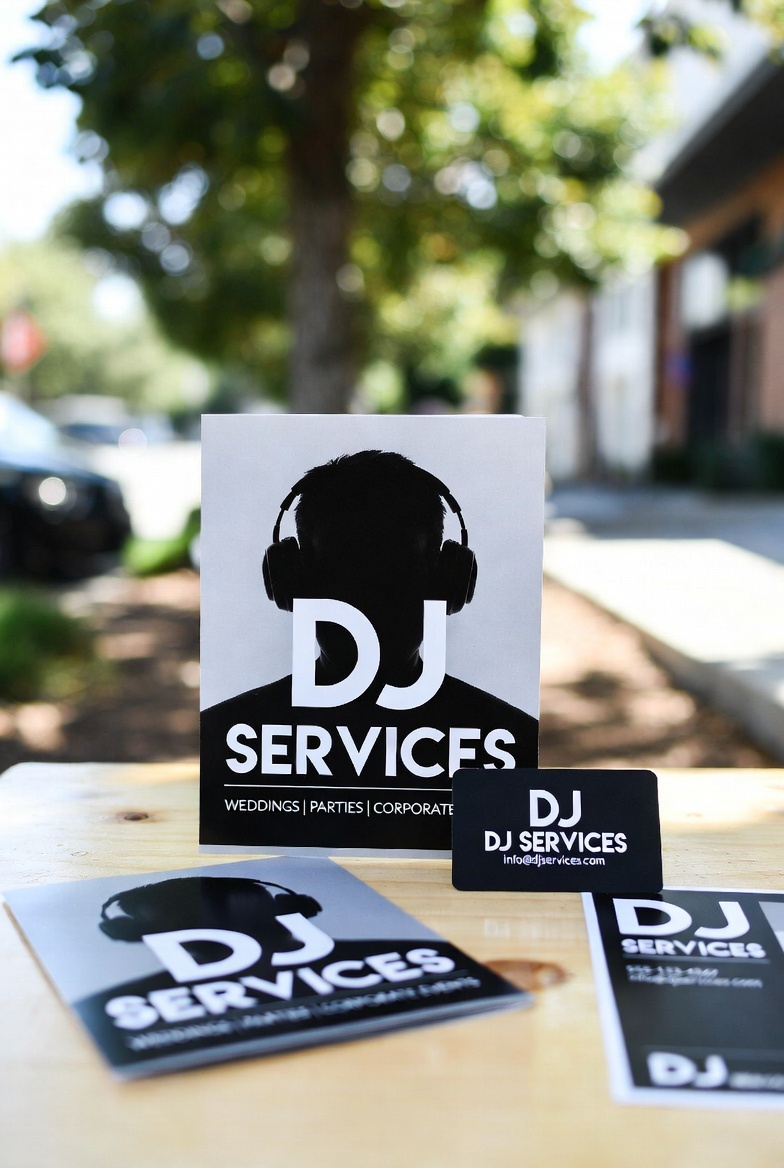
Fast facts to help you grasp core traits quickly.
Startup Cost
A basic mobile setup can start lean, but professional sound and backup gear raise the bar fast.
Read As
Cheap gear saves cash early and costs trust later.
Skill Barrier
Mixing matters, but crowd reading and event control matter more.
Read As
Playlist taste gets attention. Room control gets referrals.
Time to First Revenue
Small private events can come early. Better weddings take longer to win.
Read As
The first paid gig is easier than the tenth good one.
Repeat Potential
Individuals book rarely, but planners, venues, schools, and corporate clients can repeat.
Read As
The business compounds through networks, not just one-off parties.
Local Dependency
Most event DJs live inside a specific city, venue network, and referral circle.
Read As
Local reputation matters more than broad internet reach.
Scalability
A solo DJ can raise rates. A company grows by adding crews, gear, and systems.
Read As
The first scale jump is from performer to operator.
Competition
Entry is easy, but trusted event DJs are still harder to find.
Read As
The market is crowded at the bottom, thinner at the top.
Operational Intensity
Travel, setup, prep, soundcheck, performance, and teardown make this heavier than it looks.
Read As
A four-hour booking often takes a full day.
This section helps show where demand usually comes from and what signals are worth noticing.
Demand Type
Customer Pattern
Service Format
Grand View Research estimated the U.S. wedding services market at $64.93B in 2024 and $68.63B in 2025, showing a large event economy where DJs remain a standard vendor category. That matters because a mobile DJ business still sits inside a real paid-events market, and wedding demand continues to anchor a large share of local DJ work.
You do not need the whole market. You need a reliable local slice.
Many people think only about clubs and weddings, but corporate DJ services and the broader corporate event DJ lane can be attractive because they often reward punctuality, clean communication, and low-drama execution more than showmanship.
That lane is usually less about hype and more about trust, planning, and repeatable delivery.
The Knot's 2025 Real Weddings Study is widely cited as putting the average wedding DJ cost around $1,700, which confirms this is a real paid service, not just hobby gig work. Wedding DJ cost obviously moves by market and package, but the category is clearly established.
That number moves higher or lower by market, package, and reputation.
BLS reported a $20.59 median hourly wage for disc jockeys, except radio, in May 2024. ResearchAndMarkets also estimated the global DJ gear market at $1.1B in 2024. For anyone new to the space, what does DJ stand for in the formal sense? Disc jockey. In business terms, a working DJ is usually a live event operator.
The work is established, but income spreads widely by niche and positioning.
Before you take this idea seriously, check these real-world signals first.
Weddings and private events need pacing, announcements, transitions, and calm under pressure.
Check: A good DJ is part performer, part operator, part problem-solver. That is the gap between learning how to DJ and running a bookable DJ entertainment service.
One laptop issue or dead cable can damage trust instantly.
Check: Think spare mic, spare cables, and a real fallback audio plan. A corporate event DJ with no backup plan is still fragile, no matter how polished the playlist looks.
Wedding, nightlife, corporate, school, and cultural-event DJs are different businesses.
Check: A clear lane makes pricing and referrals much stronger. Corporate DJ services, wedding work, school events, and nightlife all reward different strengths.
Parts of this idea may look simple at first but become heavy in daily delivery.
Travel, loading, setup, and teardown eat more time than beginners expect. That is one of the first realities people miss when they ask how to be a mobile DJ.
Requests, do-not-play lists, and timeline changes matter as much as mixing skill. A corporate event DJ often lives or dies on calm client handling more than flashy transitions.
Prime bookings cluster around weekends, holidays, and peak wedding months.
What you may need to spend before this idea becomes real.
Cost Pressure
Low to Moderate
Testability
Moderate
Cost Structure
Gear + transport + software + branding + insurance + marketing
A controller, laptop, speakers, mics, and lights are enough to begin, but clients notice poor sound immediately. Anyone researching how to be a mobile DJ should assume backup gear belongs in the real setup, not just the ideal setup.
Startup-cost ranges here are partly editorial synthesis.
The unpaid work is building clips, reviews, venue trust, and a name people will actually book. The stronger DJ entertainment businesses usually grow on proof faster than on pure talent talk.
Low cash entry does not mean low effort.
Done matters more than perfect in early stage execution.
You need to stay steady when the room changes or the timeline slips. This matters just as much for a wedding DJ as for a corporate event DJ.
Reminder: Calm is part of the service.
A strong DJ reads age mix, mood, and energy instead of forcing a personal playlist. That is one of the real differences between learning how to DJ and being booked repeatedly as a mobile DJ.
Reminder: Room reading creates value.
Fast replies, clear planning, and smooth execution matter more than flashy talk. Corporate DJ services in particular depend on reliability and communication discipline.
Reminder: In events, reliability is part of performance.
Many ideas do not start at scale; they stabilize first.
Pick one believable angle first, such as weddings, school dances, nightlife, or corporate events. Corporate DJ services and wedding work usually reward more planning discipline than nightlife does.
Reminder: Clear positioning makes referrals easier.
Reviews, clips, timelines, and vendor trust matter more early than buying every add-on. This is where wedding DJ cost, premium positioning, and real proof begin to connect.
Reminder: Proof sells better than specs.
Add MC work, ceremony audio, lighting, bilingual hosting, or extra-room sound before scaling headcount. That is often how a small mobile DJ business becomes a broader DJ entertainment company.
Reminder: Raise booking value before multiplying complexity.
Where AI can assist and where human delivery still matters.
Timeline prep, playlist organization, inquiry follow-up, proposals, review requests
Crowd reading, live mixing, MC presence, event control, technical recovery
A prep and admin helper
AI can help organize client notes, song lists, timelines, and inquiry responses before the event. That is useful whether the booking is a wedding, a private party, or a corporate event DJ job.
Useful before the show, not instead of judgment.
AI can help create venue pages, wedding FAQs, package copy, and review-response drafts for local search. It can also support corporate DJ services pages and clearer event-type positioning.
That helps visibility, but referrals still carry unusual weight here.
This draft mixes direct-source facts with editorial synthesis. Wedding-market size, DJ wage data, wedding DJ pricing context, and DJ gear market figures are source-backed. Startup-cost ranges, package logic, and some operating advice are stitched from those facts plus common small event-business economics. Search intent here often overlaps with how to DJ, corporate DJ services, corporate event DJ, wedding DJ cost, how to be a mobile DJ, DJ entertainment, and what does DJ stand for. In the literal sense, DJ stands for disc jockey. In the small-business sense, it often means a live event operator trusted to control sound, pace, and room energy.
Core Sources
Grand View Research, BLS, ResearchAndMarkets, The Knot
Data Nature
Direct-source event and occupation data plus editorial synthesis for startup and operating assumptions
Supports: U.S. wedding services market estimated at $64.93B in 2024 and expected to reach $68.63B in 2025.
Key point: Grand View Research values the U.S. wedding services market at about $64.93 billion in 2024 and projects it to reach about $68.63 billion in 2025.
View source →Supports: Median hourly wage for disc jockeys, except radio was $20.59 in May 2024.
Key point: BLS says the median hourly wage for disc jockeys, except radio, was $20.59 in May 2024.
View source →Supports: Occupation category and wage context for disc jockeys, except radio.
Key point: BLS classifies disc jockeys, except radio, as a distinct occupation category, which helps anchor wage and labor context for DJ work.
View source →Supports: Global DJ gear market valued at $1.1B in 2024 and projected to reach $1.4B by 2030.
Key point: ResearchAndMarkets estimates the global DJ gear market at about $1.1 billion in 2024 and projects it to reach about $1.4 billion by 2030.
View source →Supports: The Knot 2025 Real Weddings Study is widely cited as putting average wedding DJ cost around $1,700.
Key point: The Knot says couples spent an average of about $1,689 on a wedding DJ in its 2025 Real Weddings Study, which keeps the category close to the commonly cited $1,700 benchmark.
View source →Explore nearby directions with different workload and demand shape.

A digital business built on trust, distribution, and performance-based commissions, where the real asset is not the link itself but the audience or search visibility behind it.
Explore idea →
A low-cost digital content business built on search traffic, trust, consistency, and distribution. The real blog business is not publishing posts - it is building a focused content asset that attracts the right audience and turns attention into revenue over time. Blogging for business works best when the site is treated like a real content asset, not a casual side project, and a business blog works best when it is built for a clear reader and a clear monetization path.
Explore idea →
A content business built on search intent, product discovery, and audience trust. On the surface it looks like writing and adding links. In practice it is a publishing system that turns useful buying content into tracked clicks and commissions over time.
Explore idea →You do not need to decide now. Save it, note it, and compare more ideas.