1
Startup Cost
Medium
You need usable equipment, a clean delivery environment, and enough early readiness to look trustworthy.
Read As
The equipment is manageable, but the real first-month cost usually goes beyond a single purchase.
A local pet service business built on regular care cycles, repeat demand, and customer trust.
This page helps you understand the shape of the business, not decide for you.
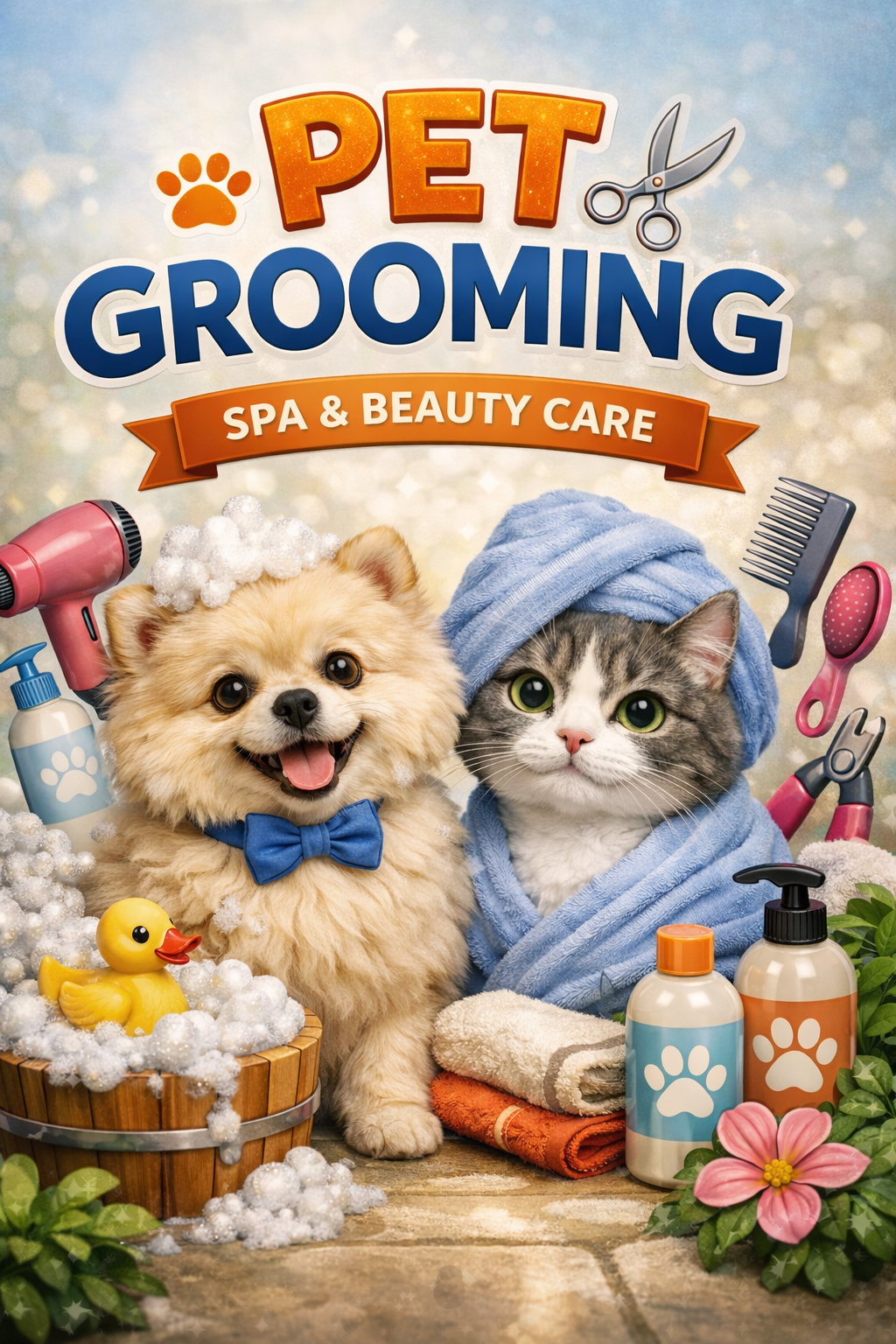
Fast facts to help you grasp core traits quickly.
Startup Cost
You need usable equipment, a clean delivery environment, and enough early readiness to look trustworthy.
Read As
The equipment is manageable, but the real first-month cost usually goes beyond a single purchase.
Skill Barrier
This is not the hardest business to understand, but quality and safety still depend on real hands-on ability.
Read As
There is a clear gap between being able to do it and being able to do it consistently in a way customers trust.
Time to First Revenue
If local demand is visible and trust is built quickly enough, landing a first paying customer does not usually take very long.
Read As
Speed comes more from local reach and credibility than from making the brand feel complete.
Repeat Potential
As long as the service feels steady and convenient, customers can easily fall into a regular return cycle.
Read As
This is one of the main sources of stability in the model.
Local Dependency
The business depends heavily on neighborhood density, travel convenience, and visible local demand.
Read As
The same service can work very well in one area and feel weak in another.
Scalability
It can grow, but usually through process, repeat demand, and selective hiring rather than instant leverage.
Read As
Scalable does not mean high-leverage from day one.
Competition
Many markets already have options, so the real difference is usually convenience, trust, and response speed.
Read As
You do not need zero competition. You need a clearer reason to be chosen.
Operational Intensity
This is a coordinated local service with physical delivery, time pressure, and customer communication overhead.
Read As
The workload is not only the grooming itself. The admin around it matters too.
This section helps show where demand usually comes from and what signals are worth noticing.
Demand Type
Customer Pattern
Service Mode
The global pet grooming services market was about USD 6.89 billion in 2024 and is expected to reach about USD 10.35 billion by 2030. That suggests pet grooming is not a one-off curiosity purchase, but an ongoing service need.
Start by checking whether people in your own area are already paying steadily for similar services, not just whether the global market is growing.
The real value in this business is not the first appointment. It is whether customers come back on a cycle. If the service is reliable and feels easy, repeat demand often matters more than one-time curiosity.
Look at grooming intervals, recurring appointments, and whether owners already pay for convenience and consistency.
Many local services do not win by being cheaper. They win by being easier to book, easier to trust, and more stable. For busy pet owners, time cost and communication friction are part of the product experience.
Watch competitor wait times, reply speed, drop-off friction, and booking experience.
TGM Research's global pet care trends indicate that about one quarter of pet owners worldwide have used professional grooming services. Customers are not only buying a grooming result; they are buying peace of mind and a trustworthy experience.
Reviews, before-and-after quality, cleanliness, and communication often reveal the strongest signals.
Before you take this idea seriously, check these real-world signals first.
Do not assume there is enough opportunity just because people care about pet grooming.
Check: Look for chaotic scheduling, weak handoffs, long waits, and inconsistent service quality.
Customers usually pay for trust, convenience, and visible results, not for the concept itself.
Check: Look at what owners already spend money on and why they switch providers or keep coming back.
An idea can sound good and still be hard to sell.
Check: Look at local communities, pet stores, vets, neighborhood groups, and repeat-customer channels.
Doing a couple of jobs is very different from maintaining appointments, delivery quality, cleaning, and communication over months.
Check: Add up energy, time, cancellations, communication load, and travel.
Parts of this idea may look simple at first but become heavy in daily delivery.
Weak results hurt trust, but safety mistakes can hurt the business much more.
Demand can look healthy while the schedule itself is still inefficient and unprofitable.
Visible quality matters, but the feeling of being handled with care often creates stronger referrals.
What you may need to spend before this idea becomes real.
Cost Pressure
Medium
Testability
Can be tested small
Cost Shape
Tools + travel + recurring supplies
Clippers, dryers, tables, cleaning supplies, and a basic environment that makes the service feel reliable all contribute to startup cost.
Do not only think about tools. Think about what makes customers feel safe, reliable, and able to book.
Supplies, transport, cleaning materials, booking tools, and replacement equipment can all shape real profit over time.
In many cases, monthly repeated costs matter more than the first upfront purchase.
Before customers feel comfortable booking, you may need sample work, cleaner presentation, clearer policies, and better communication.
Readiness is a cost too, not just equipment.
Done matters more than perfect in early stage execution.
This is not a business that survives on the idea alone. It becomes a weekly rhythm of appointments, communication, and real delivery.
Reminder: If you do not like repeated delivery, the model will feel heavier than it first appears.
Customers are paying not only for grooming results, but also for reliability, patience, and peace of mind when they hand a pet to you.
Reminder: Trust is not an extra layer. It is part of the product.
Doing a good job once is not enough. The real challenge is delivering stable quality over time without safety or quality problems.
Reminder: Consistency usually matters more than occasional standout work.
Scheduling, reminders, rebooking, lateness, and follow-up create a second layer of workload.
Reminder: The admin load does not disappear just because the delivery is local.
Many ideas do not start at scale; they stabilize first.
Early growth usually comes from becoming the dependable option for a small group of customers, not from looking big too early.
Reminder: Stable customers usually come before stable expansion.
Many service businesses become easier to sell and easier to repeat once the service boundary, return rhythm, and package logic become clearer.
Reminder: The easier a service is to understand and buy, the easier it often becomes to grow.
When quality and demand become more stable, growth usually comes through scheduling systems, clearer process, and selective extra capacity.
Reminder: More customers without better process usually means more pressure, not better growth.
Where AI can assist and where human delivery still matters.
Scheduling, reminders, intake, and admin
Handling, trust, and service quality
An efficiency layer around the business
Reminders, confirmations, intake summaries, and follow-up drafts can all move faster through simple workflows.
It can reduce admin pressure, but it does not replace real delivery.
Common questions, prep instructions, aftercare notes, and routine replies can be produced more clearly and more quickly.
Templates help consistency, but customers still judge your real responsiveness.
Simple systems can support repeat intervals, service records, task follow-up, and scheduling patterns across customers.
This kind of support becomes more valuable as the service rhythm gets busier.
This page combines public market data, industry research, and editorial judgment. Market size and growth mainly reference Grand View Research. U.S. pet ownership and total category spending mainly reference APPA. U.S. pet services revenue and industry structure mainly reference BLS. Consumer care behavior and trend signals mainly reference TGM Research.
Data sources
Public market data + industry research
Example inputs
Local pricing samples + service format observations
Judgment type
Editorial synthesis, not raw source copy
Supports: U.S. pet-owning household count and total pet-industry spending
Key point: The 2024 APPA National Pet Owners Survey shows that about 94 million U.S. households own a pet.
View source →Supports: U.S. pet service revenue, industry structure, and small-operator characteristics
Key point: U.S. pet care services revenue reached USD 10.7 billion in 2021.
View source →Supports: Global pet grooming services market size and growth trend
Key point: The global pet grooming services market was about USD 6.89 billion in 2024 and is projected to reach about USD 10.35 billion by 2030.
View source →Supports: U.S. pet grooming services market size
Key point: The U.S. pet grooming services market was about USD 2.06 billion in 2024.
View source →Supports: Pet-owner care behavior, professional grooming usage, and trend change
Key point: About one quarter of pet owners worldwide have used professional grooming services, based on research covering 34 countries and 18,000+ respondents.
View source →Explore nearby directions with different workload and demand shape.
A repeat-demand local service idea where reliability, trust, and household convenience matter more than novelty.
Explore idea →
A trust-based online service idea built on visible progress, repeat sessions, and a clear learning path.
Explore idea →
An AI-assisted service that helps law firms structure intake, triage leads, and reduce admin delays inside a repeated workflow.
Explore idea →You do not need to decide now. Save it, note it, and compare more ideas.