Garden Landscaping

A local outdoor-service business built on planting, Garden Care, softscape installation, mowing, and ongoing seasonal upkeep. The strongest version of this work usually combines visible garden improvement with repeat maintenance rather than relying only on one-off design jobs.

CreativeRepeat Demand

This page is here to help you see the structure of the business, not make the decision for you. Garden Landscaping can look calm and creative from the outside, but the real Landscaping Business is built on quoting discipline, Garden Care routines, weather pressure, and whether mowing, bush trimming, planting, and repeat upkeep can be sold profitably together.

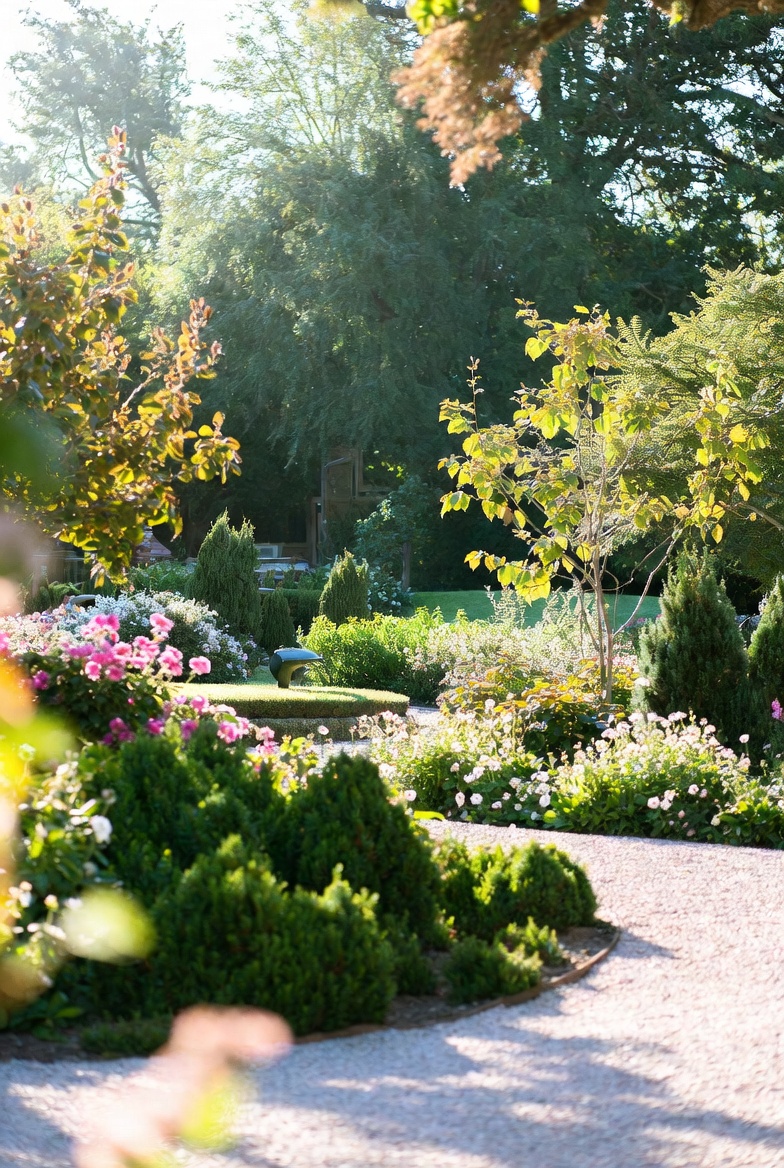
A polished residential garden exterior

Quick Business Snapshot

Fast facts to help you grasp core traits quickly.

1

Startup Cost

Low to Medium

A lean start is possible with planting, cleanup, mowing, and basic softscape tools, but costs rise once you add trucks, trailers, irrigation work, or a full crew.

Garden work is often lighter to enter than hardscape-heavy outdoor contracting.

2

Skill Barrier

Medium to High

This takes more than basic yard work. Plant knowledge, spacing, soil judgment, layout sense, and clean execution all matter.

Clients are paying for visible improvement, not just labor hours.

3

Time to First Revenue

Fast to Moderate

Small planting, bed cleanup, pruning, mowing, and seasonal refresh work can bring in early revenue, but building a dependable client base takes longer.

The first garden job is often easier than building a steady stream of good projects.

4

Repeat Potential

Medium to High

Seasonal upkeep, Garden Care, pruning, replanting, mowing, irrigation checks, and garden refresh work create repeat potential beyond one-time installs.

The strongest version of this business usually mixes project work with recurring upkeep.

5

Local Dependency

Very High

Climate, soil, water limits, plant availability, and neighborhood spending patterns make this a deeply local business.

A beautiful garden offer still depends on whether the local environment supports it.

6

Scalability

Medium

A Landscaping Business can grow through clearer service packages, better crews, nursery relationships, and repeat clients, but coordination pressure rises quickly with scale.

Growth usually comes from stronger systems, not from saying yes to every outdoor job.

7

Competition

High

Most markets already have lawn crews, gardeners, landscapers, and informal local operators competing for similar residential work.

The market is not short on providers. It is short on providers with taste, consistency, and trust.

8

Operational Intensity

High

Scheduling, weather, crew quality, plant sourcing, mowing timing, installation timing, and customer expectations all shape whether the work stays profitable.

Garden work can look gentle from the outside while still being an operations-heavy business.

Market & Demand Signals

This section helps show where demand usually comes from and what signals are worth noticing.

Demand Type

Garden improvement + planting + softscape installation + seasonal upkeep

Customer Pattern

Homeowners, HOAs, landlords, small commercial properties, and property managers

Service Format

Garden refresh + planting + pruning + bed renewal + irrigation support + seasonal maintenance

Market

This sits inside a very large Landscaping Business category, not a fringe local idea

The U.S. landscaping services industry is estimated at about $188.8 billion in 2025, with roughly 692,777 businesses. That supports real demand for a Landscaping Business, but also a market with heavy fragmentation and constant competition.

A large category helps prove demand, but local positioning and execution still decide whether clients choose you.

Garden Need

Garden Landscaping gets stronger when project work leads into Garden Care

Because the industry employs more than 1.4 million people, it is clear that outdoor property work is not a one-time niche purchase. Garden Landscaping becomes stronger when installation work leads into seasonal Garden Care, mowing, bush trimming, Leaf Removal, and refresh work.

The strongest version of this business usually blends visible transformation with repeat maintenance.

Labor

Labor still shapes the economics even when the work feels more design-led

Grounds maintenance workers had a median hourly wage of about $18.50 in May 2024, and employment is projected to grow 4% from 2024 to 2034.

This may look like a plant-and-design business from the outside, but labor quality and reliability still shape margin.

Water

Water efficiency and climate fit increasingly affect garden decisions

Residential outdoor water use in the U.S. accounts for nearly 8 billion gallons per day, mainly for landscape irrigation. WaterSense also notes that well-managed irrigation can reduce household irrigation water use by about 15%, or nearly 7,600 gallons annually. That matters because modern Garden Landscaping increasingly overlaps with outdoor living planning, efficient plant choice, and lower-waste maintenance.

In some markets, good garden landscaping now means choosing plants and layouts that hold up better under water and climate pressure.

Service Mix

The offer works best when clients can understand exactly what kind of Landscaping Business you are

Some operators lean into Garden Care and mowing. Others emphasize bush trimming, sod installation, softscape installs, or outdoor living improvements. The clearer the lane, the easier it is to answer questions like how to start a landscaping business or how do you start a landscaping business with a real service model.

A Landscaping Business with a clear service mix is easier to sell than a vague promise to do all outdoor work.

Quick Reality Check

Before you take this idea seriously, check these real-world signals first.

01

Do you want to build a garden-focused planting business, a maintenance business, or a mix of both?

Those are related, but they behave differently in pricing, scheduling, and client expectations.

A narrow service lane usually makes quoting, delivery, and positioning much easier. Garden Care, mowing, sod installation, and outdoor living work should not all be priced as if they were the same job.

02

Can you turn aesthetic ideas into practical garden outcomes?

Clients may want a beautiful result, but soil, sun exposure, drainage, irrigation, and plant choice still decide what actually works.

Taste matters, but real garden judgment matters more. A Landscaping Business becomes more defensible when it solves site problems, not just visual preferences.

03

Can you manage weather, plant timing, and crew execution at the same time?

Rain delays, heat stress, missed planting windows, and weak installation quality can all hurt the result quickly.

This is not only creative outdoor work. It is still a real Landscaping Business with route, labor, and weather pressure.

04

Can you price work accurately instead of just winning the job?

Plant losses, extra soil work, irrigation fixes, debris removal, and access difficulty can all quietly break a weak quote.

A full schedule does not automatically mean a healthy Landscaping Business. That is one of the first hard lessons behind how to start a landscaping business in a way that actually lasts.

What People Often Underestimate

Parts of this idea may look simple at first but become heavy in daily delivery.

Plant Loss

Planting jobs can lose margin through replacement and poor garden fit

The wrong plant choice, weak soil prep, transport stress, or poor irrigation setup can turn a nice-looking install into expensive rework. Sod installation can go the same way when prep and watering assumptions are weak.

Aesthetic Pressure

Clients judge the result visually long before they judge the process

Even technically sound work can disappoint if spacing, color balance, bed shape, or overall finish feels wrong to the client.

Seasonal Instability

A busy spring can hide weak annual economics

Planting seasons and garden refresh periods can bring strong cash flow, but slower months and uneven repeat work can expose fragility. A Landscaping Business often looks stronger when mowing and Garden Care smooth out the seasonality.

Startup Cost

What you may need to spend before this idea becomes real.

Cost Pressure

Low to Medium

Testability

Easy to test small

Cost Structure

Tools + truck/trailer + plants/materials + labor + fuel + maintenance + admin

Lean Start

The earliest workable Landscaping Business often begins with Garden Care and lighter install work

Bed cleanup, planting, pruning, mulching, mowing, bush trimming, and simple seasonal improvements can usually be tested with less risk than irrigation installation, hardscape work, or large design-build jobs.

A smaller service scope often makes the first stage much easier to control.

Material Cost

Early pressure often comes from plants, transport, tools, and service mix more than from office overhead

Reliable tools, transport capacity, plant sourcing, soil amendments, mowing equipment, and storage matter more early on than polished branding.

The business often feels cheap to enter until plant quality and execution start affecting client satisfaction.

Ongoing Cost

Recurring operating costs usually matter more than the first purchase

Fuel, repairs, plant replacement, labor, travel time, insurance, mowing equipment wear, and missed scheduling efficiency all keep shaping real profit.

In local service businesses, repeated small costs often determine whether growth is actually healthy.

What This Idea Really Asks of You

Done matters more than perfect in early stage execution.

Garden Landscaping can become a strong local business, but it asks you to manage planting judgment, visible quality, labor consistency, and seasonal economics rather than simply work outdoors well. The stronger Landscaping Business is usually part Garden Care operator, part estimator, and part scheduling system.
1

You need to accept that this is a visible-results business

Clients usually judge the work through what they can immediately see: balance, neatness, plant health, mowing lines, and whether the garden feels more attractive after you leave.

In garden work, visual trust is part of the product.

2

You need to build repeatability before chasing larger design promises

Big transformation projects are attractive, but a stronger foundation often comes from smaller garden jobs, Garden Care contracts, mowing rounds, and repeat clients that build local proof and supplier relationships.

Reliable smaller wins usually matter more than one impressive concept.

3

You need to treat plant choice and site fit as core business judgment

Sun, drainage, climate, irrigation, maintenance level, and whether the client wants low-maintenance Garden Care or showier design all shape whether a garden still looks good after installation.

A pretty plan that fails in the real site conditions is still bad business.

4

You need to price for reality, not just for customer approval

Replacement plants, extra soil work, difficult access, irrigation issues, cleanup time, and underpriced mowing or Leaf Removal can all break a weak quote.

A cheap quote can win the job and still lose the business money.

How This Idea Usually Grows

Many ideas do not start at scale; they stabilize first.

1

Move from one-off garden jobs to repeat clients and seasonal upkeep

Early growth usually comes from turning isolated planting and refresh jobs into seasonal maintenance, pruning, Garden Care, mowing, and garden maintenance relationships.

Reminder: Repeat clients usually make the business steadier than scattered one-off installs.

2

Move from broad promises to clearer garden service packages

Seasonal refresh plans, planting packages, pruning work, bush trimming, sod installation, irrigation add-ons, and bed-renewal offers make the business easier to sell and operate than vague custom promises for everything.

Reminder: The easier a service is to understand and buy, the easier it usually is to deliver consistently.

3

Move from founder hustle to crews, supplier systems, and operating discipline

Once demand becomes steadier, growth usually comes from stronger plant sourcing, clearer SOPs, crew accountability, better quality control, and a cleaner split between Garden Care work and broader Landscaping Business installs.

Reminder: More jobs without better systems usually creates stress, not scale.

AI / Automation Angle

Where AI can assist and where human delivery still matters.

Can Be Assisted

Quotes, planting lists, scheduling, follow-up, and simple marketing content

Still Needs Human

Plant judgment, on-site decisions, installation quality, client trust, and crew execution

Overall Role

An efficiency layer around local service operations

Admin

AI can reduce repetitive quoting and client communication work

Estimate drafts, planting suggestions, Garden Care explanations, service descriptions, and seasonal follow-up messages can be created faster through reusable templates.

It saves admin time, but it does not replace real field execution.

Planning

AI can help organize garden notes and planting options more clearly

Property notes, sun and shade observations, recurring tasks, mowing schedules, and draft plant lists can be summarized more clearly and reused over time.

It helps structure decisions, but final plant choice still needs real site judgment.

Marketing

Local visibility can be maintained more consistently

Before-and-after captions, neighborhood updates, website copy, and seasonal garden posts can be produced faster without building a full marketing team. That is useful when the Landscaping Business depends on homeowners finding a clear local service mix.

Consistency helps, but the business still grows mainly through trust and visible local proof.

Sources & Verification

This page combines public industry data, labor-market context, water-use context, and editorial judgment. U.S. landscaping industry size and business count mainly draw from IBISWorld; industry employment context draws from NALP; wage and job-growth context mainly draw from the BLS; outdoor water-use and irrigation-efficiency framing mainly draw from EPA WaterSense. Search intent around this category often overlaps with Garden Care, mowing, Garden Landscaping, Landscaping Business, garden maintenance, bush trimming, Leaf Removal, outdoor living, sod installation, and questions such as how to start a landscaping business or how do you start a landscaping business.

Data Sources

Public market data + labor and water-use sources

Case Inputs

Garden-installation patterns + seasonal maintenance observations

Nature of Judgment

Editorial synthesis, not a single-source quotation

industry size

IBISWorld

Supports: U.S. landscaping services industry size and business count

Key point: The U.S. landscaping services industry is about $188.8 billion in 2025, with around 692,777 businesses.

View source →
industry context

National Association of Landscape Professionals

Supports: Industry employment scale

Key point: The industry employs more than 1.4 million people.

View source →
wage context

BLS Occupational Outlook Handbook

Supports: Wage and outlook context for grounds maintenance workers

Key point: Grounds maintenance workers had a median hourly wage of about $18.50 in May 2024, and employment is projected to grow 4% from 2024 to 2034.

View source →
water use context

EPA WaterSense

Supports: Outdoor residential water-use relevance to garden and landscape services

Key point: Residential outdoor water use in the U.S. accounts for nearly 8 billion gallons per day, mainly for landscape irrigation.

View source →
irrigation efficiency

EPA WaterSense

Supports: Value of efficient irrigation management

Key point: If a household irrigation system is well managed, water use can be reduced by 15%, or nearly 7,600 gallons annually.

View source →
The parts of this page covering U.S. industry size, business count, employment scale, wage context, job-growth outlook, and outdoor water-use context are grounded in public sources. The parts covering plant-loss risk, aesthetic pressure, seasonality risk, repeat-client logic, service-boundary choices, and growth structure are editorial conclusions built from those sources rather than direct single-source claims. In practice, a Landscaping Business gets stronger when it clearly decides how much of the offer is Garden Care, mowing, or install-driven project work.
This business is highly local. To judge whether it is worth doing, you still need to look at your local property density, climate, neighborhood income, water restrictions, nursery access, and whether you want to stay in Garden Care work or move into a broader Landscaping Business with more installation and outdoor living scope.

Keep exploring at your own pace

You do not need to decide now. Save it, note it, and compare more ideas.

Explore more ideas

Share this idea