Guest House Business

A guest house business is a small accommodation business built on location, clean operations, guest trust, and the ability to turn a property into a stay people feel good recommending. It can look like a lighter vacation rental business from the outside, but the real work sits in occupancy, turnover, reviews, pricing, and whether the property delivers a smoother stay than other guest houses nearby.

Local ServiceLocal ServiceTrust-BasedRepeat DemandHousehold

This page is here to help you understand how a guest house business actually works, not sell the easy-income version of it. A guest house may look like simple lodging from the outside, but the real accommodation business is built on occupancy, compliance, turnover speed, review pressure, and whether guests choose you over nearby vacation rental business options and other guest houses.

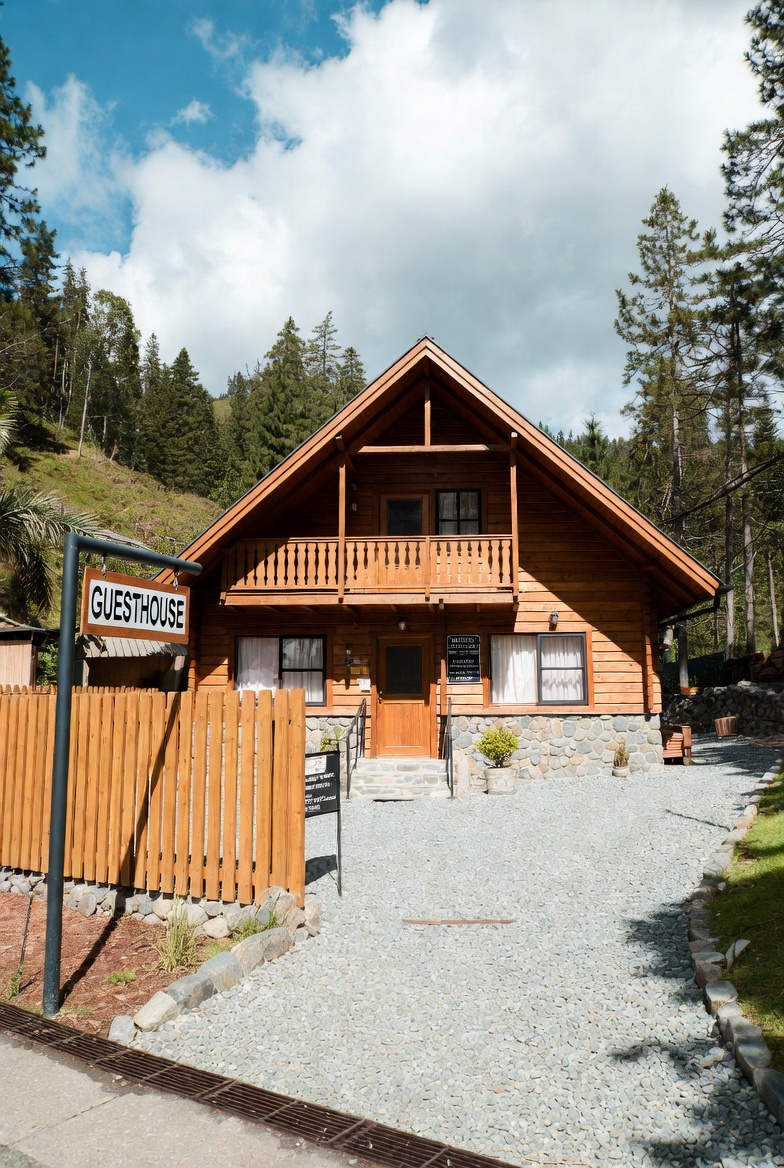
A clean, well-styled guesthouse room with fresh linens, natural light, and simple local touches prepared for a new arrival

Quick Business Snapshot

Fast facts to help you grasp core traits quickly.

1

Startup Cost

Medium to Very High

If you already control the property, startup can stay in the furnishing-and-compliance range. If you need to buy or lease the property, the real capital requirement rises quickly.

The property decision usually matters more than the décor budget.

2

Skill Barrier

Medium to High

This is not just about owning a nice place. You need hospitality judgment, pricing discipline, cleaning standards, and steady guest communication.

Guests pay for smoothness, not just square footage.

3

Time to First Revenue

Moderate

A listing can get its first booking fairly quickly, but stable performance usually takes longer because reviews, pricing, and operations need time to settle.

The first booking is easier than building a dependable calendar.

4

Repeat Potential

Medium

Some guests do return, but this is usually more of a review-and-referral business than a classic repeat-customer business.

Reputation compounds faster than loyalty.

5

Local Dependency

Very High

Location quality, seasonality, local rules, and nearby demand shape the business more than most beginners expect.

A weak location is hard to out-operate.

6

Scalability

Medium

It can grow into multiple units or a small management model, but every added property multiplies cleaning, maintenance, and guest-support complexity.

More units help only if the systems are already clean.

7

Competition

High

You compete with other short-term rentals, boutique inns, hotels, and better-reviewed listings in the same search results.

Visibility and trust decide a lot of the fight.

8

Operational Intensity

High

Cleaning turnover, restocking, repairs, messaging, pricing, and review management create more real work than the outside view suggests.

It only looks passive from far away.

Market & Demand Signals

This section helps show where demand usually comes from and what signals are worth noticing.

Demand Type

Short-stay lodging + guest houses + vacation rental business demand

Customer Pattern

Leisure travelers, couples, families, weekend visitors, and guests wanting more personality or space than a standard hotel room

Service Format

Guest house stays + self-check-in lodging + platform bookings + direct repeat and referral bookings

Market

This is already a real accommodation business category, not a fringe side idea

The U.S. vacation rental market was about $17.47 billion in 2023, about $18.58 billion in 2024, and is projected to reach about $22.11 billion by 2030. That confirms real demand for a guest house business, but it also confirms that you are entering a very visible accommodation business where comparison is constant.

The demand exists. The harder question is whether your guest house can win bookings in its exact market.

Format

Home-style accommodation still holds a large share of traveler demand

Grand View Research says home accommodation accounted for 47.1% of the U.S. vacation rental market in 2023. That matters because many guest houses win on privacy, extra space, local charm, and a calmer experience than a standard room.

A guest house business works best when it offers something a standard hotel room does not.

Occupancy

Demand is real, but empty nights are built into the model

AirDNA says U.S. short-term rental occupancy in 2025 landed at 56.9%. That is enough to show a live market for guest houses, but it also means this lodging business cannot be evaluated as if every night will be sold.

A guest house business is a booking business, not a guaranteed-rent business.

Peak Season

Strong months can make a weak annual model look better than it is

AirDNA's June 2025 U.S. review showed occupancy at 63.2%, with ADR up 6.8% year over year. Strong months help explain why a guest house business can look exciting at first, but the real accommodation business has to survive the full calendar.

Peak weekends can hide weak annual math.

Supply Pressure

More listings keep the vacation rental business highly competitive

AirDNA's 2026 outlook says U.S. short-term rental occupancy is expected to ease by about 1% in 2026 while available listings are projected to grow by about 4.6%. That means generic guest houses get exposed faster as supply keeps rising.

A generic listing gets punished faster in a crowded lodging business.

Small Property Lane

Small hosted lodging is still a real small-business lane

IBISWorld puts the U.S. Bed & Breakfast & Hostel Accommodations industry at about $3.1 billion in 2026, with 4,345 businesses. That supports the idea that a guest house business can work beyond the large hotel model, but it still sits inside a competitive hospitality environment.

A small property can work, but it still competes inside a very visible lodging business.
Quick Reality Check

Before you take this idea seriously, check these real-world signals first.

01

Are you actually building a hospitality business, not just listing a room?

A nice-looking unit is not the same thing as a smooth guest experience.

Fast replies, clean turnovers, and calm issue handling are part of the product. That is true for all guest houses, not only for larger hospitality brands.

02

Do you understand your exact local rules before you spend money?

Permits, taxes, zoning, building rules, HOA rules, and occupancy limits can change whether the model is workable at all.

A guest house business should be checked as a real accommodation business before setup, not after the listing is already live.

03

Can the property survive average occupancy, not just holiday weekends?

A few strong months can make the business look healthier than it really is.

Run the math on slow months, not only the best months. That is one of the clearest separations between a workable guest house business and a weak vacation rental business idea.

04

Do you actually want to handle guest problems as part of the job?

Lock issues, damages, late arrivals, noise complaints, and bad reviews are part of the real work.

If you dislike hospitality problem-solving, this lodging business gets stressful quickly no matter how attractive the property looks.

What People Often Underestimate

Parts of this idea may look simple at first but become heavy in daily delivery.

Turnover Load

The real work often lives between checkout and the next check-in

Cleaning, laundry, inspection, restocking, and small fixes decide whether the guest house business feels smooth or exhausting.

Vacancy Risk

A good nightly rate does not help much when too many nights stay empty

Occupancy, seasonality, and competitive pricing usually matter more than beginners expect in a guest house business.

Review Pressure

A few weak stays can affect bookings faster than many owners expect

Guest houses rise or fall on small details because reviews compound quickly inside any lodging business where trust drives conversion.

Startup Cost

What you may need to spend before this idea becomes real.

Cost Pressure

Medium to Very High

Testability

Possible to test small if you already control the property

Cost Structure

Property + furnishing + permits + insurance + utilities + cleaning + vacancy

Setup Layer

The operating setup is often lighter than the property decision itself

AirDNA's startup-cost guide says first-rental startup costs typically range from about $5,000 to $50,000, influenced by furnishings, setup, and location. That is useful for the operating layer, but it does not include the full weight of buying the property for a guest house business.

The property is usually the real capital decision. Setup is the second layer.

One Unit First

The smallest workable version is usually one strong property, not a portfolio mindset

One well-positioned unit teaches pricing, guest handling, and turnover discipline faster than scaling too early into multiple listings. That is often the healthiest way to understand whether your guest house business is actually working.

One unit run cleanly usually teaches more than several run messily.

Operating Float

The repeating costs matter more than most first-time hosts expect

Cleaning, laundry, repairs, consumables, utilities, and empty nights keep pressing on margin long after the listing goes live. This accommodation business usually breaks from weak occupancy and sloppy operations, not from furniture alone.

The real pressure often comes from steady operating drift, not one dramatic startup bill.

What This Idea Really Asks of You

Done matters more than perfect in early stage execution.

A guest house business can become a solid small hospitality business, but it asks you to care about operations, responsiveness, local fit, and reputation more than the easy-income story people often attach to guest houses and vacation rental business models.
1

You need to accept that this is a hospitality business first

The room matters, but the real product is the stay and how reliably it is delivered. That is what separates a strong guest house business from a weak listing.

Guests remember friction faster than décor.

2

You need to think in occupancy and net income, not just nightly rate

A high posted rate looks good, but the business really lives in filled nights, turnover costs, and operating consistency.

Revenue looks impressive faster than profit does.

3

You need to choose whether you want one good property or a repeatable operating model

Those are related, but not the same. One is lifestyle-shaped. The other becomes a systems business more like a small accommodation business operator.

The clearer your version is, the easier good decisions become.

4

You need to treat compliance as part of the model, not as cleanup paperwork

Permits, taxes, registration, insurance, and local restrictions shape the whole guest house business, not just the admin layer.

A legally shaky lodging business is not a durable business.

How This Idea Usually Grows

Many ideas do not start at scale; they stabilize first.

1

Move from first bookings to steady reviews and cleaner turnover

Early progress usually comes from making guest experience, cleaning, and pricing reliable enough that the guest house business stops feeling fragile.

Reminder: The first win is not one booking. It is a property that keeps converting.

2

Move from generic listing quality to a clearer market position

A stronger design angle, better photos, sharper guest fit, or more memorable amenities help the property compete more clearly against other guest houses and broader vacation rental business listings.

Reminder: The easier the property is to remember, the easier it is to book.

3

Move from owner hustle to stronger systems

As the business matures, growth usually comes from better pricing, cleaner turnover processes, maintenance routines, direct-booking habits, and only then additional units or management contracts.

Reminder: More units without better systems usually creates stress, not scale.

AI / Automation Angle

Where AI can assist and where human delivery still matters.

Can Be Assisted

Guest messaging, pricing support, listing copy, guidebooks, and workflow reminders

Still Needs Human

Hospitality judgment, property standards, local problem-solving, and trust

Overall Role

An efficiency layer around the business

Admin

AI can reduce repetitive guest communication

Check-in instructions, checkout reminders, local recommendations, and common-question replies can be handled more consistently. That is useful in a guest house business where every message affects the perceived smoothness of the stay.

It saves admin time, but it does not replace hospitality.

Listing

AI can help improve presentation and booking conversion

Listing descriptions, amenity highlights, and local-area guides can be drafted faster and refreshed more often. That matters because clarity affects conversion in every accommodation business and vacation rental business listing.

Clearer presentation helps, but it does not fix a weak property or weak operations.

Operations

AI can help keep the operation more organized

Cleaning checklists, restock prompts, maintenance logs, and review summaries can be kept cleaner as booking volume rises. The more the guest house business starts to behave like a real lodging business, the more useful that support layer becomes.

The more this becomes a real operating business, the more valuable structured support becomes.

Sources & Verification

This page combines current U.S. vacation rental market data, recent short-term-rental occupancy and pricing context, adjacent small-lodging industry data, labor context, and public compliance guidance. Because a guest house business sits between vacation rental business models and small hosted lodging, the page also uses editorial judgment to connect the broader numbers to a practical small-business version of the idea.

Data Sources

Market data + STR operating data + labor data + compliance and tax guidance

Case Inputs

Guest houses + vacation rental business patterns + small hosted lodging context

Nature of Judgment

Mix of sourced data and editorial synthesis

us vacation rental market

Grand View Research

Supports: U.S. vacation rental business market size and growth

Key point: The U.S. vacation rental market was estimated at $17.47 billion in 2023, was expected to reach $18.58 billion in 2024, and is projected to reach $22.11 billion by 2030.

View source →
format mix

Grand View Research

Supports: demand for home-style accommodation and guest houses

Key point: Home accommodation accounted for 47.1% of the U.S. vacation rental market in 2023.

View source →
occupancy context

AirDNA

Supports: recent U.S. short-term rental occupancy

Key point: U.S. short-term rental occupancy in 2025 landed at 56.9%, showing a live market but also clear vacancy risk.

View source →
peak season context

AirDNA

Supports: recent U.S. summer performance

Key point: In June 2025, U.S. short-term rental occupancy was 63.2%, while ADR was up 6.8% year over year.

View source →
2026 supply pressure

AirDNA / PR Newswire

Supports: near-term competition outlook

Key point: AirDNA's 2026 outlook said U.S. short-term rental occupancy was expected to ease by about 1% in 2026 while available listings were projected to grow by about 4.6%.

View source →
adjacent small lodging market

IBISWorld

Supports: the existence of a real small hosted lodging lane

Key point: The U.S. Bed & Breakfast & Hostel Accommodations industry is about $3.1 billion in 2026 with 4,345 businesses.

View source →
The parts of this page covering market size, occupancy, ADR, supply growth, and adjacent small-lodging scale are grounded in public sources. The parts covering review pressure, turnover intensity, guest-house positioning, and whether this behaves like a workable accommodation business in practice are editorial synthesis built from those sources and operating logic.
A guest house business can work, but it should not be judged like a passive property asset. The useful questions are whether the local booking base is strong enough, whether your guest house stands out among nearby guest houses, and whether the actual lodging business works after turnover load, compliance, and vacancy risk are included.

Keep exploring at your own pace

You do not need to decide now. Save it, note it, and compare more ideas.

Explore more ideas

Share this idea