1
Startup Cost
Low to Medium
You can start with basic tools and a vehicle, but costs rise once insurance, sprayers, ladders, and helpers enter the picture.
Read As
A solo interior painter starts lighter than a crew doing larger exteriors.
A House Painting business is a local Residential Painting service built on prep work, visible finish quality, and homeowner trust. The strongest version usually separates interior painting, exterior painting, and higher-risk repair-heavy jobs instead of treating every wall and surface like the same offer.
This page helps you see how a House Painting business actually works. The real model is not just paint on surfaces. It is prep, quoting, visible finish quality, and choosing whether your Residential Painting business focuses on interior painting, exterior painting, or both.
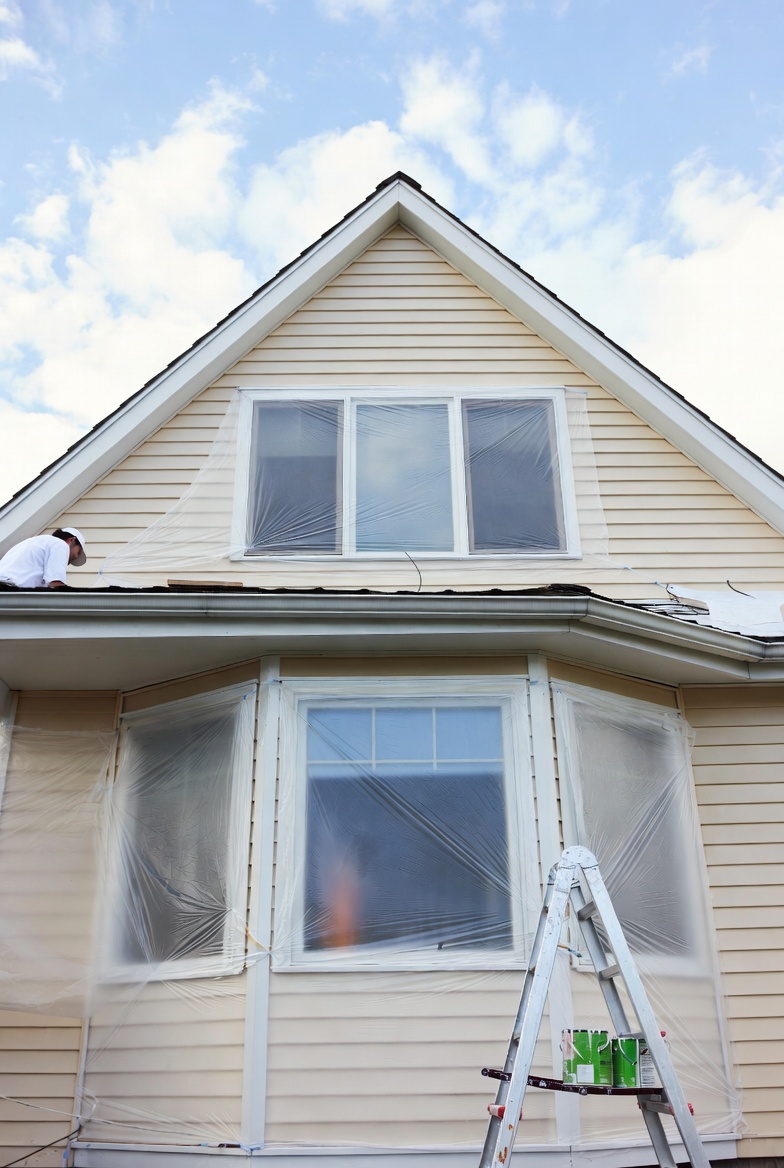
Fast facts to help you grasp core traits quickly.
Startup Cost
You can start with basic tools and a vehicle, but costs rise once insurance, sprayers, ladders, and helpers enter the picture.
Read As
A solo interior painter starts lighter than a crew doing larger exteriors.
Skill Barrier
Painting is not just color on a wall. The real work is prep, edges, coverage, and cleanup.
Read As
Customers notice finish quality fast.
Time to First Revenue
A small room, repaint, or rental-turnover job can bring in money quickly if you quote clearly and look reliable.
Read As
The first job is easier than building a steady referral flow.
Repeat Potential
Homeowners do not repaint often, but landlords, agents, and property managers can create more repeat work.
Read As
This business usually grows more through referrals and adjacent jobs than frequent repeats from one house.
Local Dependency
Travel time, weather, neighborhood density, and local trust make this a strongly local business.
Read As
This is a route-and-reputation business.
Scalability
It can grow through crews, clearer service lanes, and better estimating, but quality control gets harder as volume rises.
Read As
Painting scales through systems and supervision, not just more ladders.
Competition
Most markets already have solo painters, small crews, handymen, and established contractors chasing similar work.
Read As
Homeowners still keep searching for someone who looks reliable.
Operational Intensity
Prep, masking, moving furniture, weather delays, cleanup, and callbacks create more friction than outsiders expect.
Read As
The visible painting hours are only part of the job.
This section helps show where demand usually comes from and what signals are worth noticing.
Demand Type
Customer Pattern
Service Format
The U.S. House Painting & Decorating Contractors industry is about $28.2 billion in 2025. That matters because House Painting is not a novelty offer. It is a stable service people already pay for, whether they are hiring house painters for interior painting, Exterior House Painting, or full residential refresh work.
The real question is not whether demand exists. It is whether your House Painting business can win enough trust locally.
IBISWorld lists about 223,209 businesses in this industry in 2025, and the space is highly fragmented. That makes entry possible, but it also means clients already have many options among house painters, small crews, and local painting contractor firms.
Fragmented markets are accessible, but they usually force a Residential Painting business to compete on reliability, speed, and presentation.
NAHB says the typical age of an owner-occupied U.S. home reached 41 years in 2023, and remodeling is expected to grow again in 2026. Older housing stock naturally supports repainting, patching, Interior House Painting, and Exterior House Painting demand.
Aging homes do not guarantee easy money, but they do keep House Painting relevant.
Residential Painting jobs often land in the low-thousands rather than the hundreds, which shows buyers are paying for labor, prep, and visible finish quality, not just paint. Interior painting and exterior painting often price very differently once prep, access, and weather exposure are counted honestly.
The ticket size can look attractive, but the labor hours behind it decide whether the House Painting job was good business.
Painters, construction and maintenance had a median annual wage of about $48,660 in May 2024. That helps anchor the labor reality behind the business and reinforces that a House Painting business is judged like a real trade, not light handyman work.
The work can start small, but customers still judge it like a professional trade.
EPA requires lead-safe certified firms for renovation, repair, and painting work that disturbs lead-based paint in homes, child care facilities, and preschools built before 1978. That means some painting work comes with real regulatory responsibility.
In residential painting, older homes create risk as well as opportunity.
Before you take this idea seriously, check these real-world signals first.
Homeowners notice paint first, but job quality usually depends on cleaning, sanding, patching, masking, and edge discipline.
Check: A weak prep process can quietly destroy your margin through callbacks and bad reviews in both interior painting and exterior painting.
Interior painting, exterior painting, cabinet work, decks, wallpaper removal, and older-home lead-safe work do not behave like the same business.
Check: A narrower starting lane usually makes quoting, tools, and marketing easier for a House Painting business.
Painting looks simple until you count ladders, repetitive motion, heat, dust, cleanup, and long prep days.
Check: If you dislike physical repetition and finish-detail pressure, this Residential Painting business may wear on you faster than expected.
Many customers cannot judge paint quality in advance, so they buy based on responsiveness, quote clarity, and confidence.
Check: Presentation and communication affect conversion almost as much as trade skill when homeowners are choosing among house painters.
Parts of this idea may look simple at first but become heavy in daily delivery.
Patching, sanding, masking, caulking, scraping, priming, and moving things around can consume more time than beginners expect in any House Painting job.
Drips, missed spots, cut-in errors, overspray, poor coverage, and color misunderstandings can wipe out the profit from a job.
Rain, wind, direct sun, ladders, rooflines, shrubbery, and surface condition all affect labor time and scheduling on exterior painting jobs.
What you may need to spend before this idea becomes real.
Cost Pressure
Low to Medium
Testability
Easy to test small
Cost Structure
Tools + ladders + vehicle + materials + insurance + labor
A solo painter can test demand with smaller rooms, rentals, and repaint jobs before taking on larger exteriors or heavier specialty work. That is often the cleanest path into a House Painting business.
A smaller service lane often teaches pricing faster than trying to look big from day one.
Underquoting prep, losing time on masking and repairs, buying the wrong amount of material, and revisiting jobs all keep hurting the economics after startup.
In House Painting, wasted time is often more dangerous than paint cost.
You also need estimating discipline, job sequencing, cleanup standards, surface knowledge, and a clear answer for what happens when an older home raises lead-safe questions. A serious painting contractor needs that structure before trying to scale.
The smoother the job looks to the client, the more structure is usually hidden underneath.
Done matters more than perfect in early stage execution.
People may not understand every trade detail, but they know when a room looks sharp, sloppy, careful, or rushed.
Reminder: In this business, visible details carry a lot of weight.
If prep time, protection time, and cleanup time are not priced properly, more jobs can simply create more stress.
Reminder: A badly quoted House Painting job often becomes a lesson in unpaid labor.
Homeowners want to know what is included, what happens with repairs, what the timeline is, and what the space will look like when you leave.
Reminder: A lot of trust is won before the first coat goes on.
Those are related, but not the same. One depends more on your own hands. The other depends more on systems, sales, and supervision.
Reminder: The stronger version of the business depends on knowing which version of the House Painting business you are really building.
Many ideas do not start at scale; they stabilize first.
Early growth usually comes from finishing small jobs well enough that landlords, agents, neighbors, and past clients start sending work your way.
Reminder: Good referrals often matter more than broad advertising at the beginning of a House Painting business.
Defined service lanes for Interior Painting, Exterior Painting, rentals, move-out repaints, and trim work make the business easier to price, sell, and run.
Reminder: The easier the job is to understand, the easier it usually is to run profitably.
Once demand is steadier, growth usually comes from standardized prep checklists, tighter estimating, crew training, and stronger job supervision.
Reminder: More House Painting jobs without better systems usually creates rework, not scale.
Where AI can assist and where human delivery still matters.
Quotes, follow-up, scheduling, checklists, and customer communication
Surface judgment, prep, cutting-in, finish quality, and on-site execution
An efficiency layer around the business
Estimate drafts, service descriptions, prep notes, follow-up messages, and simple job summaries can be produced faster with templates and automation.
It reduces desk time, but it does not replace field judgment.
Scope explanations, change-order notes, prep instructions, and project updates can be handled more clearly and with less rewriting.
That matters because House Painting customers often buy confidence before they buy the job.
Material lists, crew checklists, room-by-room notes, and post-job review logs can be standardized more cleanly across Residential Painting jobs.
The busier the schedule gets, the more useful this support layer becomes.
This page combines public industry-size data, wage and employment data, residential painting price benchmarks, housing-stock demand context, and EPA lead-safe compliance rules for older properties. Because House Painting is a very local service business, the page also uses editorial judgment to connect the broader market data to a practical small-business version of the idea.
Data Sources
Public market data + labor data + housing and pricing benchmarks
Case Inputs
Residential Painting jobs + local contractor operations + older-home compliance context
Nature of Judgment
Editorial synthesis, not a single-source quotation
Supports: U.S. house painting contractor market size and structure
Key point: The U.S. House Painting & Decorating Contractors industry is about $28.2 billion in 2025, with about 223,209 businesses in 2025, and the industry is highly fragmented.
View source →Supports: Wage and employment context for painting work
Key point: Painters, construction and maintenance had a median annual wage of about $48,660 in May 2024, with employment projected to grow 4% from 2024 to 2034 and about 28,100 openings per year on average.
View source →Supports: Lead-safe certification requirements for older homes
Key point: Painting work that disturbs lead-based paint in homes, child care facilities, and preschools built before 1978 must be done by lead-safe certified firms, and EPA firm certification costs $300.
View source →Supports: Demand context from older owner-occupied housing stock and remodeling activity
Key point: The typical age of an owner-occupied U.S. home reached 41 years in 2023, and NAHB expects residential remodeling growth to continue in 2026.
View source →Supports: Residential painting cost expectations
Key point: Angi says the average painting project costs about $2,500, with a broad range from about $350 to $8,000.
View source →Explore nearby directions with different workload and demand shape.

A trust-based professional service business built on recurring client relationships, technical accuracy, and deadline-driven financial work.
Explore idea →
Auto repair is one of the most dependable local service businesses because the demand is not optional. Cars age, parts wear out, warning lights show up at inconvenient times, and most owners would rather pay someone they trust than guess wrong. The good version of an auto repair business is not just a shop that fixes cars. It is an auto repair shop that diagnoses accurately, explains clearly, and becomes the place customers stop shopping around on.
Explore idea →
This business usually looks simpler than it is. On one side, it is a fleet business built on utilization, maintenance, storage, downtime control, and bike rental business software that keeps bookings and fleet status from turning messy. On the other, it is a tour and local-experience business built on route quality, safety, trust, and local discovery.
Explore idea →You do not need to decide now. Save it, note it, and compare more ideas.