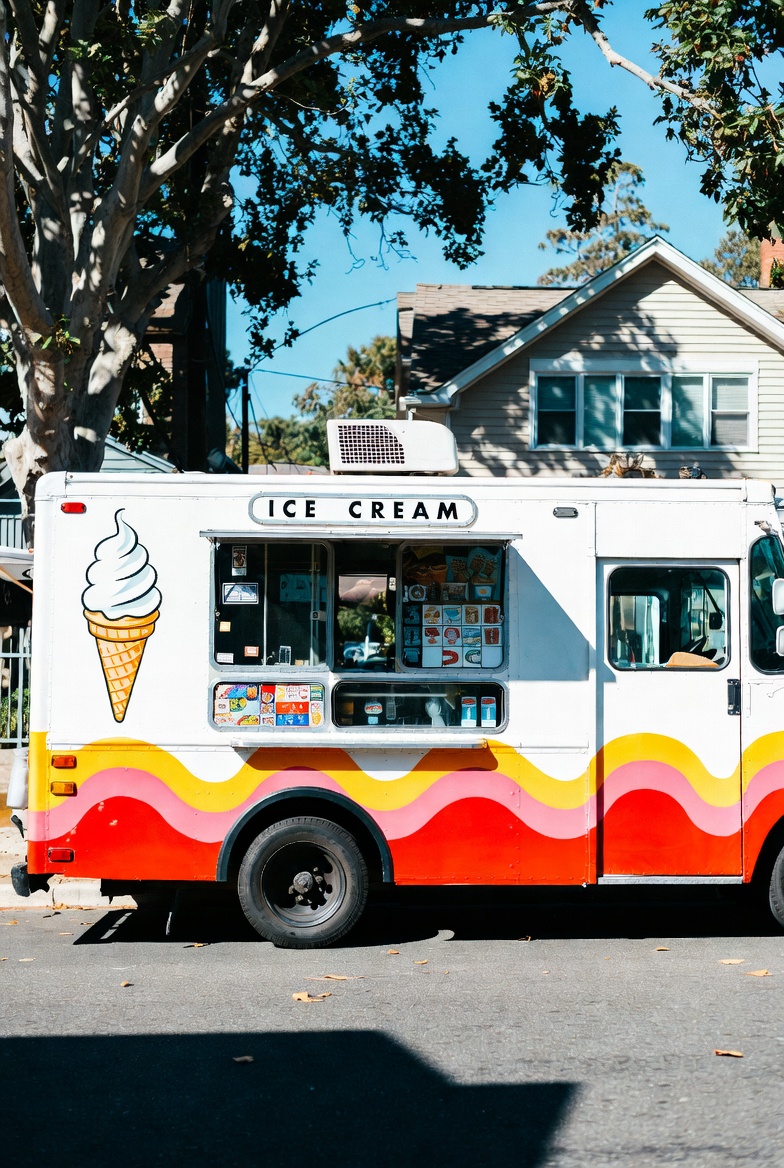
You can start with one used truck, a limited menu, and simple routes, but vehicle cost, freezer equipment, permits, insurance, and repairs add up quickly.
Read As
A used truck lowers entry cost, but breakdown risk matters more than beginners expect.
You do not need advanced culinary skill, but you do need route judgment, safe food handling, basic maintenance awareness, and good customer interaction.
Read As
This is less about cooking and more about timing, consistency, and neighborhood fit.
3Time to First Revenue
Fast to Moderate
A truck can generate sales quickly once it is licensed and stocked, especially in warm weather, but the setup phase can take time because permits and local rules vary.
Read As
The truck can sell fast. Getting legally ready is often the slower part.
4Repeat Potential
Medium to High
Routes, parks, schools, sports fields, and community events can create repeat demand, especially when customers begin to expect your schedule.
Read As
Repeat business usually comes from route consistency, not customer loyalty alone.
5Local Dependency
Very High
This business depends heavily on local weather, neighborhood density, event access, parking rules, and vending restrictions.
Read As
A good truck in the wrong territory is still a weak business.
It can grow through more trucks, stronger routes, event bookings, or branded products, but each added vehicle brings staffing and maintenance complexity.
Read As
Growth usually comes truck by truck, not all at once.
7Competition
Medium to High
You compete not only with other ice cream trucks, but also convenience stores, dessert shops, supermarkets, and event vendors.
Read As
Your strongest advantage is convenience plus novelty in the moment.
8Operational Intensity
High
Inventory control, freezer reliability, fuel, route planning, local compliance, and vehicle downtime all affect daily profitability.
Read As
This looks simple from the outside, but the truck itself becomes a moving operating system.