Massage Therapy Services

A massage services business is built on trust, bodywork skill, and repeat wellness demand, but shaped heavily by licensing, client retention, and physical delivery capacity. The strongest operators usually become a trusted massage therapist in one clear lane such as therapeutic massage, mobile massage, or a focused referral-driven local practice.

Local ServiceLocal ServiceTrust-BasedRepeat Demand

This page is here to help you see how a massage services business works in practice, not make the decision for you.

Massage Therapy Services

Quick Business Snapshot

Fast facts to help you grasp core traits quickly.

1

Startup Cost

Low to Medium

A solo practice can start with a treatment room, table, linens, booking tools, and liability coverage, but costs rise if you add premium studio space, employees, or spa-style buildout.

The barrier is usually licensing, credibility, and client trust more than equipment.

2

Skill Barrier

High

This is not just about knowing massage techniques. You need body mechanics, client communication, intake judgment, boundaries, and the ability to deliver consistent care safely.

Clients are paying for relief, trust, and professionalism, not just time on the table.

3

Time to First Revenue

Moderate

A first paying client can come fairly quickly through local search, referrals, or wellness partnerships, but building a dependable repeat-booking calendar usually takes longer.

The first session is easier than a full schedule built on retention.

4

Repeat Potential

High

Pain management, stress relief, recovery support, and wellness routines can create strong repeat demand when the experience feels effective and trustworthy.

The strongest version of this business is built on rebooking, not constant first-time acquisition.

5

Local Dependency

High

This can be built through a local studio, mobile service, or shared wellness space, but most demand still depends heavily on local reputation and convenience.

Geography matters less than landscaping, but much more than a remote digital service.

6

Scalability

Low to Medium

A solo massage practice is heavily tied to the therapist's time and body, though growth can come through memberships, add-on services, or a multi-therapist studio model.

This scales more through systems and team structure than through simply working longer.

7

Competition

High

You compete with independent therapists, franchise clinics, spas, wellness centers, chiropractic settings, and therapists offering similar modalities nearby.

The market is not short on massage. It is short on therapists people trust enough to rebook.

8

Operational Intensity

Medium to High

The business looks calm from the client side, but scheduling, documentation, physical strain, no-shows, and client retention still create real operating pressure.

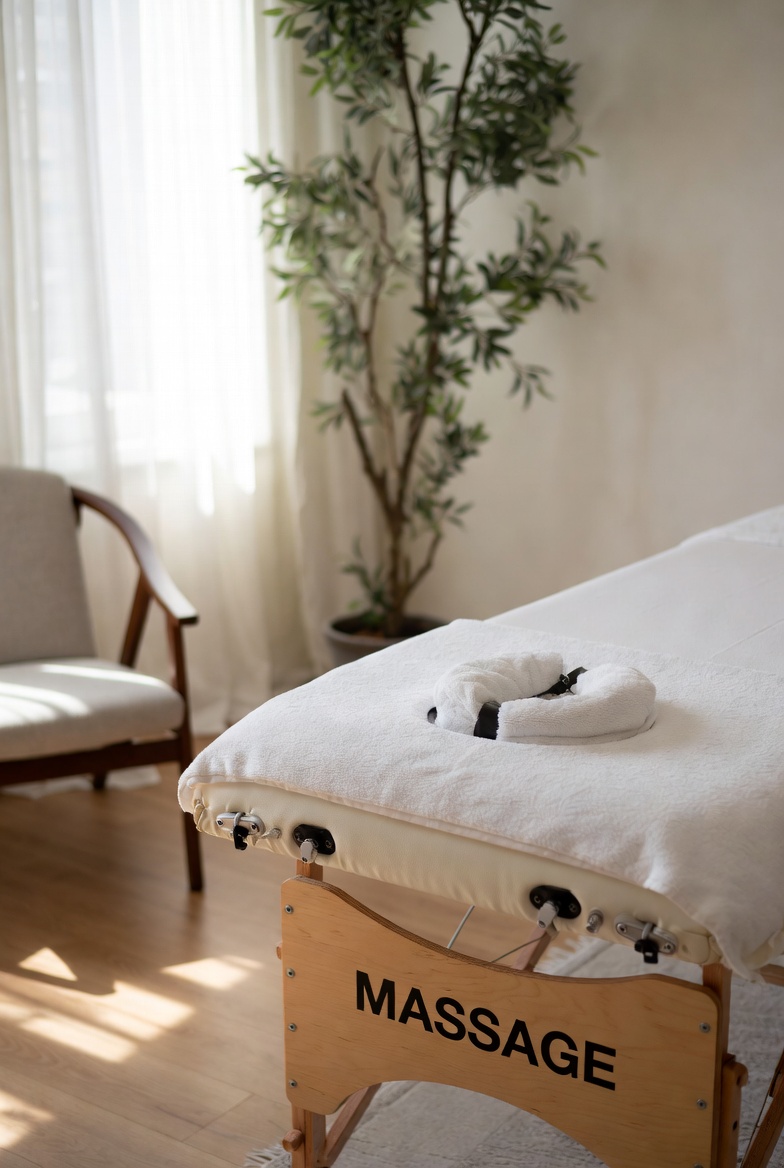
A peaceful treatment room can hide a demanding one-person service business.
Market & Demand Signals

This section helps show where demand usually comes from and what signals are worth noticing.

Demand Type

Pain relief + stress reduction + wellness maintenance + recovery support

Customer Pattern

Wellness clients, pain-relief seekers, athletes, office workers, stressed professionals, and recurring self-care customers

Service Format

Studio sessions + wellness memberships + mobile massage + spa or clinic-based treatment

Market

This is a real service category with meaningful consumer demand

Massage services operate as an established national service category, and both labor data and consumer research support the idea that massage remains a meaningful wellness and bodywork business rather than a fringe service. For a massage therapist, that matters because the category is real even if the individual local practice still has to earn trust one client at a time.

The category is real, but local differentiation and retention still decide whether a solo practice works.

Consumer Use

A large share of massage demand now comes from health and wellness reasons, not only indulgence

AMTA says 79% of surveyed consumers reported that the primary reason for their last massage in the 12 months ending June 2025 was health or wellness or stress-related. That supports the idea that massage services are often bought as practical care, not only as a luxury treat.

The stronger your therapeutic massage or wellness service feels tied to a real outcome, the easier it usually is to keep clients.

Career Demand

The occupation itself continues to show growth and viable earnings

The BLS says massage therapists had a median annual wage of about $57,950 in May 2024 and projects 15% employment growth from 2024 to 2034, much faster than average. That supports continued service demand, even if business ownership success still depends on client acquisition and retention.

Profession-level demand helps, but a thriving practice still requires business skill.

Licensing

This is a regulated personal-service profession in most places, not a casual bodywork hustle

FSMTB says regulated states and territories set licensure requirements for massage therapy practitioners, and the MBLEx exists as a nationally recognized entry-level exam used by many state regulators. That means the category carries real gatekeeping and public-safety expectations.

Licensing raises trust, but it also raises the seriousness of entering the business.

Quick Reality Check

Before you take this idea seriously, check these real-world signals first.

01

Are you building a therapeutic massage practice, a wellness relaxation service, or a spa-style experience?

Those can overlap, but they behave differently in positioning, client expectations, pricing, and referrals.

A narrower lane usually makes marketing, retention, and referrals much easier. Therapeutic massage, prenatal massage, and general relaxation sessions should not all be explained as if they are the same offer.

02

Do you understand the licensing and local compliance requirements before trying to market the service?

Massage therapy is regulated in most states and often intersects with local business, health, and zoning requirements.

Confirm your state and local licensing rules, business setup requirements, and whether your location type is actually permitted. That matters even more if you want to know how to start a mobile massage therapy business instead of working from a fixed room.

03

Can you deliver physically sustainable work over time?

This business depends on your hands, posture, stamina, and boundaries. Burnout and overbooking can quietly damage both your body and your service quality.

A full calendar is not automatically a sustainable calendar.

04

Can you retain clients instead of endlessly replacing them?

Massage often looks attractive because first sessions seem easy to sell, but the real business is usually built through rebooking and trust.

The practice becomes much healthier when clients return on a schedule rather than treating you as a one-time appointment.

What People Often Underestimate

Parts of this idea may look simple at first but become heavy in daily delivery.

Physical Load

A calming service can still be physically demanding for the provider

Body mechanics, repetitive strain, and client volume can turn a full schedule into a long-term sustainability problem.

Retention Pressure

The business is often won through rebooking, not through the first massage itself

A technically good session can still produce weak business results if the client experience, communication, and follow-up are inconsistent. Massage services usually become durable when clients rebook the massage therapist, not when they simply say the first visit was nice.

Licensing Weight

This is a more regulated field than many personal service founders first assume

State requirements, exam pathways, and local compliance can shape how quickly and confidently the business can launch.

Startup Cost

What you may need to spend before this idea becomes real.

Cost Pressure

Low to Medium

Testability

Possible to test small

Cost Structure

Licensing + table and room setup + linens + insurance + booking + rent

Lean Start

The earliest workable version usually starts with a simple private practice, not a full spa concept

A treatment room, a narrow service list, and direct local booking are usually easier to validate than trying to launch a high-overhead wellness studio immediately. For some operators, mobile massage can also be a viable early test if travel density and regulation make sense.

A smaller service model often makes the first stage much easier to control.

Credential Cost

One of the real startup costs is legitimacy, not furniture

Education, exam requirements, licensing, liability insurance, intake forms, and professional systems often matter more than décor if you want a durable practice. This is one reason massage services sit closer to regulated personal care services than to casual freelance wellness work.

In massage therapy, credibility is part of the operating base.

Ongoing Cost

Recurring costs often come from rent, no-shows, and physical wear rather than glamorous expenses

Linens, laundry, room rent, booking systems, payment processing, continuing education, and time lost to schedule gaps all shape real profitability.

A calm, simple service can still become financially fragile if utilization is weak.

What This Idea Really Asks of You

Done matters more than perfect in early stage execution.

Massage therapy services can become a strong trust-based local business, but they ask you to combine skill, physical sustainability, and client retention rather than simply learn a technique and start booking people.
1

You need to accept that this is a trust business as much as a bodywork business

Clients are often sharing pain, stress, vulnerability, and physical discomfort. That means professionalism and emotional steadiness matter almost as much as technique.

In this business, trust is not a bonus feature. It is part of the treatment.

2

You need to build retention before chasing high session volume

A busy week can look promising, but a healthier practice is usually built on regular rebooking and dependable client relationships.

Repeat clients usually matter more than occasional bursts of bookings.

3

You need to create a clear reason for someone to choose you specifically

Relaxation massage, recovery-focused work, prenatal massage, pain-relief positioning, and wellness memberships all create different business logic. A massage therapist who stays vague usually has a harder time earning referrals.

A sharper lane usually makes trust and referrals much easier.

4

You need to treat your own body and schedule as business assets

If your calendar, body mechanics, or boundaries break down, the whole business can weaken quickly.

Your delivery capacity is part of the business model itself.

How This Idea Usually Grows

Many ideas do not start at scale; they stabilize first.

1

Move from first sessions to repeat client routines

Early growth usually comes from proving that clients return on a regular schedule rather than constantly replacing them with first-time bookings.

Reminder: Stable rebooking usually comes before healthy scale.

2

Move from broad massage claims to clearer positioning

The strongest practices usually become known for something: stress relief, pain-focused work, prenatal massage, athletes, office workers, or a specific style of therapeutic massage.

Reminder: Clarity usually makes referrals and pricing easier.

3

Move from solo calendar management to systems and selective leverage

As demand grows, the next layer usually comes from stronger booking systems, memberships, referral channels, and eventually a multi-therapist or studio model if growth still makes sense.

Reminder: More sessions without better systems usually create exhaustion, not scale.

AI / Automation Angle

Where AI can assist and where human delivery still matters.

Can Be Assisted

Intake summaries, follow-up messages, membership reminders, and light admin

Still Needs Human

Touch, clinical judgment within scope, boundaries, client safety, and the live treatment experience

Overall Role

An efficiency layer around practice operations and communication

Admin

AI can reduce repetitive communication and client-support work

Appointment reminders, aftercare notes, intake summaries, and simple rebooking or membership messages can be drafted faster through structured templates. That is especially useful when massage services start adding memberships, prenatal massage workflows, or mobile massage scheduling details.

It saves admin time, but it does not replace real therapeutic presence.

Operations

AI can help organize recurring client and schedule information

Session notes, client preference summaries, retention patterns, and schedule-gap observations can be structured more clearly over time.

The more repeatable the practice becomes, the more useful this support gets.

Marketing

AI can help keep service explanations and niche messaging more consistent

Website copy, service descriptions, wellness education content, and referral-facing explanations can be created faster for a solo therapist or small studio.

Consistency helps, but trust still depends on the real treatment experience.

Sources & Verification

This page combines public industry data, occupational outlook data, licensure and examination guidance, consumer-usage research, and editorial judgment. U.S. massage-services industry context mainly draws from IBISWorld; wage and growth outlook mainly draw from the U.S. Bureau of Labor Statistics; licensure and exam framework mainly draw from FSMTB; consumer reasons for using massage mainly draw from AMTA. Because local regulations and practice models vary significantly, this page combines national demand signals with professional and regulatory context rather than treating massage services as a simple retail category.

Data Sources

Industry data + labor outlook + licensure and consumer-use sources

Case Inputs

Private-practice patterns + wellness-service operating observations

Nature of Judgment

Editorial synthesis, not a single-source quotation

industry context

IBISWorld

Supports: U.S. massage services as a real national service category

Key point: IBISWorld maintains dedicated U.S. industry coverage for Massage Services, with current market-size and industry-analysis reporting.

View source →
wage and growth

BLS Occupational Outlook Handbook

Supports: Current wage context and projected occupational growth for massage therapists

Key point: Massage therapists had a median annual wage of about $57,950 in May 2024, and employment is projected to grow 15% from 2024 to 2034.

View source →
consumer demand

AMTA Consumer Views & Use of Massage Therapy

Supports: Why consumers currently use massage therapy

Key point: AMTA says 79% of surveyed consumers reported that the primary reason for their last massage in the 12 months ending June 2025 was health or wellness or stress-related.

View source →
licensure context

FSMTB Regulated States

Supports: State-by-state regulation reality for massage therapy practice

Key point: FSMTB lists regulated states and territories and notes that massage therapy requirements vary by jurisdiction, with local ordinances sometimes also applying.

View source →
exam context

FSMTB MBLEx

Supports: Role of the MBLEx as a recognized entry-level licensing exam

Key point: FSMTB says the MBLEx provides consistent and nationally recognized entry-level standards used by state regulators to evaluate safe and competent practice.

View source →
The parts of this page covering occupational growth, wage context, consumer reasons for using massage, licensure variation, and exam framework are grounded in public sources. The parts covering retention logic, physical sustainability, practice positioning, session-capacity constraints, how to start a mobile massage therapy business, and growth structure are editorial conclusions built from how massage therapy businesses operate rather than from a single formal industry report.
Massage therapy can become a strong local business, but it is not a casual bodywork side hustle in most places. To judge whether it is worth doing, you still need to look at your local licensing rules, room-rent reality, physical sustainability, niche positioning, and whether you can turn first-time clients into repeat clients who trust your work. Mobile massage can work, but only when travel density, boundaries, and scheduling stay practical.

Keep exploring at your own pace

You do not need to decide now. Save it, note it, and compare more ideas.

Explore more ideas

Share this idea