Organic Food Sales

Organic Food Sales is a specialty food retail business built on sourcing trust, repeat grocery demand, and health-driven buying through an Organic Food Store, curated shop, or delivery model.

Local ServiceLocal ServiceTrust-BasedRepeat Demand

This page helps you see the real structure of Organic Food Sales, from trust and certification to perishability, repeat baskets, and whether an Organic Food Store or delivery format makes more sense.

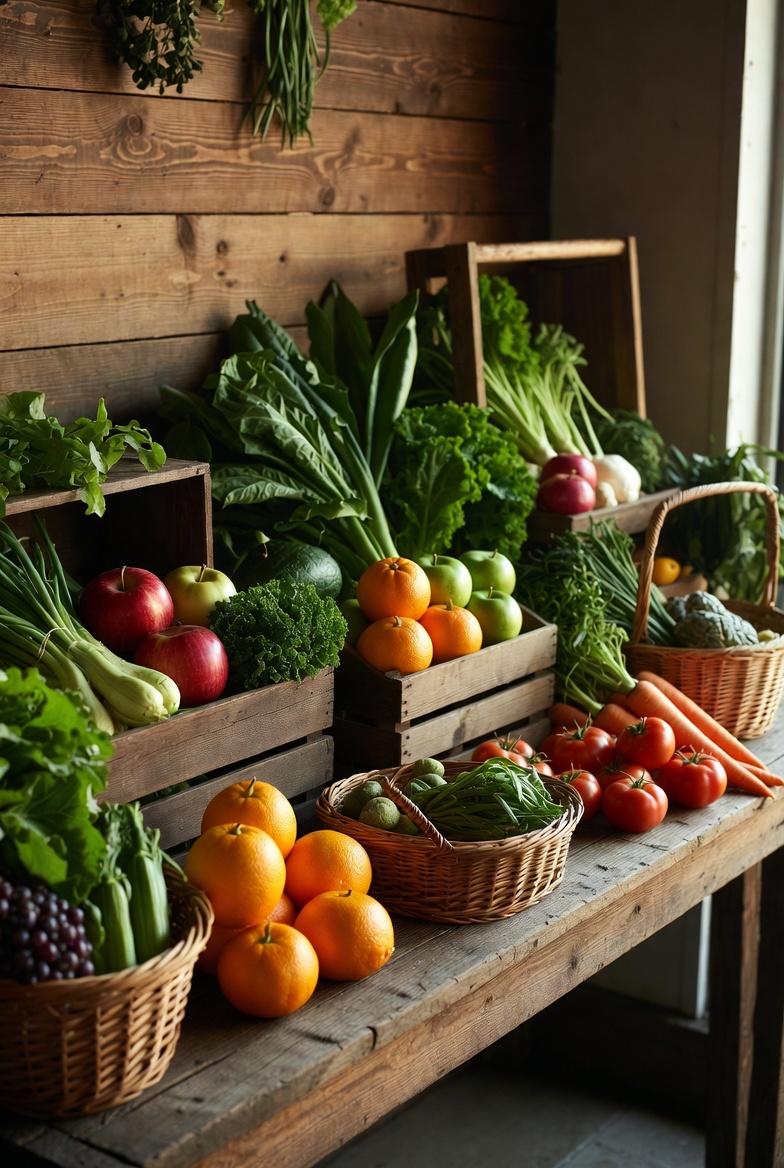
A bright specialty food store with organic produce, packaged goods

Quick Business Snapshot

Fast facts to help you grasp core traits quickly.

1

Startup Cost

Medium

A small start is possible through a niche shop, market stall, curated online store, or even a narrow organic meal delivery model, but refrigeration, broader inventory, and working capital raise the real cost quickly.

It is lighter than a full grocery store, but heavier than it first looks once perishables enter the picture.

2

Skill Barrier

Medium to High

You need sourcing judgment, inventory control, category understanding, and enough regulatory awareness to avoid weak or misleading organic claims.

Customers are not only buying food. They are buying trust in what the label means.

3

Time to First Revenue

Moderate

A first sale can happen quickly through a shop, market, ecommerce store, or niche organic meal delivery offer, but stable repeat demand usually takes longer to build.

The first customer is easier than building a store people return to every week.

4

Repeat Potential

High

Food is a recurring purchase category, so repeat potential is strong when quality, price tolerance, and trust stay strong.

The healthiest version of the business is built on repeat baskets, not one-time curiosity.

5

Local Dependency

Medium to High

A physical store depends heavily on neighborhood income, health-oriented demand, and foot traffic, even if online selling reduces some of that pressure.

This is more flexible than a local-only service, but still sensitive to customer mix.

6

Scalability

Medium

It can grow through subscriptions, niche categories, ecommerce, organic produce delivery, or additional locations, but each step increases sourcing, freshness, and handling pressure.

Growth usually creates more inventory and trust risk before it creates stability.

7

Competition

High

You compete with supermarkets, specialty grocers, farmers markets, and online retailers that already carry organic lines.

The market is not short on organic products. It is short on stores that feel truly trustworthy.

8

Operational Intensity

High

Freshness, sourcing, label discipline, spoilage, and customer education make this more demanding than a simple healthy-food concept suggests.

A clean shelf presentation can hide a very active supply and handling system.
Market & Demand Signals

This section helps show where demand usually comes from and what signals are worth noticing.

Demand Type

Health-driven buying + trust in certification + premium grocery purchasing

Customer Pattern

Health-conscious households, younger consumers, families, and premium grocery shoppers

Service Format

Specialty retail + produce and packaged foods + online ordering + niche category curation

Market

This is a real and growing category, not a fringe premium niche

U.S. sales of certified organic products reached about $76.6 billion in 2025, which shows that Organic Food Sales remains a meaningful consumer market rather than a small lifestyle segment.

The category is real, but a growing market does not automatically make a small Organic Food Store easy to run.

Momentum

Organic has recently been growing faster than the broader marketplace

Recent OTA reporting shows organic sales growth outpacing the broader marketplace, which supports the idea that Organic Food Sales still has real momentum. That also reinforces organic food market demand, even if the best small-format model is not always a full store.

Demand is healthy, but customers are still selective about where they buy and what premium they will tolerate.

Customer Profile

Younger and health-conscious consumers remain an important support base

OTA's consumer survey points to Millennials and Gen Z as especially committed organic consumers, which supports a younger and health-oriented demand profile. That is useful if you are deciding between a classic Organic Food Store, a smaller delivery model, or a curated online organic-food concept.

The customer base exists, but you still need a store concept that fits how those shoppers actually buy.

Certification

This is a trust category shaped by real standards, not just marketing language

USDA says organic is a label tied to national standards, and organic labels must be reviewed and approved by a USDA-accredited certifying agent before they are used in the marketplace. That means Organic Food Sales is partly a retail business and partly a trust-and-compliance business.

The label helps the sale, but it also raises the need for sourcing and labeling discipline.

Quick Reality Check

Before you take this idea seriously, check these real-world signals first.

01

Are you opening a general Organic Food Store, or building around a narrower category and customer?

Organic produce, pantry foods, local goods, and family-focused staples may sound related, but they do not behave like the same business.

A narrower lane usually makes sourcing, pricing, and customer trust easier to build. That can matter even more in an Organic Produce Delivery Business or organic meal delivery format.

02

Do you understand what you can and cannot represent as organic?

This is not a category where loose wording is harmless. Customers are buying into a regulated claim.

You need to know when products are certified, how they can be labeled, and when handling or repackaging changes the compliance picture.

03

Can you manage perishability and price sensitivity at the same time?

Organic shoppers often care about freshness and quality, but many still compare prices across stores.

A premium basket only helps if the store can control waste and maintain turnover.

04

Can you create enough trust and convenience to compete with bigger stores that already sell organic lines?

Large retailers have organic shelf space too, often with stronger buying power and broader convenience.

A smaller store usually needs stronger curation, service, or category clarity to matter.

What People Often Underestimate

Parts of this idea may look simple at first but become heavy in daily delivery.

Trust Burden

Organic is a stronger selling point, but it also creates stronger expectations

Customers are more likely to notice sourcing gaps, unclear labeling, or credibility problems when the whole Organic Food Sales concept is built around trust.

Inventory Fragility

Fresh and premium food categories can punish weak turnover quickly

Spoilage, cold-chain issues, and overbuying can quietly turn a healthy-looking store into a margin problem.

Premium Competition

Health-driven customers do not automatically become loyal customers

They may compare price, product origin, and convenience across grocers, farmers markets, and online channels.

Startup Cost

What you may need to spend before this idea becomes real.

Cost Pressure

Medium

Testability

Possible to test small

Cost Structure

Inventory + refrigeration and fixtures + sourcing + packaging + staff + working capital

Lean Start

The lightest workable version usually begins with a narrower retail model

A focused produce stand, pantry-led concept, subscription box, farmers-market presence, or small specialty shop is usually easier to test than a broad organic grocery concept. In some markets, an organic meal delivery or Organic Produce Delivery Business format may test demand faster than a full Organic Food Store.

A narrower format usually makes early sourcing and inventory discipline easier.

Credibility Cost

One of the real startup costs is not only inventory, but trust infrastructure

Certified suppliers, documentation, label discipline, product handling, and clear merchandising all affect whether the store feels credible enough to support premium pricing.

In organic retail, legitimacy is part of the product.

Ongoing Cost

Recurring pressure usually comes from freshness, shrink, and sourcing

Spoilage, refrigeration, turnover, vendor reliability, and slow-moving premium inventory often shape profit more than the initial store design does. That is true in both Organic Food Sales retail and organic meal delivery models.

A healthy-looking store can still be financially fragile if turnover is weak.

What This Idea Really Asks of You

Done matters more than perfect in early stage execution.

Organic Food Sales can become a strong specialty retail business, but it asks you to combine sourcing trust, inventory discipline, and customer education rather than simply stock healthier products.
1

You need to accept that this is a trust business as much as a food business

Customers are often paying more because they believe the product standard means something specific and worth trusting.

In organic retail, trust is not decoration. It is part of the sale.

2

You need to build repeat basket behavior before chasing expansion

A few curious first-time customers are not enough. The healthier version of the business is built when people make your store part of their regular routine.

Habitual buying usually matters more than first-store excitement.

3

You need to create something stronger than just 'we sell organic'

Bigger retailers can say that too. A smaller business usually needs better curation, sourcing clarity, service, or community fit.

A trust category still needs a clear reason to choose you.

4

You need to treat handling and labeling discipline as part of brand quality

The more the store handles unpackaged goods, repackaging, or private-label products, the more operational precision matters.

A strong organic concept can still fail through weak handling discipline.

How This Idea Usually Grows

Many ideas do not start at scale; they stabilize first.

1

Move from first buyers to repeat basket behavior

Early growth usually comes from proving that customers come back regularly for a trusted set of products, not from trying to look like a full organic supermarket immediately.

Reminder: Repeat baskets usually come before healthy scale.

2

Move from broad healthy-food ambition to clearer category strength

The strongest organic retailers usually become known for something: produce, pantry staples, local sourcing, family-focused products, or a tightly edited premium assortment. That can also mean choosing Organic Produce Delivery Business or organic meal delivery as the sharper operating model.

Reminder: Clarity usually beats trying to carry everything.

3

Move from founder-driven sourcing to systems and compliance discipline

As the business grows, the next layer usually comes from stronger supplier standards, inventory planning, handling rules, and clearer store operations around freshness and claims.

Reminder: More products without better systems usually create shrink and confusion, not growth.

AI / Automation Angle

Where AI can assist and where human delivery still matters.

Can Be Assisted

Product descriptions, sourcing notes, customer education, seasonal planning, and basic inventory analysis

Still Needs Human

Supplier judgment, freshness decisions, compliance awareness, merchandising, and customer trust

Overall Role

An efficiency layer around specialty food retail operations

Admin

AI can reduce repetitive product and education work

Product descriptions, shelf messaging, category explainers, newsletter drafts, and vendor-comparison notes can be prepared faster through structured templates.

It saves time, but it does not replace sourcing or compliance judgment.

Operations

AI can help organize inventory and supplier information

Turnover notes, spoilage patterns, reorder summaries, and supplier documentation checklists can be reviewed more consistently over time. That matters whether you run a small Organic Food Store or a delivery-first Organic Food Sales model.

That helps visibility, but the final discipline still has to come from the business.

Marketing

AI can help keep trust messaging and category education more consistent

Website copy, customer FAQs, label explanations, and seasonal campaign content can be produced faster for a small retail team.

Consistency helps, but the store still depends on whether customers believe and value the quality behind the claim.

Sources & Verification

This page combines organic-market data, USDA labeling and certification guidance, labor-market context, and editorial judgment. U.S. organic market size and growth mainly draw from the Organic Trade Association; organic labeling and certification rules mainly draw from USDA AMS; retail wage context mainly draws from the U.S. Bureau of Labor Statistics. There is limited public data for 'Organic Food Sales' as a standalone store-format industry, so this page combines category-level organic market data with specialty-retail operating context.

Data Sources

Organic market data + USDA rules + labor context

Case Inputs

Specialty food retail patterns + sourcing and freshness observations

Nature of Judgment

Editorial synthesis, not a single-source quotation

market size 2025

Organic Trade Association

Supports: Current U.S. organic market size and growth

Key point: U.S. sales of certified organic products reached about $76.6 billion in 2025, up 6.8% year over year.

View source →
market size 2024

Organic Trade Association

Supports: Recent U.S. organic sales growth momentum

Key point: U.S. organic sales reached about $71.6 billion in 2024, up 5.2%, with growth faster than the broader marketplace.

View source →
consumer profile

Organic Trade Association

Supports: Younger-consumer demand signal for organic products

Key point: OTA's 2025 survey said Millennials and Gen Z were the most committed organic consumers.

View source →
organic basics

USDA Agricultural Marketing Service

Supports: Meaning of the organic label and the role of USDA standards

Key point: USDA says organic is a label indicating that a food or agricultural product was produced according to USDA organic standards.

View source →
labeling rules

USDA Agricultural Marketing Service

Supports: Organic labeling requirements and label review expectations

Key point: USDA says organic product labels must be reviewed and approved by a USDA-accredited certifying agent before being used in the marketplace.

View source →
certification scope

USDA Agricultural Marketing Service

Supports: When retail operations may be exempt and when handling can change certification expectations

Key point: USDA guidance says retail food establishments generally do not need certification, but handling and processing details matter.

View source →
retail wage context

BLS Occupational Outlook Handbook

Supports: Wage context relevant to store staffing

Key point: Retail salespersons had a median hourly wage of about $16.62 in May 2024.

View source →
The parts of this page covering U.S. organic market size, recent growth, younger-consumer demand, organic-label standards, labeling rules, certification scope, and retail wage context are grounded in public sources. The parts covering premium-competition pressure, shrink risk, category strategy, repeat-basket logic, and growth structure are editorial conclusions built from those sources rather than direct single-source claims.
Organic food sales can become a real specialty retail business, but it is rarely as simple as just stocking cleaner products. To judge whether it is worth doing, you still need to look at your customer mix, pricing tolerance, product turnover, supplier credibility, handling practices, and whether your store gives people a reason to choose it over a larger retailer with organic shelf space.

Keep exploring at your own pace

You do not need to decide now. Save it, note it, and compare more ideas.

Explore more ideas

Share this idea