1
Startup Cost
Low
A basic ironing service can start with quality irons, boards, garment racks, packaging supplies, and a simple pickup-and-delivery setup.
Read As
This is usually much lighter to start than a full dry-cleaning or laundry operation.
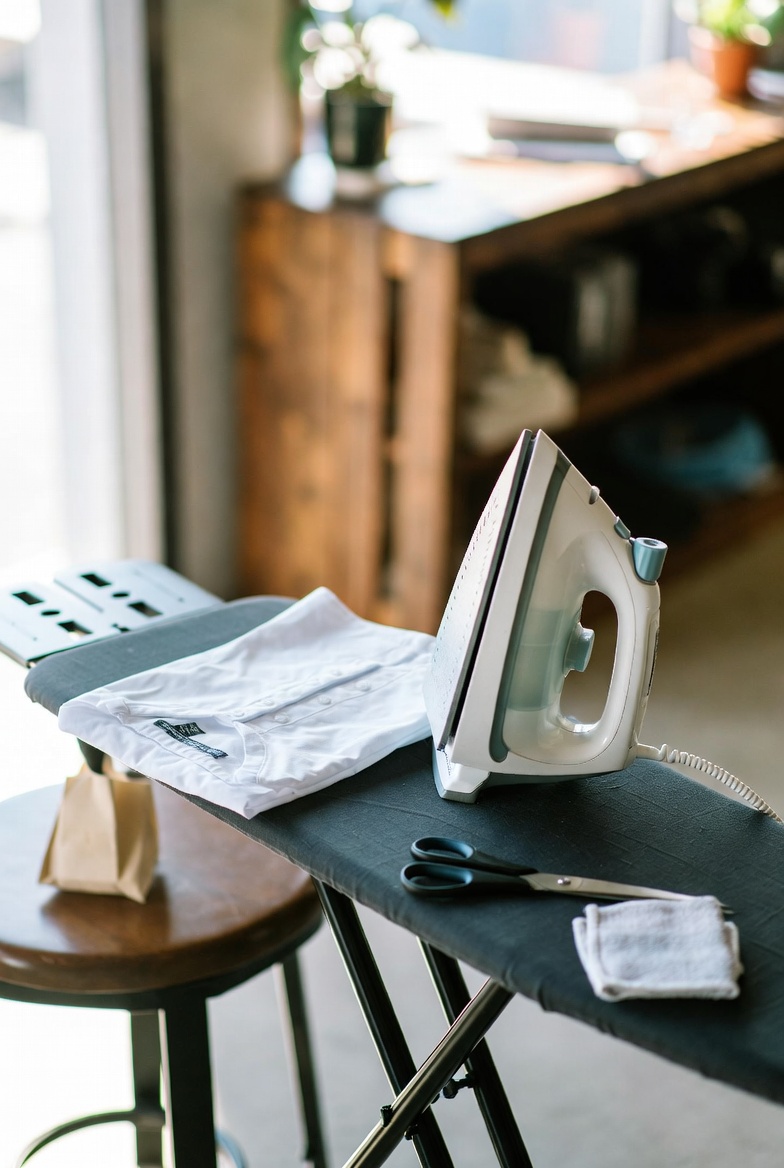
An ironing service business is a local garment-care model built on convenience, careful fabric handling, and reliable turnaround for busy households, professionals, and uniforms. The strongest version often stays focused on pressing quality first, then decides whether adjacent offers like pickup and delivery laundry or broader dry cleaning services should be added later.
This page is here to help you see how an ironing service business actually works: pressing quality, route density, repeat pickup habits, and whether customers want ironing only or a broader garment-care offer.
Fast facts to help you grasp core traits quickly.
Startup Cost
A basic ironing service can start with quality irons, boards, garment racks, packaging supplies, and a simple pickup-and-delivery setup.
Read As
This is usually much lighter to start than a full dry-cleaning or laundry operation.
Skill Barrier
You do not need advanced tailoring skills, but you do need speed, fabric awareness, heat caution, and consistent finish quality.
Read As
Clients are paying for neatness, care, and reliability, not just heat on fabric.
Time to First Revenue
A first client can come fairly quickly through local households, busy professionals, and pickup-based convenience offers, but a stable customer base usually takes longer.
Read As
The first order is not the hard part. Repeat household habits are.
Repeat Potential
Shirts, uniforms, linens, and regular household garments create strong repeat potential when service quality and turnaround stay dependable.
Read As
This works best when customers build it into their routine.
Local Dependency
Travel time, pickup density, neighborhood income, and local customer habits make this a highly local convenience business.
Read As
Distance affects margin more than most beginners expect.
Scalability
It can grow through route density, recurring accounts, pickup-and-delivery systems, and added garment-care services, but it still depends heavily on labor and quality control.
Read As
Growth usually comes from systems and recurring volume, not endless one-off orders.
Competition
You compete with at-home ironing, laundromats, dry cleaners, wash-and-fold providers, and customers avoiding clothes that require pressing.
Read As
Convenience and consistency are usually more important than brand polish.
Operational Intensity
The work is simpler than many route-based services, but sorting, pickup timing, garment tracking, heat-damage risk, and turnaround promises still need discipline.
Read As
The business looks light until quality mistakes start affecting trust.
This section helps show where demand usually comes from and what signals are worth noticing.
Demand Type
Customer Pattern
Service Format
The U.S. dry cleaners industry is estimated at about $9.6 billion in 2026, with around 27,649 businesses in 2025. That shows continuing demand for paid garment-care services, even though the broader category faces pressure from at-home alternatives. An ironing service usually wins not by copying full dry cleaning services, but by making a narrow convenience offer feel easy and dependable.
The category is real, but the easiest money usually comes from convenience and repeat habits, not from market size alone.
BLS time-use data shows Americans still spend time on laundry each day on average. That supports the basic logic behind outsourcing at least part of garment care, especially for customers who dislike ironing or want cleaner presentation with less effort.
You are not only selling pressing. You are selling time back to the customer.
May 2024 BLS wage data shows annual mean pay of about $33,990 for laundry and dry-cleaning workers and about $33,370 for pressers, textile, garment, and related materials. That helps frame the cost base behind scaling beyond solo operation.
The equipment is affordable. Labor consistency is usually the harder part.
IBISWorld notes that many consumers prefer using their own washers and dryers, which reduces foot traffic for professional garment-care services. That makes pickup, speed, recurring accounts, and easy ordering more important. In practice, an ironing service becomes stronger when it behaves more like a pickup and delivery laundry convenience layer without immediately becoming a full laundry shop.
Basic garment care is not enough. The convenience layer is often what makes the business work.
Before you take this idea seriously, check these real-world signals first.
Those sound similar, but they behave differently in pricing, routing, and customer expectations.
Check: A narrower offer is easier to explain and test, but a broader offer may create better ticket size. Many operators quietly struggle when they mix ironing, pickup and delivery laundry, and dry cleaning services before the workflow is stable.
This business depends on repeatable quality, not just doing the task correctly once.
Check: A neat result with poor speed creates weak margins. Speed with inconsistent quality creates churn.
A low-ticket garment service can lose money quietly when travel time grows.
Check: Look at route clustering before assuming convenience will automatically create profit. Pickup and delivery laundry sounds stronger on paper than it feels when stops are scattered.
Scorching, shine marks, missed items, and mixed-up garments can damage reputation very quickly.
Check: The business is simple on paper, but trust is fragile in practice.
Parts of this idea may look simple at first but become heavy in daily delivery.
Per-piece pricing looks simple, but route time, sorting, packaging, and handwork can quietly compress margin. This is why an ironing service often needs order minimums, route discipline, or recurring bundles instead of casual one-shirt work.
Heat sensitivity, wrinkles, pleats, embellishments, and finishing expectations all affect how safe and repeatable the work really is.
One-time orders help cash flow, but recurring household or professional use is what usually creates stability.
What you may need to spend before this idea becomes real.
Cost Pressure
Low
Testability
Easy to test small
Cost Structure
Equipment + packaging + transport + labor + utilities
A home-based or small-unit setup with a narrow service menu, fixed turnaround windows, and local pickup can reduce early risk significantly. That usually makes more sense than trying to imitate a full dry cleaning service before local demand is proven.
The service is easiest to test when the offer stays simple.
Steam irons, ironing stations, garment racks, hangers, packaging materials, and storage can be set up without heavy capital, but poor equipment quickly affects finish quality and speed.
Cheap equipment lowers the entry cost, but it can also lower the service standard.
Electricity, water if laundry is added, packaging, transport, labor, and rework from mistakes all shape real profit more than the first purchase does. Pickup and delivery laundry can make the offer more useful, but it also adds route cost and coordination pressure.
A light business can still lose money if the process is inefficient.
Done matters more than perfect in early stage execution.
Most customers already understand what ironing is. What they are paying for is saved time, better presentation, and less household effort.
Reminder: If the service does not feel easy, the business becomes much harder to justify.
A few one-off orders can make the business look promising, but recurring households, uniforms, and weekly pickup habits are usually what make it stable.
Reminder: Habit-based demand is usually more valuable than occasional demand.
Pressed shirts and garments are visual products. Small finishing problems are easy for customers to notice and remember.
Reminder: Neatness is not a bonus feature. It is the service itself.
Sorting, packing, delivery, communication, and garment care can quietly absorb more time than beginners expect.
Reminder: This business works better with minimum order logic, route density, or recurring bundles.
Many ideas do not start at scale; they stabilize first.
Early growth usually comes from becoming a dependable weekly or twice-weekly service for a small customer base rather than chasing every possible job.
Reminder: Stable habits usually come before real scale.
Minimum order sizes, pickup windows, per-piece categories, express fees, and add-on garment-care services make the business easier to operate profitably. A good next step is often pickup and delivery laundry for selected customers, not a rushed jump into full dry cleaning services.
Reminder: The easier the service is to understand and buy, the easier it usually is to manage.
As demand grows, the next layer usually comes from order tracking, garment labeling, route planning, staff training, and clearer handling standards.
Reminder: More orders without better systems usually creates mix-ups, delays, and rework.
Where AI can assist and where human delivery still matters.
Order intake, route planning, customer reminders, pricing templates, and follow-up
Garment handling, pressing quality, stain judgment, packing, and trust-building
An efficiency layer around operations and communication
Pickup reminders, order summaries, FAQs, turnaround messages, and service explanations can be produced faster through templates and automation. That becomes more useful if the ironing service also adds pickup and delivery laundry scheduling.
It saves admin time, but it does not replace quality garment handling.
Customer notes, recurring pickup schedules, garment counts, and order-status updates can be structured more clearly and reused consistently.
The more recurring the workflow becomes, the more useful this support gets.
Neighborhood offers, simple website copy, service menus, and recurring-customer messages can be created faster without building a full marketing system.
Good messaging helps, but repeat business still depends on convenience and trust.
This page combines public industry data, labor-market context, household time-use context, and editorial judgment. U.S. garment-care market context mainly draws from IBISWorld; wage context mainly draws from BLS occupational wage data; household laundry time-use context mainly draws from the American Time Use Survey; licensing and insurance framing mainly draw from SBA guidance. The distinctions between ironing service, pickup and delivery laundry, and dry cleaning services are editorial operating judgments rather than single-source definitions.
Data Sources
Public market data + labor and household-time sources
Case Inputs
Garment-care service patterns + local pickup-and-delivery observations
Nature of Judgment
Editorial synthesis, not a single-source quotation
Supports: U.S. dry cleaners industry size and business count as a garment-care market proxy
Key point: The U.S. dry cleaners industry is about $9.6 billion in 2026, with around 27,649 businesses in 2025.
View source →Supports: Pressure from at-home alternatives and the importance of convenience
Key point: IBISWorld notes that many consumers prefer using their own washers and dryers, reducing foot traffic for professional garment-care services.
View source →Supports: Wage context for garment-care labor
Key point: In 2023, laundry and dry-cleaning workers had an annual mean wage of about $31,880, with a median of about $31,050.
View source →Supports: Why time-saving can matter in household outsourcing
Key point: In 2024, Americans spent an average of 0.17 hours per day on laundry.
View source →Supports: Licenses, permits, and insurance considerations for small home-based service businesses
Key point: Most small businesses need some combination of licenses and permits, and home-based businesses may also need insurance riders or separate coverage.
View source →Supports: Insurance considerations for home-based businesses
Key point: SBA notes that home-based businesses may need home-based business insurance or additional liability coverage beyond a standard homeowner policy.
View source →Explore nearby directions with different workload and demand shape.

A Home Cleaning Business is a local Residential Cleaning Business built on recurring demand, household trust, and the ability to deliver a clean home consistently without making the customer think about it too much. The strongest version combines recurring cleaning, clear deep cleaning offers, and reliable service that keeps households rebooking.
Explore idea →
A trust-based professional service business built on recurring client relationships, technical accuracy, and deadline-driven financial work.
Explore idea →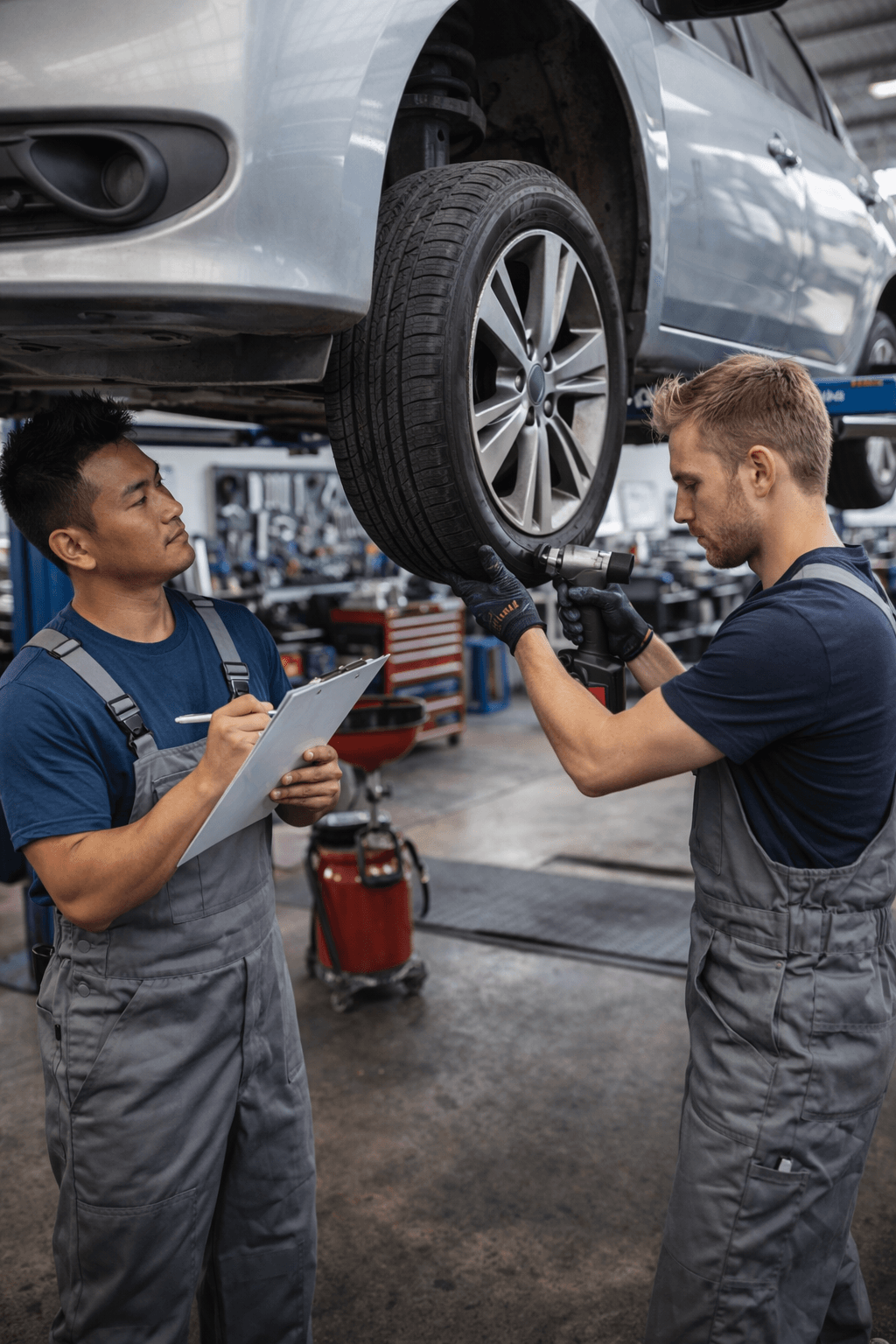
Auto repair is one of the most dependable local service businesses because the demand is not optional. Cars age, parts wear out, warning lights show up at inconvenient times, and most owners would rather pay someone they trust than guess wrong. The good version of an auto repair business is not just a shop that fixes cars. It is an auto repair shop that diagnoses accurately, explains clearly, and becomes the place customers stop shopping around on.
Explore idea →You do not need to decide now. Save it, note it, and compare more ideas.