Makeup Artist

A makeup artist business is built on visible results, client trust, and the ability to stay calm and precise when the booking actually matters. The strongest makeup artist operators usually anchor themselves in bridal makeup and wedding makeup, then widen into prom makeup, event makeup, or other makeup services through referrals.

CreativeLocal ServiceTrust-BasedRepeat DemandExpertise-LedWomen

This page is here to help you see how a makeup artist business works in practice, not sell the dream version of it.

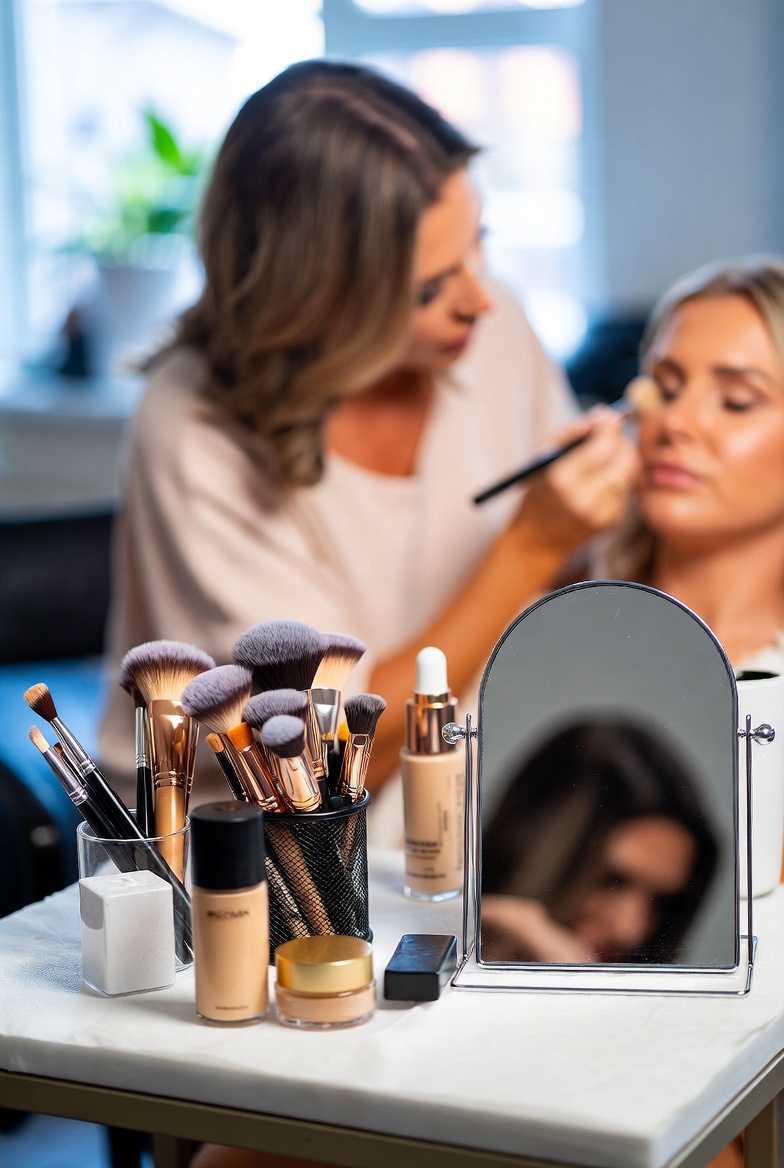
A makeup artist applying finishing touches to a bridal client while a clean professional kit sits open beside a mirror

Quick Business Snapshot

Fast facts to help you grasp core traits quickly.

1

Startup Cost

Low to Medium

You can start with a lean mobile kit, but costs rise once you add shade range, sanitation supplies, travel gear, insurance, education, and portfolio building.

The kit is not a one-time buy. It becomes a recurring overhead line.

2

Skill Barrier

High

This is not only product knowledge. You need technical consistency, shade judgment, hygiene discipline, speed, and the ability to keep clients calm under time pressure.

Clients remember how they looked and how safe they felt in your hands.

3

Time to First Revenue

Fast to Moderate

A first paid booking can happen fairly quickly if your portfolio already looks credible, but a calendar that fills at strong rates takes longer.

The first client is easier than the first reliable season.

4

Repeat Potential

Medium

Bridal work is often one-off, but repeat income can come from events, shoots, lessons, corporate bookings, and referrals from past clients and vendors.

One happy bride is valuable. A planner or photographer who keeps sending people is more valuable.

5

Local Dependency

Medium to High

Most makeup artists win work inside a local wedding, event, or creative network, even if social media helps widen reach.

This usually starts as a local trust business, not a global audience business.

6

Scalability

Medium

A solo artist hits a time ceiling quickly. Growth usually comes through assistants, second artists, lessons, digital education, or brand work.

More appointments alone is usually not the cleanest path to growth.

7

Competition

High

You compete with freelance artists, salon teams, beauty counters, content-driven artists, and lower-priced local providers.

The market is not short on artists. It is short on artists people trust enough to book.

8

Operational Intensity

Medium to High

Trials, travel, timing pressure, sanitation, client messages, kit upkeep, and portfolio maintenance create more work than the appointment alone suggests.

The brush time is only part of the business.

Market & Demand Signals

This section helps show where demand usually comes from and what signals are worth noticing.

Demand Type

Bridal + event readiness + image confidence + beauty convenience

Customer Pattern

Brides, bridal parties, event clients, photographers, brands, and performers

Service Format

Bridal makeup + event makeup + commercial/editorial + lessons

Market

This sits inside a large paid beauty-services market

Grand View Research estimates the global professional beauty services market at about $247.24 billion in 2023, about $263.21 billion in 2024, and roughly $395.69 billion by 2030. That matters because a makeup artist works inside an already-paid beauty economy rather than a fringe niche.

Demand exists. The real question is whether your version of the service is the one clients choose.

Bridal

Wedding makeup remains one of the clearest paid entry lanes

The Knot says average bridal hair and makeup was about $290 in 2025, and its 2026 wedding-cost data lists the average makeup artist cost for one to-be-wed at about $150. Thumbtack also places wedding makeup in a higher-priced band than general event makeup. For many operators, bridal makeup is the clearest paid entry lane because the client usually cares more about trust and finish than bargain pricing.

Bridal makeup is a strong entry point, but not a complete year-round business by itself.

Pricing

Clients do pay real rates for makeup when trust is there

Thumbtack says general makeup artist pricing commonly lands around $156 to $178 per person, while wedding makeup artists commonly charge about $218 to $424 on average. That is enough to make this a real service business, not just a low-ticket side gig, especially if the makeup artist has one clear lane in bridal makeup, wedding makeup, or premium event makeup services.

The visible price looks attractive. Travel time, admin, and product use decide what is actually left.

Labor

Beauty work is still labor, not only aesthetics

BLS says hairdressers, hairstylists, and cosmetologists had a median hourly wage of about $16.95 in May 2024. BLS-linked wage data for theatrical and performance makeup artists shows a much higher specialized benchmark of about $50,280 annually.

Specialization and positioning matter a lot more here than people assume.

Industry Shape

You are entering a crowded beauty-service world

IBISWorld puts the U.S. Hair & Nail Salons market at about $92.5 billion in 2026 and shows a very large business count with low concentration. Makeup artists do not equal that whole industry, but it is a useful reminder that the wider beauty-service market is already dense and competitive.

You are not competing against empty space. You are competing against existing beauty habits and providers.

Quick Reality Check

Before you take this idea seriously, check these real-world signals first.

01

Can you produce consistent results on different skin types, ages, tones, and lighting conditions?

A makeup artist is not judged only on one strong portfolio face.

Reliable work across real clients matters more than a few perfect photos, especially if you want bridal makeup and wedding makeup clients to trust you with visible, high-pressure days.

02

Do you have one clear lane before trying to do everything?

Bridal, glam events, lessons, editorial, and production do not behave like the same business.

A narrower starting lane usually makes referrals, pricing, and portfolio building easier. Bridal makeup, wedding makeup, and prom makeup can all look similar online, but they behave differently in timing, emotion, and pricing.

03

Can you handle the emotional side of the job, not just the technical side?

Clients often show up stressed, insecure, late, or highly specific about how they want to look.

Calm communication is part of the service, not an extra.

04

Do you understand your local rules around licensing, hygiene, and business setup?

Beauty work can look informal from the outside, but local rules are often not casual.

If you are unclear on what is required where you work, fix that before growing the calendar.

What People Often Underestimate

Parts of this idea may look simple at first but become heavy in daily delivery.

Travel Load

The paid face time is only part of the job

Travel, setup, breakdown, consultations, and client messaging all sit around the appointment. Makeup services often look short from the outside, but the unpaid preparation time is what quietly changes the economics.

Kit Economics

Products quietly eat margin

Shade range, disposables, lashes, sanitation supplies, and replacements make the kit more expensive to maintain than it first looks.

Booking Volatility

The calendar can stay uneven even when demand looks strong online

Bookings cluster around weekends, wedding months, and event dates, so revenue often comes in bursts.

Startup Cost

What you may need to spend before this idea becomes real.

Cost Pressure

Low to Medium

Testability

Easy to test small

Cost Structure

Kit + sanitation + travel + education + marketing + admin

Lean Start

The earliest workable version usually starts with one clean service lane

A focused bridal, event, or lesson-based offer lets you test demand without carrying the weight of a studio, employees, or a wide menu. That is often how people learn how to become a makeup artist commercially, rather than only technically.

A tighter offer is usually easier to sell than a broad promise to do everything.

Ongoing Cost

The steady costs matter more than people think

Product replacement, disposables, lost time in inquiries, travel, and content upkeep keep pressing on margin after startup.

This business often leaks money through hidden service time more than through one big purchase.

Execution Readiness

Being ready means more than owning good products

You also need a clean booking flow, deposits, timing rules, hygiene standards, and a portfolio that makes the service feel trustworthy. A makeup artist with strong makeup services but weak client process still looks risky to the buyer.

The more premium the process feels, the easier it is to charge like a professional.

What This Idea Really Asks of You

Done matters more than perfect in early stage execution.

A makeup artist business can become a strong personal-service business, but it asks you to turn technique, trust, and professionalism into something clients feel safe booking for visible moments.
1

You need to accept that this is a trust business first

People hire a makeup artist when they do not want to gamble with how they will look in person or in photos.

Good makeup matters, but confidence is what unlocks the booking.

2

You need visible proof before expecting premium pricing

Because the service is visual, portfolio quality, testimonials, and calm communication often matter before the client ever sits in the chair. This matters even more in bridal makeup and wedding makeup, where clients are usually less forgiving of uncertainty.

The business starts before the brush touches the face.

3

You need to decide whether you are building a booking-based service or a broader beauty brand

One depends mostly on appointments. The other may later include education, products, content, or a team. A makeup artist who tries to build every version at once usually loses clarity.

Growth gets cleaner when you know which version you are actually building.

4

You need to treat punctuality, hygiene, and client handling as part of the artistry

A look can be beautiful and the service can still fail if timing, cleanliness, or communication falls apart.

Professionalism is part of the finished result.

How This Idea Usually Grows

Many ideas do not start at scale; they stabilize first.

1

Move from first clients to repeatable referrals

Early growth usually comes from brides, photographers, stylists, and past clients sending the next person your way. Wedding makeup referrals often matter more than broad online attention at the beginning.

Reminder: Referral quality often matters more than broad attention at the beginning.

2

Move from custom chaos to clearer packages and boundaries

Defined bridal packages, trial policies, travel rules, event minimums, and timing structures make the business easier to price and easier to run. Bridal makeup, prom makeup, and general makeup services should not stay bundled under one vague offer forever.

Reminder: The easier the service is to understand, the easier it is to sell cleanly.

3

Move from solo appointments to a more durable beauty business

Once bookings are steadier, growth usually comes from assistants, second artists, lessons, studio partnerships, or digital education rather than simply taking more weekend clients.

Reminder: More bookings without more structure usually creates fatigue.

AI / Automation Angle

Where AI can assist and where human delivery still matters.

Can Be Assisted

Booking admin, content drafts, follow-up, FAQs, and workflow organization

Still Needs Human

Face judgment, technique, hygiene, calming clients, and live execution

Overall Role

An efficiency layer around the business

Admin

AI can reduce repetitive inquiry and booking work

Inquiry replies, prep instructions, deposit reminders, service guides, and follow-up messages can be produced faster and kept more consistent.

It saves admin time, but it does not replace technique or trust.

Content

AI can help a makeup artist stay visible online

Captions, service-page drafts, before-and-after explanations, and educational posts can be created more efficiently. That helps when a makeup artist needs separate pages or posts for bridal makeup, wedding makeup, or other makeup services without rewriting everything from scratch.

That matters because visibility is part of lead generation in this business.

Operations

AI can help organize the business as bookings rise

Client notes, product-use tracking, packing lists, schedule summaries, and standard policies can be kept cleaner when the calendar gets busy.

The more this becomes a real service business, the more useful this support layer becomes.

Sources & Verification

This page combines public beauty-services market data, bridal pricing benchmarks, general makeup-service pricing, labor-market data, and adjacent beauty-industry structure data. Because makeup artistry spans bridal makeup, wedding makeup, prom makeup, event work, editorial, commercial, performance, and education, some practical conclusions here are editorial synthesis rather than one-source claims.

Data Sources

Public market data + bridal pricing + wage data + industry structure

Case Inputs

Bridal makeup + event makeup + freelance beauty-service patterns

Nature of Judgment

Mix of sourced data and editorial synthesis

professional beauty services market

Grand View Research

Supports: Overall paid beauty-services demand and growth context

Key point: The global professional beauty services market was about $247.24 billion in 2023, about $263.21 billion in 2024, and is projected to reach about $395.69 billion by 2030. The U.S. market is expected to grow at about a 6.9% CAGR through 2030.

View source →
bridal hair makeup cost

The Knot

Supports: Current bridal beauty pricing context

Key point: The average bridal hair and makeup cost was about $290 in 2025, and The Knot's 2026 wedding-cost data lists the average makeup artist cost for one to-be-wed at about $150.

View source →
wedding makeup cost

The Knot

Supports: Wedding makeup spending benchmark for one client

Key point: The Knot's 2026 wedding-cost data lists the average makeup artist cost for one to-be-wed at about $150.

View source →
general makeup pricing

Thumbtack

Supports: General consumer pricing for freelance makeup services

Key point: General makeup artist pricing commonly lands around $156 to $178 per person.

View source →
wedding makeup pricing

Thumbtack

Supports: Wedding makeup pricing benchmark

Key point: Wedding makeup artists commonly charge about $218 to $424 on average.

View source →
beauty wage and license context

BLS

Supports: Beauty-service wage baseline and licensing context

Key point: Hairdressers, hairstylists, and cosmetologists had a median hourly wage of about $16.95 in May 2024, and BLS notes that all states require barbers, hairstylists, and cosmetologists to be licensed.

View source →
specialized makeup artist context

BLS / O*NET

Supports: Specialized makeup-artist wage context

Key point: Makeup artists, theatrical and performance show a median annual wage of about $50,280 in 2024.

View source →
adjacent industry structure

IBISWorld

Supports: Beauty-service competition and business-density context

Key point: The U.S. Hair & Nail Salons market is about $92.5 billion in 2026, with a very large business count and low concentration, showing how crowded the wider beauty-service world already is.

View source →
The parts covering beauty-services market size, bridal pricing, general makeup pricing, wage context, licensing context, and adjacent beauty-industry competition are grounded in the sources above. The parts covering repeat logic, local dependence, service boundaries, how to become a makeup artist commercially, operator fit, and growth structure are editorial conclusions built from those sources rather than direct one-source claims.
Whether this business is worth doing still depends heavily on your niche, your portfolio strength, your local event density, your ability to handle timing and people well, and whether you are building a booking-based freelance service or a broader beauty brand. In most markets, the cleaner first path is one clear service lane rather than every makeup service at once.
Keep exploring at your own pace

You do not need to decide now. Save it, note it, and compare more ideas.

Explore more ideas

Share this idea