1
Startup Cost
Medium
A lean kit can get you started, but cameras, lenses, audio, lighting, storage, software, and backup gear add up quickly.
Read As
The first setup is rarely the last setup.
A photography business or videography business is built on creative skill, reliable delivery, and the ability to turn shoots into assets clients are willing to pay for. The strongest operators are not just taking pictures or rolling video. They are selling a repeatable service people trust for weddings, events, and commercial work.
This page is here to help you see the structure of the business, not just the creative side of it. A photography business can look simple from the outside, but the real model depends on lane choice, reliable delivery, and whether you are building a wedding photography business, an event photography business, or a broader photo and video service.

Fast facts to help you grasp core traits quickly.
Startup Cost
A lean kit can get you started, but cameras, lenses, audio, lighting, storage, software, and backup gear add up quickly.
Read As
The first setup is rarely the last setup.
Skill Barrier
Clients expect more than camera knowledge. They expect direction, clean edits, backups, and reliable delivery.
Read As
People are buying confidence in the result, not just image capture.
Time to First Revenue
A first paid job can come early through portraits, small events, or local business content. Stable income takes longer.
Read As
Getting booked once is easier than becoming the person people recommend.
Repeat Potential
Weddings are mostly one-off. Repeat work usually comes from brands, schools, real estate, and ongoing business content.
Read As
The most stable version of this business usually includes commercial repeat work.
Local Dependency
Most shoots still depend on local presence, travel time, and on-site execution, even if editing can be done remotely.
Read As
Files travel more easily than people and gear.
Scalability
Growth usually comes through clear packages, editing help, and second shooters. Taking more jobs alone often just creates backlog.
Read As
Without systems, more bookings do not automatically mean more profit.
Competition
This is a crowded market across every price tier, from hobbyists to established studios.
Read As
Niche, reliability, and turnaround matter more than gear talk.
Operational Intensity
The shoot day is only one part of the job. Backup, culling, editing, revisions, and delivery take real time.
Read As
Clients mainly see the shoot. They do not see the post-production load behind it.
This section helps show where demand usually comes from and what signals are worth noticing.
Demand Type
Customer Pattern
Service Format
IBISWorld estimates the U.S. photography industry at about $15.8 billion in 2025, which shows that paid image-making is still a real market despite heavy competition. That matters whether you are building a photography business, a videography business, or a narrower service built around one lane.
The category is proven. The harder question is where you can fit inside it.
Grand View Research values the U.S. wedding services market at about $64.93 billion in 2024 and expects it to reach $68.63 billion in 2025. The Knot's current wedding-cost data places average wedding photography at about $3,000 and videography at about $2,300. That is one reason a wedding photography business still attracts people asking how to start a photography business in the first place.
Wedding work can support stronger pricing, but it also brings high expectations and deadline pressure.
The real product is not just showing up with a camera. It is planning, technical control, direction, editing, reliability, and final delivery. That is true whether the client thinks they are hiring a photography business, a videography business, or an event photography business.
That is why trust and process usually matter more than gear specs alone.
BLS reports a median hourly wage of $20.44 for photographers in May 2024, while camera operators and film/video editors had median annual wages of $68,810 and $70,980.
The labor has real market value, but income still varies widely by niche, consistency, and client type.
Before you take this idea seriously, check these real-world signals first.
A strong portfolio is not the same as a strong service business.
Check: The real test is whether you can repeat quality under schedule pressure, difficult lighting, and client expectations.
Portraits, weddings, real estate, brand content, and corporate video all need different workflows and client handling.
Check: A narrower lane usually makes marketing, pricing, and execution much cleaner. A wedding photography business, event photography business, and commercial videography business do not run on the same workflow.
Many beginners underestimate culling, backup discipline, editing time, revisions, and delivery logistics.
Check: If the editing pipeline is weak, the business becomes stressful very quickly. This is one of the first real lessons behind how to start a photography business without drowning in backlog.
Creative businesses often lose money through unclear scope, not weak demand.
Check: Clear deliverables and boundaries matter as much as visual skill.
Parts of this idea may look simple at first but become heavy in daily delivery.
Culling, color work, audio cleanup, exports, backups, revisions, and final delivery can quietly consume most of the job.
For weddings, events, and commercial shoots, people are often paying to avoid missed moments, poor communication, and unreliable delivery. That is why a wedding photography business or event photography business is often judged more harshly than a casual creative gig.
Extra batteries, storage, lighting, audio, backups, and replacement gear matter because failures happen at the wrong time.
What you may need to spend before this idea becomes real.
Cost Pressure
Medium
Testability
Possible to test small
Cost Structure
Gear + software + storage + travel + marketing + time
A lean start often means one niche, one solid camera setup, basic lighting or audio, editing software, and a simple portfolio rather than trying to look like a full production house immediately. That is usually the practical answer to how to start a photography business without overspending too early.
Start with a clear lane before building a heavy gear footprint.
Software subscriptions, storage, travel, replacement gear, second shooters, editing time, and revision drag can keep cutting into real margin.
Recurring operating friction usually matters more than the original camera purchase.
Contracts, turnaround expectations, backup workflows, galleries, delivery structure, and communication templates all require setup work before the business feels professional.
Clients judge the whole process, not just the final image quality.
Done matters more than perfect in early stage execution.
Your taste matters, but so do communication, punctuality, problem-solving, and calm execution under pressure.
Reminder: A beautiful portfolio does not cancel weak client handling.
Clients usually pay more when they believe you will deliver on time, protect files, and manage the day well, not only because your visuals look polished.
Reminder: Trust often raises prices more sustainably than aesthetics alone.
If every job feels improvised from scratch, the business becomes hard to scale and easy to exhaust yourself with.
Reminder: Workflows, packages, and boundaries protect both margin and energy.
For many clients, the real service is not the shoot day. It is what arrives afterward and how cleanly it arrives.
Reminder: A delayed or disorganized delivery can erase a strong shooting experience.
Many ideas do not start at scale; they stabilize first.
Early growth usually comes from becoming known for a specific type of work such as weddings, portraits, real estate, creator content, or local business shoots. A wedding photography business or event photography business is easier to recommend than a vague all-purpose offer.
Reminder: A business becomes easier to recommend when people know what you are for.
Defined deliverables, timelines, coverage windows, and add-ons make the service easier to sell, execute, and protect from scope creep.
Reminder: The easier a service is to understand, the easier it usually is to buy.
Growth usually starts to look healthier when editing help, second shooters, subcontractors, SOPs, and client workflow systems reduce the dependence on one person's time.
Reminder: More bookings without more structure usually creates backlog, not scale.
Where AI can assist and where human delivery still matters.
Scheduling, shot lists, admin, draft proposals, edit organization, and follow-up
Creative judgment, directing, live capture, client trust, and final quality control
An efficiency layer around the service rather than a replacement for the core craft
Inquiry replies, package explanations, prep reminders, scheduling messages, and follow-up emails can be standardized and handled faster.
It saves time around the project, not the live execution inside it.
Shot lists, project notes, checklist templates, interview prompts, content briefs, and delivery steps can be structured more consistently.
This becomes more valuable as the number of jobs increases.
Blog drafts, social captions, portfolio descriptions, case-study outlines, and newsletter content can be created faster to support visibility and SEO. That is useful when a photography business needs to explain weddings, events, brand shoots, or video services more clearly online.
This is useful if growth depends on audience-building rather than only referrals.
This page combines public industry data, wedding-market research, current wedding pricing data, labor-market wage context, and editorial judgment. U.S. photography industry size mainly draws from IBISWorld; wedding-market size mainly draws from Grand View Research; wedding photography and videography pricing mainly draw from The Knot; wage context mainly draws from the BLS. The goal is to judge whether a photography business, videography business, wedding photography business, or event photography business can be made commercially reliable.
Data Sources
Public market data + labor data + category pricing
Case Inputs
Service-format patterns + recurring client and workflow observations across weddings, events, and commercial work
Nature of Judgment
Editorial synthesis, not a single-source quotation
Supports: U.S. photography industry size and structure
Key point: The U.S. photography industry is estimated at about $15.8 billion in 2025.
View source →Supports: U.S. wedding services market size
Key point: The U.S. wedding services market was about $64.93 billion in 2024 and is expected to reach about $68.63 billion in 2025.
View source →Supports: Wedding photography and videography pricing
Key point: Current Knot wedding-cost data places average wedding photography at about $3,000 and videography at about $2,300.
View source →Supports: Wage context for photography work
Key point: Photographers in the U.S. had a median hourly wage of $20.44 in May 2024.
View source →Supports: Wage context for video camera and editing work
Key point: Camera operators had a median annual wage of $68,810 in May 2024, and film and video editors had a median annual wage of $70,980.
View source →Explore nearby directions with different workload and demand shape.

A lean service business built on diagnosis, prioritization, and trust. On the surface it sells SEO or marketing advice, but in practice an SEO consultant sells clearer growth decisions, fewer wasted moves, and a steadier path to qualified demand.
Explore idea →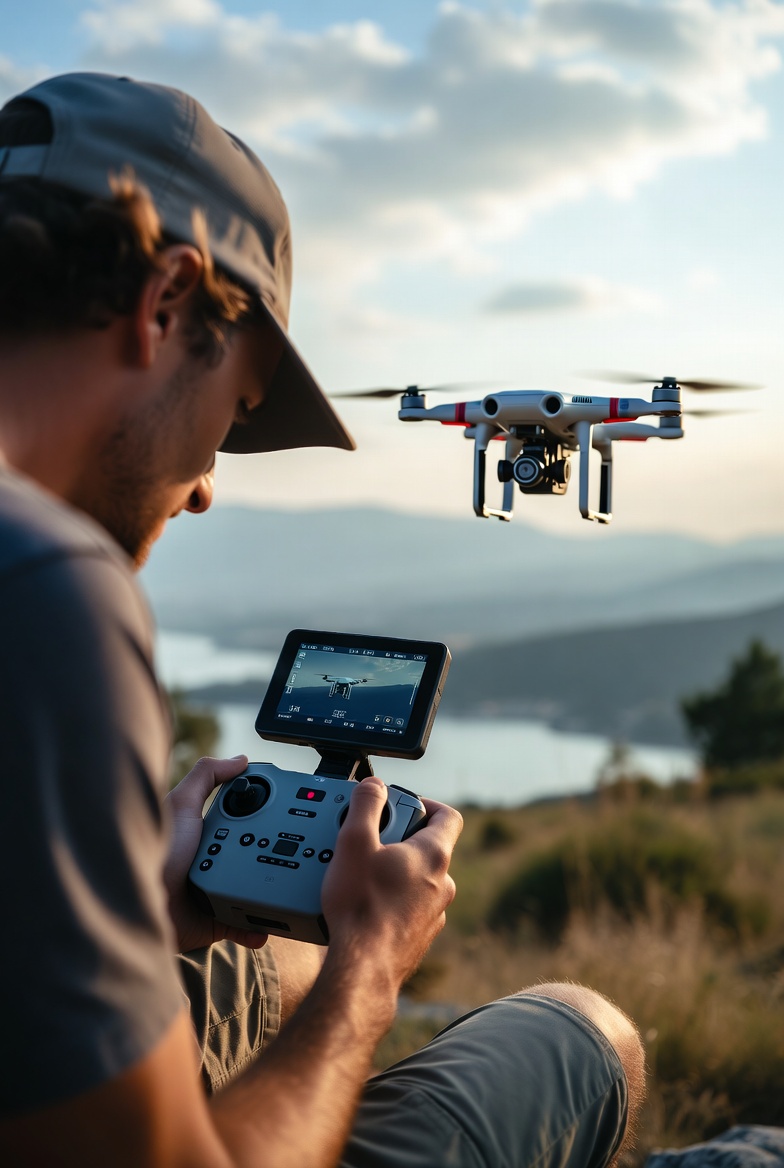
Drone Videography is a niche media service business built on legal flight, safe execution, and footage clients cannot easily create from the ground. The strongest Drone Videography businesses are not selling a gadget. They are selling dependable aerial content that solves a client need better than ground capture can.
Explore idea →
A florist business is a local flower business built on design skill, perishable inventory control, and reliable execution for gifting, events, and recurring floral needs. The strongest florist business is not just selling bouquets. It is running a time-sensitive florist retail business with real buying discipline, local trust, and repeat demand.
Explore idea →You do not need to decide now. Save it, note it, and compare more ideas.