Market
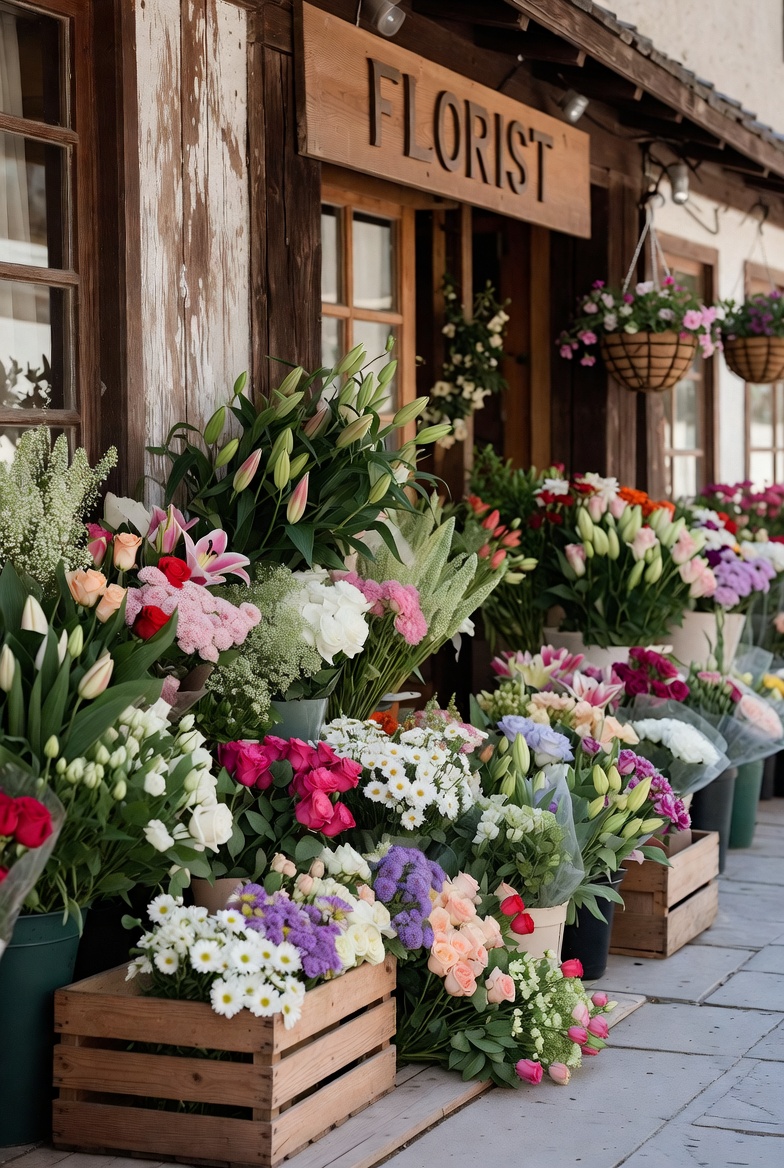
A florist business still sits inside a real retail category, even after years of structural pressure
IBISWorld says U.S. florist industry revenue is about $7.9 billion in 2026. That confirms there is still meaningful demand for a florist business, even though the category has faced pressure from supermarkets, online ordering, and changing retail habits.
The category is real. The harder question is whether your local shop can earn enough from perishables and events.
Events
Weddings remain one of the strongest high-ticket demand sources for a florist business
The Knot says the average cost of wedding flowers was about $2,723 based on its 2025 Real Weddings Study, and its 2026 wedding-cost reporting says the average overall wedding cost reached $34,200 for couples married in 2025. That supports the idea that florals remain a meaningful event budget line for a florist business.
Weddings can lift revenue, but they usually increase timing pressure and execution risk too.
Retail Shift
Online channels are now a major competitive force in floral purchasing
IBISWorld expects U.S. online flower shop revenue to reach about $16.1 billion by the end of 2026, which shows how strongly online ordering now shapes floral buying behavior. A florist business now competes on convenience and discovery, not only on storefront charm.
A florist business now competes on convenience and discovery, not only on storefront charm.
Labor
The craft side is real, but florist jobs still sit under modest labor economics
The BLS says floral designers had a median annual wage of about $36,120 in May 2024, and employment is projected to decline 6% from 2024 to 2034. That helps frame why many florist businesses rely on owner involvement, tight staffing, and event upsells, and why florist jobs often pay less than outsiders assume.
This is a creative business, but it still has retail-level labor pressure.
Career Intent
Searches about how to become a florist usually come from people mixing craft interest with business interest
That matters because a florist business is not just about floral design flower aesthetics. It also includes buying, waste control, retail timing, customer handling, and sometimes managing florist jobs for holiday peaks or event installs.
People who ask what is a florist often picture only the arranging side, not the operator side.