1
Startup Cost
Medium
Alterations can start lean, but embroidery services add real equipment, software, and setup costs.
Read As
The tailoring and alterations side is easier to test small than the embroidery side.
A local service business built on clothing alterations, garment repair, and fit correction. Alterations can overlap with tailoring, suit alterations, sewing and alterations work, and occasional embroidery services, but the strongest local demand usually starts with clothing that already needs fixing.
This page is here to help you see how the business actually works, not make the decision for you. A lot of people picture a tailor shop as a craft business, but in practice alterations are a detail-heavy local service built on trust, fit, timing, and repeat referrals.
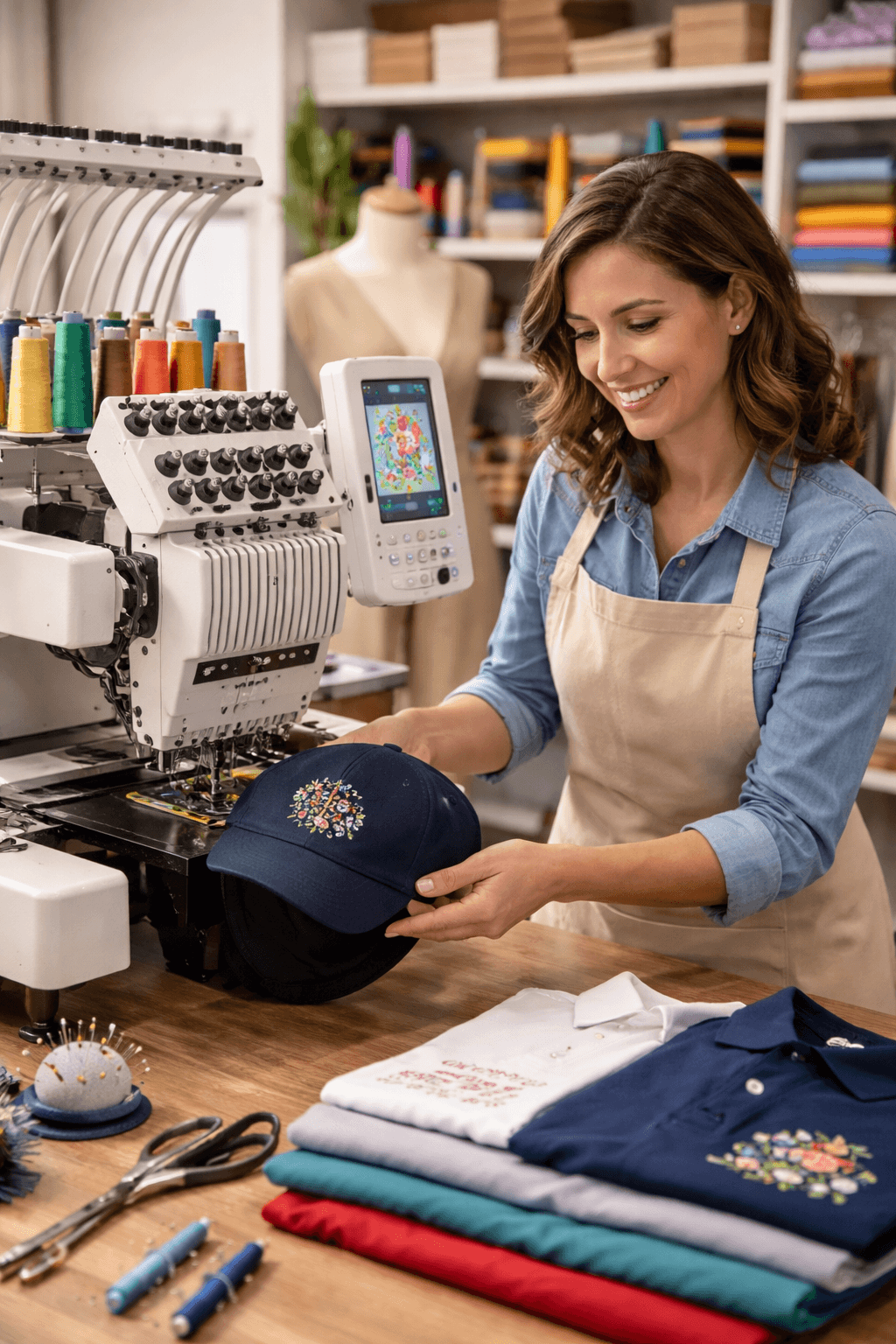
Fast facts to help you grasp core traits quickly.
Startup Cost
Alterations can start lean, but embroidery services add real equipment, software, and setup costs.
Read As
The tailoring and alterations side is easier to test small than the embroidery side.
Skill Barrier
Fit judgment, sewing accuracy, and embroidery setup all take real hands-on skill.
Read As
Clients notice mistakes immediately in this kind of work.
Time to First Revenue
Simple hems, repairs, and small logo jobs can bring in money early if the skill is already there.
Read As
Early cash flow is possible. Stable demand takes longer.
Repeat Potential
Alterations repeat locally, and uniform or team orders can create stronger recurring work.
Read As
A few repeat accounts matter more than many random one-offs.
Local Dependency
Tailoring depends heavily on fittings and pickup, even if embroidery can travel farther.
Read As
Most shops still win first through local trust and convenience.
Scalability
Embroidery scales better with equipment, while tailoring still scales mostly through labor.
Read As
Growth is usually uneven across the two service lines.
Competition
You compete with dry cleaners, bridal specialists, home sewists, and online custom apparel shops.
Read As
Speed, trust, and specialization matter more than trying to be cheapest.
Operational Intensity
Fittings, revisions, deadlines, and machine issues create more friction than the work looks like from outside.
Read As
This is a detail-heavy service business, not just a craft business.
This section helps show where demand usually comes from and what signals are worth noticing.
Demand Type
Customer Pattern
Service Format
The global tailoring and alteration services market is about $10.3 billion in 2026 and still growing. That matters because it suggests this is not just occasional side work. There is a real service category here, especially for a local alterations business or tailor shop that solves practical clothing problems.
The main question is not whether demand exists somewhere. It is whether enough of it exists around you.
The global decorated apparel market was estimated at about $28.98 billion in 2023, driven by embroidery, screen printing, sublimation, and other apparel customization work. That supports embroidery services as an add-on lane, but most small local shops still grow first through alterations, tailoring, and repair.
Embroidery becomes more interesting when you think in terms of uniforms, teams, and workwear, not only monograms.
U.S. promotional-products distributor sales reached about $26.78 billion in 2024, with education, business services, and construction among the top buying industries. That is useful context because many embroidery orders are really small-scale branding purchases.
A school, contractor, or restaurant account is often worth more than a long run of walk-in single pieces.
Standard wedding dress alterations often run around $700 to $1,000, which shows that skilled fit work can command strong pricing when the client cares deeply about the result.
Bridal work can lift average ticket size, but it also raises pressure, revision risk, and expectations.
Before you take this idea seriously, check these real-world signals first.
Clothing alterations, suit alterations, tailoring, and embroidery services can live together, but they do not run on the same rhythm, equipment plan, or customer mix.
Check: It is often easier to lead with alterations and add other lanes after demand becomes clearer.
Small jobs feel manageable until fittings, revisions, pickup delays, and rush requests all stack at once.
Check: A simple tracking system matters earlier than most people think.
Mistakes on expensive dresses, uniforms, or client-supplied jackets land directly on you.
Check: Clear policies on timelines, approvals, and damage risk protect the business.
Embroidery gets expensive faster than many people expect, especially once software and attachments enter the picture.
Check: A lean start usually comes from limiting scope, not pretending the equipment layer is small.
Parts of this idea may look simple at first but become heavy in daily delivery.
Measuring, pinning, second fittings, and client discussion quietly consume a large part of the schedule.
Digitizing, hooping, thread changes, test runs, and placement checks all take time before production really begins.
A broken machine or a bad stitch file can delay jobs fast, especially when turnaround promises are tight.
What you may need to spend before this idea becomes real.
Cost Pressure
Medium
Testability
Easy to test small on alterations
Cost Structure
Machines + software + pressing tools + rent + materials
A small tailoring or alterations setup is much easier to start than a fully equipped embroidery shop. You can validate local demand before taking on the heavier embroidery cost layer.
Starting narrower usually reduces both risk and confusion.
Industrial sewing machines can land in the low-thousands, but commercial embroidery machines and professional digitizing software can push the setup much higher very fast.
Embroidery is where this business stops being cheap.
Thread, needles, backing, and fabric are manageable. The bigger margin killers are mistakes, redos, slow approvals, and jobs priced too low for the effort involved.
Time loss is usually more dangerous than material loss.
Done matters more than perfect in early stage execution.
Clients are paying for the outcome to look right, fit right, and hold up after use.
Reminder: A mistake that looks small to you may feel huge to the customer.
Basic alterations, bridal work, uniforms, and gift embroidery can all make money, but they do not fit together equally well at the beginning.
Reminder: Clarity usually grows a shop faster than range.
Walk-ins help cash flow, but repeat commercial or referral-based work is what makes the business steadier.
Reminder: A few dependable accounts can change the whole business.
Cheap pricing feels like an easy way to win early, but it becomes a trap fast in labor-heavy work.
Reminder: If the price does not cover rework and pressure, it is probably too low.
Many ideas do not start at scale; they stabilize first.
Start with work you can deliver cleanly and repeatedly. Early credibility matters more than a wide service menu.
Reminder: Reliable basics build the base.
Local restaurants, schools, teams, and contractors are often better long-term targets than endless small custom jobs.
Reminder: Repeat work is the real stabilizer.
Grow through better job tracking, cleaner offers, and carefully chosen equipment upgrades instead of buying capacity too early.
Reminder: Capacity should follow demand, not lead it.
Where AI can assist and where human delivery still matters.
Quoting, reminders, mockups, and job tracking
Fitting judgment, fabric handling, machine control, and final quality
A support layer around admin and pre-production
Pickup reminders, quote drafts, intake questions, and common replies can be handled faster with templates and automation.
Helpful when you are trying to protect sewing time.
Simple logo previews and placement drafts can be prepared faster before final machine-ready setup happens.
Useful for approvals, but not a replacement for real digitizing skill.
Order summaries, due dates, notes, and status updates are easier to manage when the admin side is structured.
This matters more as volume rises.
This page combines public market research, buyer-side demand signals, current equipment pricing, and editorial judgment. Tailoring and alteration market size mainly draws from The Business Research Company. Decorated apparel demand mainly draws from Grand View Research. Buyer-side commercial demand context mainly draws from PPAI's 2024 sales report. Bridal pricing context mainly draws from The Knot. Equipment and software pricing context mainly draws from Ricoma, Wilcom America, and industrial sewing machine dealers. Repair-demand relevance is supported by current repair-service offerings from Marks & Spencer and UNIQLO. Wage context draws from the BLS. The goal is to judge whether an alterations business, tailor shop, or clothing alterations service can be run well in a local market.
Data Sources
Market reports + buyer-side sales data + current vendor pricing
Case Inputs
Alteration pricing context + embroidery equipment realities + repair trend signals
Nature of Judgment
Editorial synthesis, not a single-source quote
Supports: Tailoring and alteration services market size and growth
Key point: The tailoring and alteration services market is estimated at about $10.3 billion in 2026, up from $9.82 billion in 2025.
View source →Supports: Broader customization and embroidery-adjacent demand
Key point: The global decorated apparel market was estimated at $28.98 billion in 2023 and is projected to grow strongly through 2030.
View source →Supports: Commercial demand context for branded apparel and related promotional work
Key point: U.S. distributor promotional-products sales reached $26.78 billion in 2024, with education, business services, and construction among top buying industries.
View source →Supports: High-ticket pricing context for skilled alteration work
Key point: Standard wedding dress alterations often run about $700 to $1,000 depending on complexity.
View source →Supports: Commercial embroidery machine cost context
Key point: Current listed pricing shows single-head commercial embroidery machines around $9,999 and multi-head machines higher.
View source →Supports: Professional embroidery software cost context
Key point: Wilcom's professional EmbroideryStudio Designing plan is listed at $4,000 one-time.
View source →Supports: Industrial tailoring equipment price context
Key point: Dealer pricing shows industrial JUKI machines commonly landing in the low-thousands, with specialized machines much higher.
View source →Supports: Retail-level repair and tailoring relevance
Key point: Marks & Spencer launched a dedicated clothing repair service with SOJO in 2024.
View source →Supports: Ongoing consumer-facing repair service relevance
Key point: RE.UNIQLO STUDIO offers paid repair services, including stitching and button replacement.
View source →Supports: Labor and skill context for the trade
Key point: Tailors, dressmakers, and custom sewers had a median annual wage of about $40,190 in May 2023.
View source →Explore nearby directions with different workload and demand shape.

A practical local service business built on hygiene, stain removal, odor control, and repeat maintenance. The real carpet cleaning business is not just cleaning carpet - it is becoming the company customers trust when pets, kids, traffic, and time make the home or office feel dirty again. The stronger carpet cleaning business usually wins on results, drying time, and reliability rather than cheap coupons alone.
Explore idea →
A seasonal home-service business built on safety, inspections, and trusted maintenance for homes with fireplaces, stoves, and venting systems. The real chimney sweep business is not just soot removal - it is becoming the chimney cleaning service homeowners trust when fire safety, draft performance, and annual maintenance all matter at once.
Explore idea →
A gutter cleaning business is a local exterior-maintenance service built on recurring home upkeep, ladder-safe execution, gutter repair judgment, and route-based reliability. The stronger operators do more than basic cleanouts: they package gutter cleaning services, downspout cleaning, gutter maintenance, and selective add-ons such as roof washing or house washing when those services fit the market.
Explore idea →You do not need to decide now. Save it, note it, and compare more ideas.