1
Startup Cost
Low to Medium
A portable setup can start lean. A truck-mount setup raises both cost and output.
Read As
Better equipment usually means faster drying and stronger reviews.
A practical local service business built on hygiene, stain removal, odor control, and repeat maintenance. The real carpet cleaning business is not just cleaning carpet - it is becoming the company customers trust when pets, kids, traffic, and time make the home or office feel dirty again. The stronger carpet cleaning business usually wins on results, drying time, and reliability rather than cheap coupons alone.
Carpet cleaning is easier to start than many trade businesses, but harder to run well than it looks. The operators who win are not the ones with the cheapest coupon. They are the ones with better drying, better judgment, better reviews, and enough repeat clients to make the route efficient. If you are asking how to start a carpet cleaning business or how do I start a carpet cleaning business, the real answer is usually route quality, equipment quality, and trust.
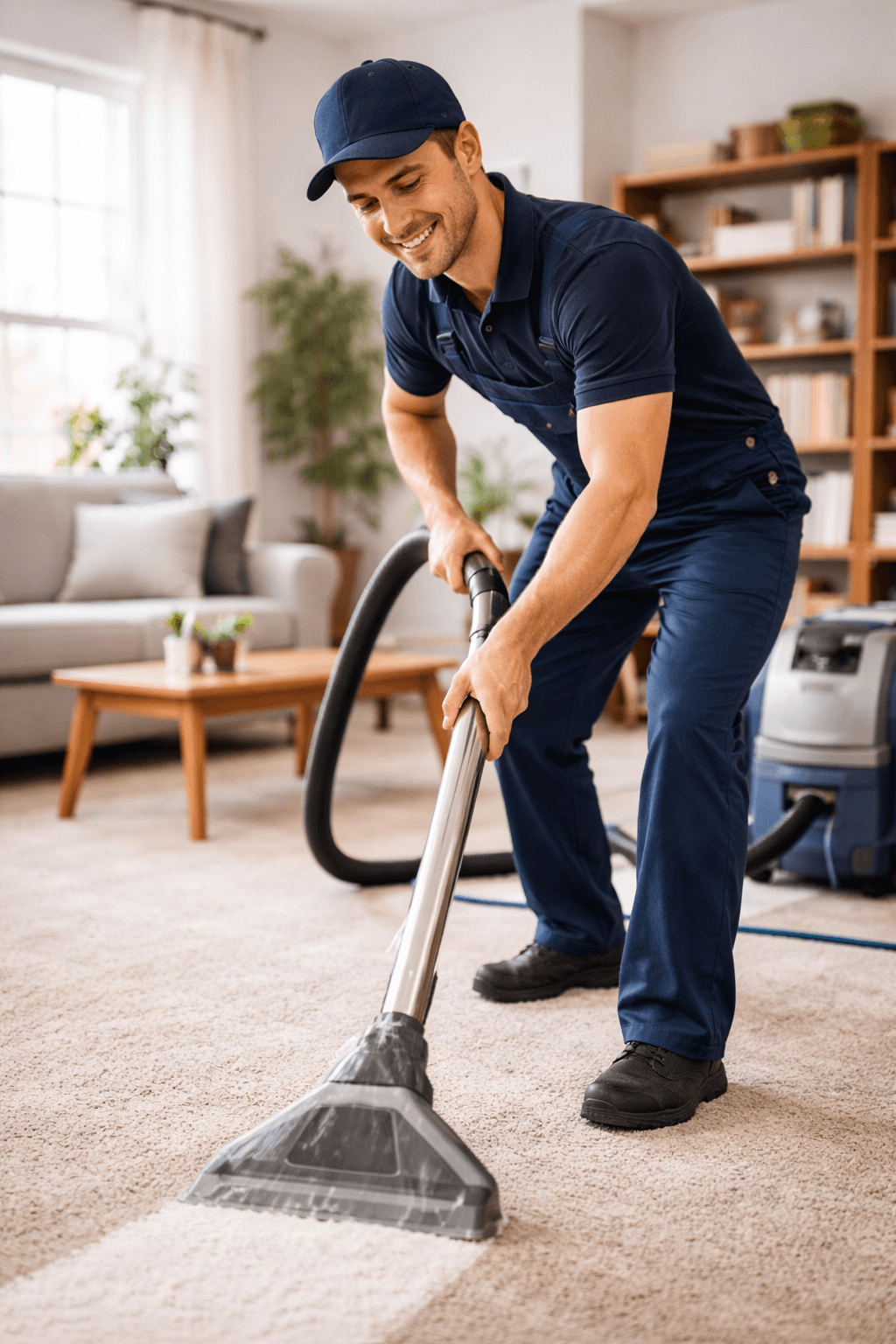
Fast facts to help you grasp core traits quickly.
Startup Cost
A portable setup can start lean. A truck-mount setup raises both cost and output.
Read As
Better equipment usually means faster drying and stronger reviews.
Skill Barrier
The machine is easy to learn. Stain judgment and fiber judgment take longer.
Read As
Customers forgive effort less than they forgive honesty.
Time to First Revenue
Early jobs can come quickly through local SEO, referrals, and move-out work.
Read As
The first bookings are easier than building a repeat base.
Repeat Potential
Pet owners, families, landlords, and offices create the best repeat demand.
Read As
The business gets stronger when reminders and rebooking are built in.
Local Dependency
Route density matters more than broad reach.
Read As
Too much drive time quietly destroys margin.
Scalability
A solo operator can do well. Real scaling usually means trucks, crews, and commercial accounts.
Read As
Commercial work stabilizes the calendar.
Competition
Most markets already have independents, franchises, and discount operators.
Read As
Trust and responsiveness beat generic low pricing.
Operational Intensity
The work is physical, equipment-heavy, and expectation-sensitive.
Read As
A simple service on paper can still be hard on the body.
This section helps show where demand usually comes from and what signals are worth noticing.
Demand Type
Customer Pattern
Service Format
IBISWorld puts the U.S. carpet cleaning industry at $6.9 billion in 2026, with 41,611 businesses. That points to stable demand, but also means most markets already have active competitors. A carpet cleaning business is real and durable, but it is not empty white space.
A big market helps, but route quality still matters more than raw market size.
Grand View Research estimated the global carpet and upholstery cleaning services market at $55.16 billion in 2022 and projected it to reach $83.50 billion by 2030 at 5.3% CAGR. The category keeps benefiting from hygiene awareness and demand to extend the life of flooring and furniture. That helps explain why carpet cleaning services and commercial carpet cleaning services remain believable local offers.
This supports the idea that the service is durable, not trendy.
IICRC describes its standards as internationally recognized and ANSI-accredited guidelines for cleaning and restoration work. That matters because carpet cleaning is not just spraying chemical and hoping for the best. A stronger carpet cleaning business usually looks more like a standards-based service than a generic service cleaning carpet ad.
Professional operators have a real credibility advantage over generic bargain cleaners.
Before you take this idea seriously, check these real-world signals first.
A lot of bad reviews come from bad promises, not bad effort.
Check: Set expectations before you start, especially with pet urine, bleach marks, and old discoloration. A carpet cleaning business gets judged heavily on whether it promises honestly.
A full calendar can still be a weak business if the windshield time is too high.
Check: Map neighborhoods, apartments, and commercial clusters before assuming lead volume equals profit. Commercial carpet cleaning services can help stabilize the schedule, but only if the route makes sense.
Weak suction, weak heat, and long drying times can ruin the customer experience.
Check: Equipment maintenance matters more than branding early on. Carpet cleaner service cost and carpet cleaning services prices also have to line up with what your equipment quality actually supports.
Parts of this idea may look simple at first but become heavy in daily delivery.
If the carpet stays wet too long, the service feels worse than the stain.
Pet urine, dye transfer, bleach damage, and wear patterns do not always come out.
Several small jobs spread too far apart can produce weak hourly economics.
What you may need to spend before this idea becomes real.
Cost Pressure
Low to Moderate
Testability
High
Cost Structure
Equipment + chemicals + vehicle + insurance + marketing + admin
A portable extractor, hoses, chemicals, and a service vehicle are enough to validate the business before stepping into a truck-mount setup. That is one reason the carpet cleaning business remains approachable compared with heavier trade models.
That makes this one of the more approachable service businesses to test.
The hidden startup burden is the time needed to collect reviews, document results, and turn first-time jobs into repeat clients. How to start a carpet cleaning business is partly an equipment question, but it is also a trust-building question.
Cheap equipment alone does not create trust.
Done matters more than perfect in early stage execution.
You need to notice fiber type, traffic lanes, stain type, and odor source before you start cleaning. That judgment is part of what separates a stronger carpet cleaning business from a price-only operator.
Reminder: Good judgment protects both the carpet and the review.
Hoses, stairs, lifting, setup, and long days are built into the job. The carpet cleaning business is easier to enter than many trades, but it is still hard on the body.
Reminder: This is not a light service business.
People often care about carpets because of pets, kids, move-outs, or embarrassment about the mess. That is why the carpet cleaning business is partly emotional service work as well as technical cleaning.
Reminder: You are also reducing stress, not just dirt.
Many ideas do not start at scale; they stabilize first.
Pick a lane such as residential homes, pet-focused cleaning, move-out jobs, or small commercial accounts instead of trying to do everything immediately. A focused carpet cleaning business is easier to market and easier to systemize.
Reminder: A focused offer is easier to market and easier to systemize.
Reminder texts, seasonal follow-ups, and simple rebooking offers can make the business much steadier. This is one of the clearest ways a carpet cleaning business becomes more stable over time.
Reminder: Repeat revenue is usually more valuable than constant new lead chasing.
Upholstery, area rugs, odor treatment, and tile or grout work can raise ticket size without changing the whole model. For some operators, commercial carpet cleaning services become the next serious growth layer after residential traction.
Reminder: Raise value per stop before adding a lot of complexity.
Where AI can assist and where human delivery still matters.
Route planning, quote replies, reminder flows, review requests, neighborhood pages, intake summaries
Stain judgment, surface assessment, equipment handling, customer trust, on-site execution
An admin and growth helper, not the core service
AI can help group jobs by area, draft follow-up messages, summarize customer notes, and support recurring reminder flows. That becomes more useful as the carpet cleaning business grows past a handful of weekly jobs.
Useful for efficiency, but it cannot replace cleaning judgment.
AI can help create neighborhood pages, pet-stain FAQs, move-out cleaning content, and review-response drafts that improve local discoverability. It can also help explain carpet cleaning services prices more clearly across pages and quote responses.
That helps lead flow, but trust still closes the job.
This draft mixes direct-source facts with editorial synthesis. U.S. industry size, business count, global category growth, professional standards, and current pricing ranges are source-backed. Startup-cost ranges, service-mix advice, and some operating logic are stitched from those facts plus common local cleaning-business economics. Search intent here often clusters around carpet cleaning business, commercial carpet cleaning services, carpet cleaner service cost, carpet cleaning services prices, and how to start a carpet cleaning business.
Core Sources
IBISWorld, Grand View Research, IICRC, Angi, Housecall Pro
Data Nature
Direct-source market and standards data plus editorial synthesis for startup and operating assumptions
Supports: U.S. carpet cleaning industry size of $6.9B in 2026.
Key point: IBISWorld says the U.S. carpet cleaning industry is worth about $6.9 billion in 2026.
View source →Supports: 41,611 carpet cleaning businesses in the U.S. in 2026.
Key point: IBISWorld says there are about 41,611 carpet cleaning businesses in the U.S. in 2026, reinforcing how fragmented the market is.
View source →Supports: Global carpet and upholstery cleaning services market estimated at $55.16B in 2022 and projected to reach $83.50B by 2030 at 5.3% CAGR.
Key point: Grand View Research estimates the global carpet and upholstery cleaning services market at about $55.16 billion in 2022 and projects it to reach about $83.50 billion by 2030 at a 5.3% CAGR.
View source →Supports: IICRC standards are internationally recognized and ANSI-accredited guidelines for cleaning and restoration work.
Key point: IICRC publishes ANSI/IICRC standards for professional textile floor-covering and upholstery cleaning, giving the industry a recognized standards framework.
View source →Supports: Single-room and whole-home pricing ranges commonly used in the residential market.
Key point: Angi says carpet cleaning commonly runs about $40 to $180 for a single room and about $200 to $1,350 for a whole house, depending on size and method, which is useful context for carpet cleaner service cost and carpet cleaning services prices.
View source →Supports: Typical carpet cleaning pricing around $25-$75 per room or $0.20-$0.50 per square foot.
Key point: Housecall Pro says carpet cleaning pros typically charge about $25 to $75 per room or $0.20 to $0.50 per square foot, which helps frame carpet cleaning services prices for a small local operator.
View source →Explore nearby directions with different workload and demand shape.
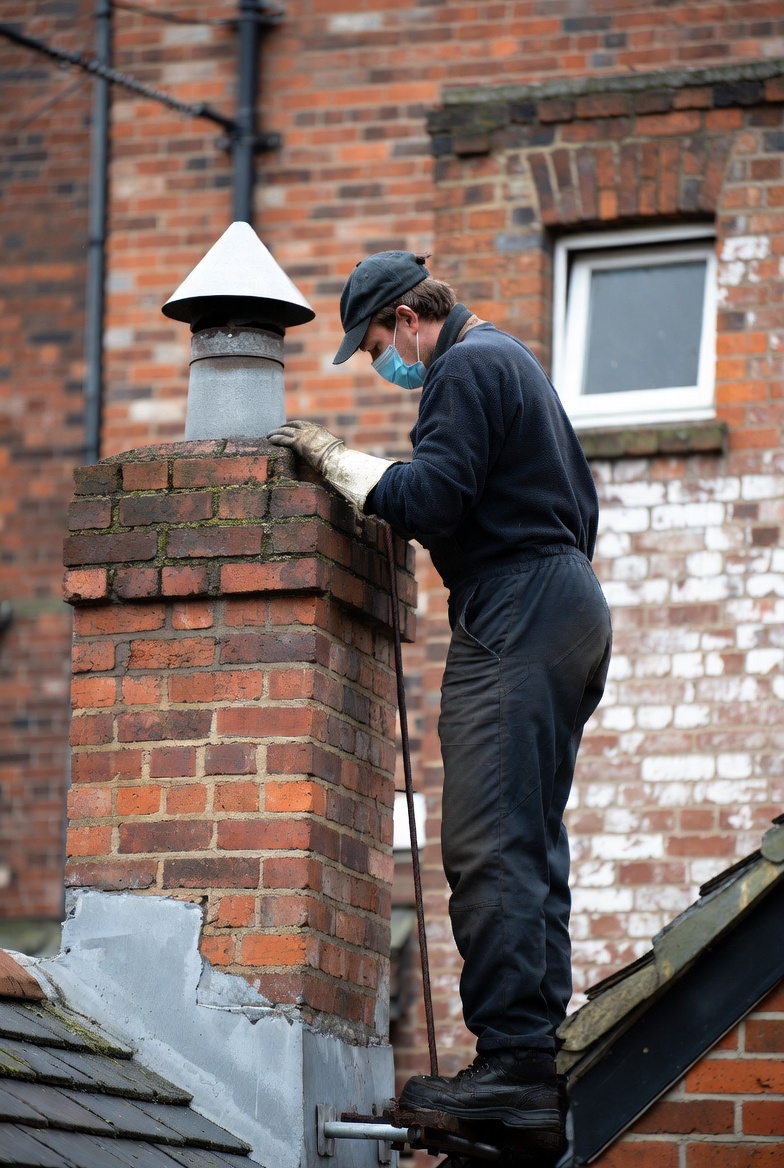
A seasonal home-service business built on safety, inspections, and trusted maintenance for homes with fireplaces, stoves, and venting systems. The real chimney sweep business is not just soot removal - it is becoming the chimney cleaning service homeowners trust when fire safety, draft performance, and annual maintenance all matter at once.
Explore idea →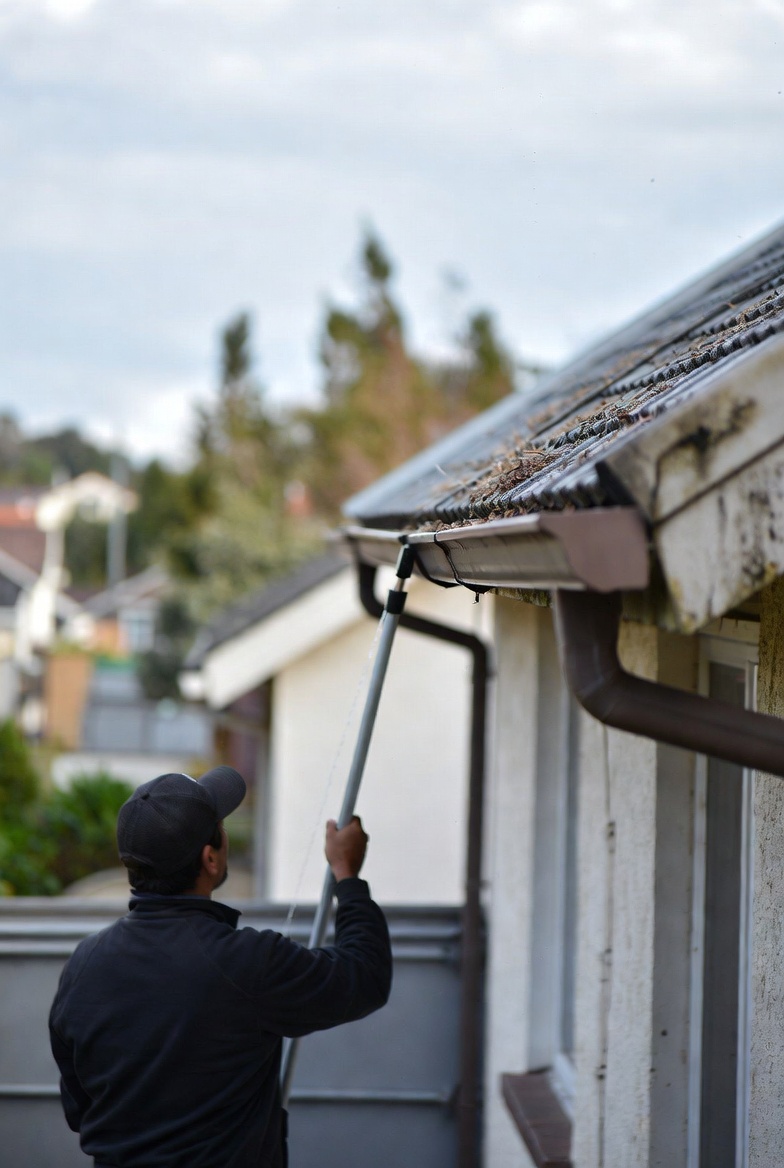
A gutter cleaning business is a local exterior-maintenance service built on recurring home upkeep, ladder-safe execution, gutter repair judgment, and route-based reliability. The stronger operators do more than basic cleanouts: they package gutter cleaning services, downspout cleaning, gutter maintenance, and selective add-ons such as roof washing or house washing when those services fit the market.
Explore idea →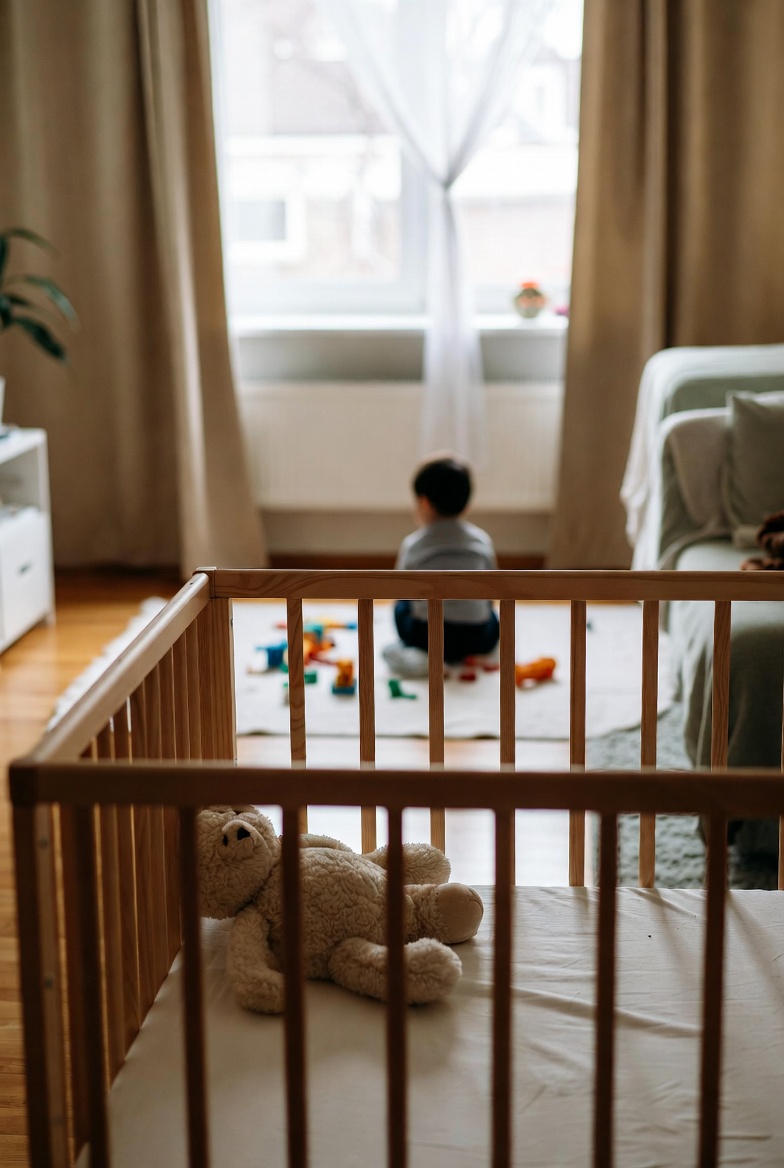
A Home Daycare is a home-based Child Care business built on trust, routine, safety, and steady weekly care for a small group of children. The strongest version usually looks like a licensed home daycare or Family Child Care Home with clear routines, safe child care standards, and dependable parent communication.
Explore idea →You do not need to decide now. Save it, note it, and compare more ideas.