Chimney Sweeper

A seasonal home-service business built on safety, inspections, and trusted maintenance for homes with fireplaces, stoves, and venting systems. The real chimney sweep business is not just soot removal - it is becoming the chimney cleaning service homeowners trust when fire safety, draft performance, and annual maintenance all matter at once.

Home-BasedRepeat DemandCleaningHouseholdExpertise-Led

This page is here to help you see the structure of the business, not make the decision for you. If you are asking how to start a chimney sweep business, the real answer is not only tools and ladders. It is safety credibility, local fireplace demand, and whether you want to run a true chimney cleaning service or a broader inspection-and-repair operation.

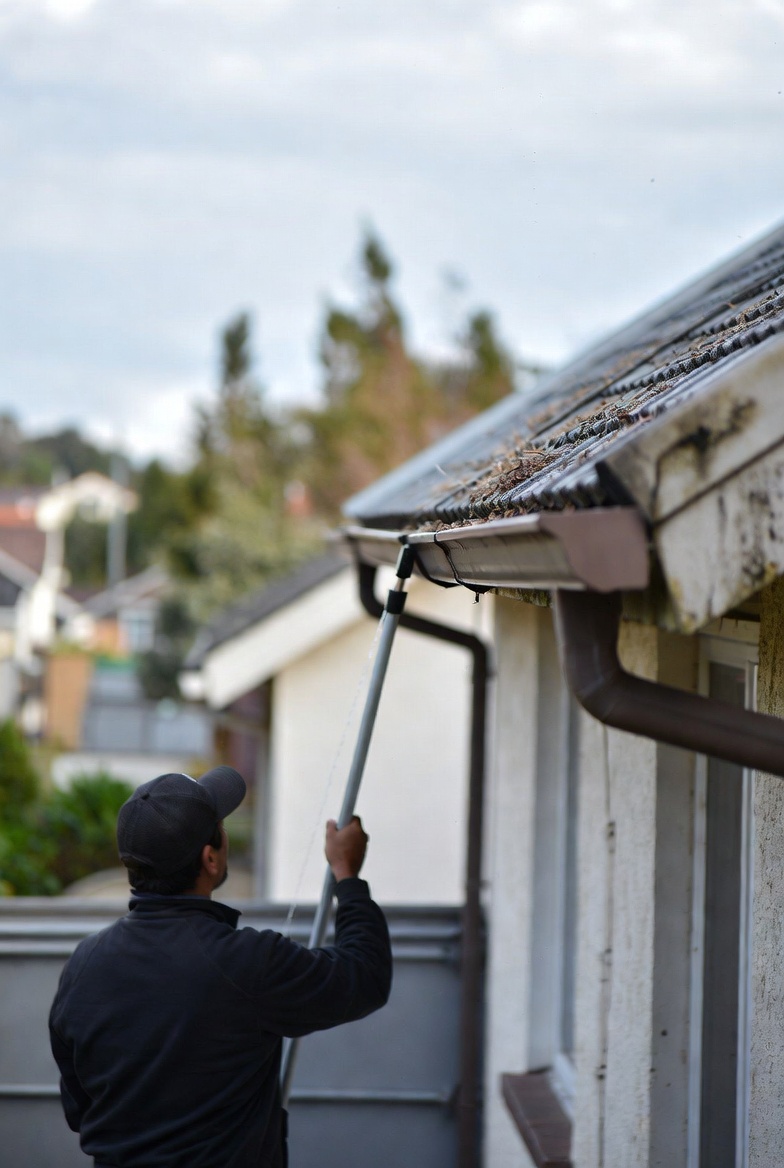
A chimney sweep technician inspecting and cleaning a residential chimney and fireplace system with professional tools

Quick Business Snapshot

Fast facts to help you grasp core traits quickly.

1

Startup Cost

Low to Medium

A lean start is possible with inspection tools, cleaning equipment, a vehicle, and strong local marketing, but costs rise once you add camera systems, ladders, certifications, and repair capability.

Basic sweeping is lighter to start than full chimney repair and rebuild work.

2

Skill Barrier

Medium to High

This is not just soot removal. You need safety awareness, inspection judgment, roof comfort, customer trust, and the ability to spot issues before they become expensive or dangerous.

Clients are paying for safe assessment as much as for cleaning.

3

Time to First Revenue

Moderate

A first job can come fairly quickly in the right season through local search and homeowner demand, but building a steady stream of booked inspections usually takes longer.

The first sweep is easier than building a trusted seasonal pipeline.

4

Repeat Potential

Medium to High

Annual inspections and periodic cleanings create repeat demand, especially in colder regions and in homes that actively use fireplaces or wood-burning appliances.

The strongest version of the business is built on recurring safety work, not one-time emergency calls.

5

Local Dependency

Very High

Climate, fireplace prevalence, housing stock, roof access, and neighborhood density all make this a deeply local business.

A strong technician in a weak fireplace market still faces a weak local business.

6

Scalability

Medium

It can grow through more technicians, inspection systems, and repair add-ons, but field quality and trust become harder to maintain as the team expands.

Growth usually comes through tighter systems and upsell services, not just more appointments.

7

Competition

Medium

Many local markets have small independent operators rather than large dominant brands, but trust, reviews, and certifications matter heavily.

This is often a credibility market more than a price market.

8

Operational Intensity

High

Seasonality, roof work, scheduling, inspection documentation, weather, and customer education all create more operational pressure than the simple service image suggests.

A short service call can still sit on top of meaningful risk and responsibility.

Market & Demand Signals

This section helps show where demand usually comes from and what signals are worth noticing.

Demand Type

Home safety + annual inspection + fireplace and vent maintenance

Customer Pattern

Homeowners with fireplaces, wood stoves, pellet stoves, or chimney-vented heating systems

Service Format

Inspection + sweeping + documentation + minor repairs + safety education

Safety

This business is supported by a real safety habit, not just aesthetic upkeep

CSIA says annual chimney inspections help identify cracks, creosote buildup, and obstructions that can create chimney-fire or carbon-monoxide risk, and it notes that the National Fire Protection Association recommends annual chimney inspection. That gives the chimney sweep business a stronger safety basis than many purely cosmetic home services.

The demand is strongest where homeowners see chimney care as safety maintenance rather than optional cleaning.

Housing Base

The business depends heavily on homes that actually have fireplaces or chimney systems

Census housing data shows fireplaces remain relevant in parts of the U.S. housing stock. For example, 2024 characteristics of new housing show that among detached single-family homes sold in the Northeast, 42% did not have a fireplace, which means a meaningful share still did, and 3% had two fireplaces or more. The chimney sweep opportunity is not driven by all homes. It is driven by the right homes in the right regions.

The business is not driven by the total number of homes. It is driven by the number of relevant homes.

Certification

Trust and credentials matter more here than in many basic cleaning businesses

CSIA positions Certified Chimney Sweep as a gold-standard credential and requires both review training and an exam. That supports the idea that the category rewards visible professionalism and not just low-price labor. A homeowner choosing a chimney cleaning service often cannot judge technical quality directly, so credential signals matter more.

In this market, certification can function as both trust signal and sales tool.

Seasonality

Demand often strengthens with heating season and energy-cost awareness

CSIA has specifically recommended chimney and venting inspections for households relying on alternative heat sources such as wood stoves, pellet stoves, and fireplaces, which means colder regions and pre-winter timing often matter a lot. That is one reason the chimney sweep business often behaves like a seasonal trust service rather than a flat year-round route business.

Seasonal demand helps the business, but it also compresses scheduling into shorter windows.

Quick Reality Check

Before you take this idea seriously, check these real-world signals first.

01

Do you want to be a chimney sweeper, or a broader chimney inspection and repair operator?

Those sound related, but they behave differently in pricing, tools, liability, and customer expectations.

A narrower service lane is easier to start, but broader repair capability often creates better ticket sizes. How to start a chimney sweep business gets clearer once you decide which lane you actually want to own.

02

Can you handle roof work, dirty field conditions, and safety-sensitive judgment at the same time?

This is not a simple indoor cleaning service. Ladder work, roof access, and combustion-related risk all raise the seriousness of the job.

The business rewards people who stay careful under routine pressure. A good chimney sweep is doing more than routine brushing.

03

Do you understand how local the opportunity really is?

A warm-weather market with fewer fireplaces behaves very differently from a colder region with older housing and active wood-burning use.

Look at housing stock, climate, and fireplace prevalence before treating this like a generic home service. A chimney cleaning service in the wrong market can look credible and still stay too small.

04

Can you build trust strongly enough that homeowners let you assess a safety-critical system?

Customers are often not buying because chimneys are dirty. They are buying because they do not want to miss a dangerous problem.

Reviews, certification, photos, and clear explanations matter a lot in closing work. That is how a chimney sweep business earns pricing power.

What People Often Underestimate

Parts of this idea may look simple at first but become heavy in daily delivery.

Seasonal Compression

A large share of the demand can bunch up around colder months

That can make the business look easy during peak season and thin during slower months. A chimney sweep business often feels more abundant in fall than it does in late spring.

Inspection Responsibility

Customers often expect more than a sweep once you are on site

The visit can turn into a safety assessment, documentation job, or repair conversation rather than simple cleaning. That is why a chimney cleaning service often sells judgment as much as labor.

Market Size by Region

Not every region gives the same volume potential

Fireplace prevalence, housing age, and real cold-season use vary enough to change the business significantly.

Startup Cost

What you may need to spend before this idea becomes real.

Cost Pressure

Low to Medium

Testability

Possible to test small

Cost Structure

Tools + ladders + vehicle + camera equipment + insurance + certification

Lean Start

The earliest workable version usually begins with sweeping and basic inspection, not major repairs

A solo operator can start with core cleaning tools, ladders, protective gear, and local service marketing before investing in broader repair capability. The basic kit may include rods, vacuums, cameras, and at least one chimney sweep brush matched to the systems you plan to service.

A smaller starting scope usually lowers both cost and technical risk.

Credential Cost

One of the real startup costs is credibility, not just equipment

CSIA certification requires review training and passing an exam, and the credential functions as a practical trust signal in a safety-oriented business. For someone researching how to start a chimney sweep business, credibility is one of the real startup costs.

In chimney work, legitimacy is part of the product.

Ongoing Cost

The recurring costs often come from vehicle use, safety gear, insurance, and field inefficiency

Travel time, roof access difficulty, camera upgrades, damaged tools, insurance, and weather delays can all shape real profit after launch.

This is still a field-service business even if the job length looks short.

What This Idea Really Asks of You

Done matters more than perfect in early stage execution.

A chimney sweeper business can become a strong local safety service, but it asks you to combine field discipline, trust, inspection judgment, and seasonal planning rather than simply clean fireplaces. A good chimney sweep is really selling reassurance, documentation, and hazard prevention along with the visible cleaning.
1

You need to accept that this is a safety business, not just a cleaning business

Homeowners are trusting you with a system connected to fire, smoke, and carbon-monoxide risk. That makes a chimney sweep business more serious than a generic household cleaning offer.

The visible dirt is only part of what the customer is really paying for.

2

You need to build trust before expecting strong pricing power

Certification, documentation, before-and-after visuals, and clear explanation all matter because most customers cannot judge chimney condition themselves. A chimney cleaning service usually earns trust before it earns easy referrals.

In this business, trust is not decoration. It is part of the sale.

3

You need to stay realistic about seasonality

Peak demand often arrives in compressed windows before or during colder weather, which can strain schedule quality and response time. That is a core operating reality of the chimney sweep business.

Busy season performance matters, but year-round planning still matters too.

4

You need to treat inspection judgment as part of the service itself

A sweep visit often becomes more valuable when the customer understands the safety condition of the whole system, not just whether soot was removed. That is why chimney cleaning service pricing often depends on inspection depth as much as the brushing itself.

A lot of the business value is created in assessment, not in brushing alone.

How This Idea Usually Grows

Many ideas do not start at scale; they stabilize first.

1

Move from first cleaning jobs to recurring annual inspection clients

Early growth usually comes from becoming the trusted annual maintenance provider for a set of local households rather than chasing only one-time seasonal calls. A chimney sweep business gets healthier when annual clients start to outnumber random emergency bookings.

Reminder: Recurring safety work usually comes before healthy scale.

2

Move from simple sweeping to clearer inspection and repair packages

Defined inspection tiers, camera documentation, minor repair offers, and service boundaries make the business easier to explain, price, and upsell. That is often how a simple chimney sweep operation becomes a broader chimney cleaning service with better ticket sizes.

Reminder: The easier the service is to understand and buy, the easier it usually is to grow.

3

Move from founder-only fieldwork to systems and technician quality control

As demand grows, the next layer usually comes from better scheduling, photo documentation, training standards, route density, and stronger service consistency.

Reminder: More appointments without tighter systems usually creates risk, not growth.

AI / Automation Angle

Where AI can assist and where human delivery still matters.

Can Be Assisted

Scheduling, inspection notes, customer education, seasonal reminders, and follow-up

Still Needs Human

Roof work, safety judgment, physical sweeping, repair assessment, and live customer trust

Overall Role

An efficiency layer around field operations and communication

Admin

AI can reduce repetitive reminder and follow-up work

Annual inspection reminders, pre-visit preparation notes, service summaries, and quote follow-ups can be drafted faster through templates. That helps a chimney sweep business stay more consistent during compressed seasonal demand.

It saves admin time, but it does not replace safe field execution.

Communication

Customer education can become clearer and more consistent

Explanations of inspection levels, creosote risk, repair findings, and maintenance recommendations can be standardized more clearly for homeowners. That matters because a chimney cleaning service often has to turn technical findings into understandable homeowner language.

Consistency helps, but trust still depends on what you actually find and document.

Operations

AI becomes more useful once inspections and notes are already structured

Inspection logs, seasonal demand patterns, repeat-customer lists, and photo-based service summaries can be organized more efficiently over time.

The more repeatable the workflow becomes, the more valuable this support gets.

Sources & Verification

This page combines fire-safety standards, chimney industry credentialing guidance, housing-stock context, and editorial judgment. Annual inspection and safety framing mainly draw from NFPA 211 and CSIA; certification context mainly draws from CSIA; housing and fireplace prevalence context mainly draws from the U.S. Census Bureau's Characteristics of New Housing. There is limited public U.S. market-size data specifically for chimney sweeping as a standalone category, so this page leans more heavily on safety-demand logic and housing-stock context than some broader service categories do. Search intent here often clusters around how to start a chimney sweep business, chimney cleaning service, chimney sweep, and basic equipment terms such as chimney sweep brush.

Data Sources

Safety standards + industry credentialing + housing-stock sources

Case Inputs

Home-service operating patterns + chimney inspection observations

Nature of Judgment

Editorial synthesis with limited standalone market-size data

annual inspection standard

NFPA 211

Supports: Annual inspection and safety basis for chimney services

Key point: NFPA 211 includes annual inspection requirements for chimneys, fireplaces, vents, and solid-fuel-burning appliances.

View source →
safety context

Chimney Safety Institute of America

Supports: Why annual chimney inspections matter for fire and carbon-monoxide risk

Key point: CSIA says annual chimney inspections help identify cracks, creosote buildup, and obstructions that can create chimney-fire or carbon-monoxide risk.

View source →
certification context

Chimney Safety Institute of America

Supports: Professional credentialing and trust signal for chimney sweeps

Key point: CSIA describes Certified Chimney Sweep as the gold-standard credential and requires review training plus a passed exam.

View source →
industry positioning

Chimney Safety Institute of America

Supports: Importance of certification as a business differentiator

Key point: CSIA markets certification as a way to stand out from the competition and earn customer trust.

View source →
fireplace prevalence

U.S. Census Bureau

Supports: Housing-stock relevance for chimney-service demand

Key point: Census 2024 characteristics of new housing show that among detached single-family homes sold in the Northeast, 42% did not have a fireplace and 3% had two fireplaces or more.

View source →
housing data access

U.S. Census Bureau

Supports: Availability of current federal data on fireplace presence in new homes

Key point: The Census Characteristics of New Housing program publishes current fireplace data tables for new housing.

View source →
seasonal demand context

CSIA

Supports: Demand link to alternative heating use

Key point: CSIA has specifically recommended chimney and venting inspections for households relying on alternative heat sources such as wood stoves, pellet stoves, and fireplaces.

View source →
The parts of this page covering annual inspection logic, certification value, safety risk, and housing-stock relevance are grounded in public sources. The parts covering route density, seasonal compression, upsell logic, repeat-customer structure, and growth path are editorial conclusions built from how chimney-service businesses operate rather than from a single formal industry report. The overall point is that a chimney sweep business is more credible when it is framed as a safety and inspection service rather than just a dirty cleaning job.
This can be a strong local service in the right market, but it is highly regional. To judge whether it is worth doing, you still need to look at your local fireplace prevalence, climate, housing age, season length, roof-work comfort, and whether you want to stay with sweeping and inspection or move into repair-heavy chimney services.
Keep exploring at your own pace

You do not need to decide now. Save it, note it, and compare more ideas.

Explore more ideas

Share this idea