Tattoo and Piercing Shop

A tattoo and piercing shop is a local body-art business built on sterile execution, artist skill, client trust, and shop reputation. The strongest operators do not win by looking edgy. They win by making clients feel safe enough to commit to permanent work and confident enough to come back or recommend the studio.

Local ServiceLocal ServiceTrust-BasedExpertise-LedRepeat Demand

This page is here to help you see how a tattoo and piercing shop actually works, not make the decision for you. Behind the artwork is a local business built on sterile discipline, consultation judgment, portfolio trust, and a reputation that can take years to earn and one bad incident to damage.

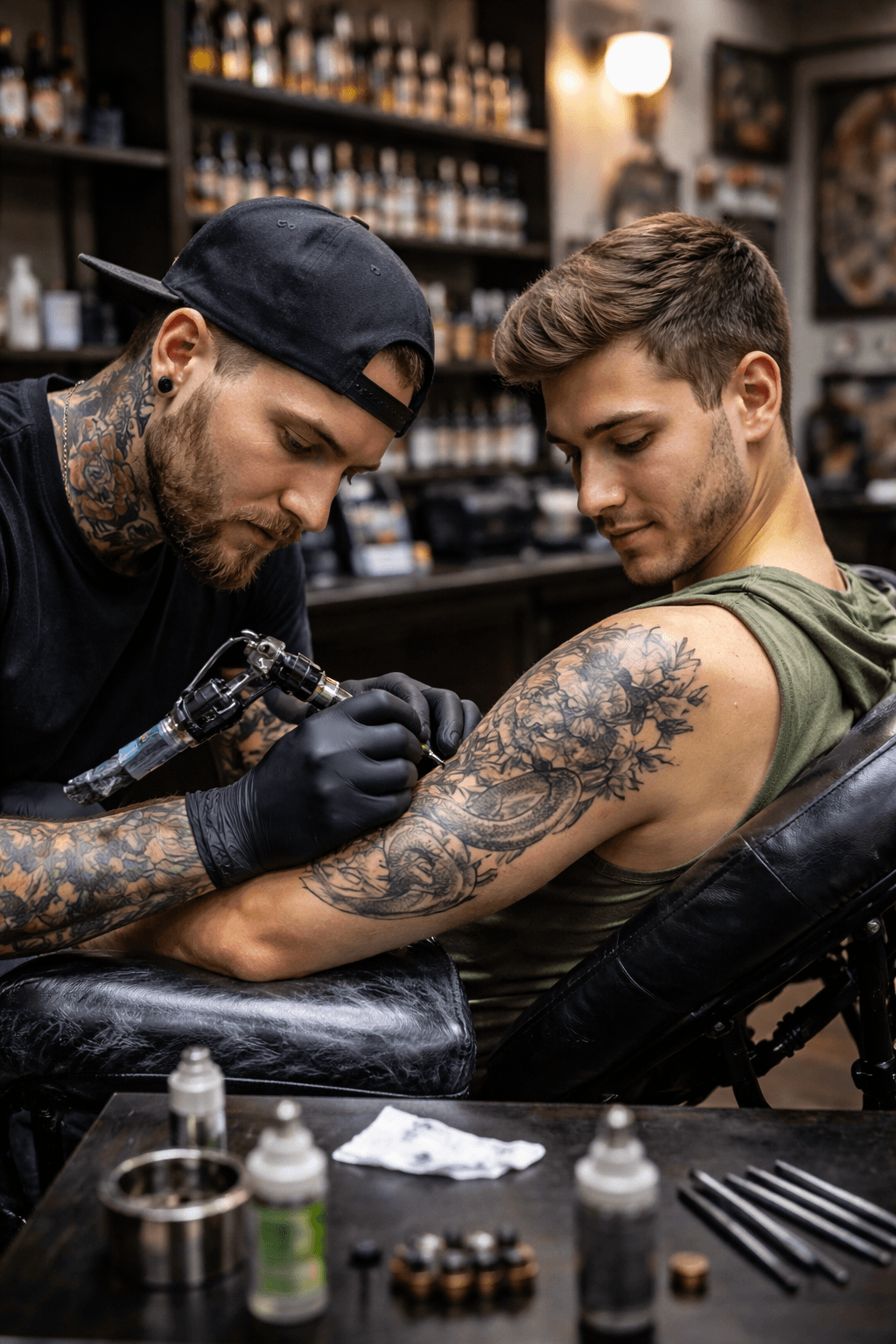
A tattoo artist working on a client's arm inside a clean tattoo and piercing studio

Quick Business Snapshot

Fast facts to help you grasp core traits quickly.

1

Startup Cost

Medium to High

A tattoo and piercing shop needs compliant space, professional equipment, sterilization systems, disposables, signage, and a properly built-out studio. Costs rise fast with location quality, artist stations, jewelry inventory, and permit requirements.

Many artists start by renting a booth inside an existing studio before taking on the full overhead of their own shop.

2

Skill Threshold

Very High

Tattooing and piercing both require technical control, sterile discipline, anatomy awareness, and judgment under pressure. Running a tattoo and piercing shop adds staff oversight, client management, and compliance responsibility on top of the craft itself.

Clients are making permanent or semi-permanent decisions. The margin for error is extremely low.

3

Time to First Revenue

Moderate

An established artist opening a tattoo and piercing shop can bring existing clients from day one, but building steady walk-ins and a full calendar for multiple artists takes much longer.

Existing reputation is the fastest path to early revenue. Starting without one makes the ramp slower.

4

Repeat Potential

Medium to High

Clients who trust the studio often return for additional tattoos, jewelry upgrades, new placements, or referrals. A tattoo and piercing shop does not have automatic recurring demand, but loyalty can still be very valuable over time.

Collectors and piercing regulars can be worth far more than a one-time booking.

5

Local Dependence

High

Most clients choose a tattoo and piercing shop based on proximity, portfolio visibility, local word of mouth, and whether the studio feels clean and credible enough to recommend.

People may travel for an artist they love, but most shops still win locally first.

6

Scalability

Medium

Growth usually comes through more artist stations, guest artists, jewelry retail, and stronger booking systems, not through any single artist working faster.

Each artist has a finite daily capacity. Scaling depends on finding and retaining skilled people.

7

Competition Intensity

High

Most cities already have established studios, private artists, and newer shops competing for the same clients. A tattoo and piercing shop rarely wins by being the only option.

The real gap is often trust, hygiene, style fit, and consistency.

8

Operational Intensity

High

Consultations, setup, sterile handling, consent forms, aftercare, artist scheduling, supply control, and reputation management all sit around the actual tattooing or piercing time.

Clients see the result. They do not see the discipline that protects the business.

Market & Demand Signals

This section helps show where demand usually comes from and what signals are worth noticing.

Demand Type

Body art + self-expression + trusted skilled execution

Customer Pattern

First-time clients, repeat collectors, piercing regulars, and referral-driven local demand

Service Format

Custom tattoos + flash work + body piercing + jewelry changes + aftercare products

Market

This is a real service category, not a fringe side niche

IBISWorld estimates the U.S. tattoo artists industry at about $1.3 billion in 2026, which confirms real commercial demand for professional body-art services. A tattoo and piercing shop is not trying to create an unknown category from scratch.

The better question is not whether demand exists. It is whether your local market has room for one more trusted shop.

Adoption

Tattoo demand sits on top of broad cultural acceptance

Pew Research found that 32% of U.S. adults have at least one tattoo, including 22% who have more than one. That points to a large existing client base rather than a tiny subculture.

A tattoo and piercing shop does not need everyone as a customer. It needs enough nearby clients who already see body art as normal.

Structure

The market is crowded, but it is still highly local and fragmented

IBISWorld reports about 23,774 tattoo-artist businesses in the U.S. in 2025. Competition is real, but most customers still choose based on local trust, artist fit, style preference, and visible reputation.

You usually do not win by simply existing. You win by being the shop people feel safe recommending.

Pricing

Clients pay for skill, healed results, and trust more than the lowest rate

Professional tattoo pricing commonly lands around $100 to $300 or more per hour depending on artist experience, design complexity, and market. That means a tattoo and piercing shop is usually judged by portfolio quality, consultation clarity, and safety standards before price alone.

Serious clients usually compare trust and art quality before they compare a small hourly difference.

Piercing

Piercing adds a faster, lower-ticket service layer beside larger tattoo bookings

Piercing work can create shorter visits, jewelry changes, and follow-up sales that help smooth revenue between bigger tattoo sessions. For many operators, that makes a tattoo and piercing shop more balanced than a tattoo-only studio.

Piercing does not replace tattoo revenue, but it can make cash flow less lumpy.
Quick Reality Check

Before you take this idea seriously, check these real-world signals first.

01

Do you have real technical skill and a visible portfolio that can attract paying clients?

Opening a shop does not create demand for your work. Clients book artists they already trust, not studios they have never heard of.

A strong, consistent, and publicly visible portfolio is usually a prerequisite for building a client base, not something that develops after opening.

02

Can you operate with sterile discipline every single time, not just when it is convenient?

A tattoo and piercing shop gives you very little room for casual shortcuts because blood exposure, healing risk, and visible outcomes are central to the service.

Clean workflow, single-use materials where required, station discipline, and aftercare clarity are part of the core product.

03

Do you understand the licensing, health-code, and inspection requirements in your specific city and state?

Tattooing and piercing regulation varies widely by jurisdiction. Some states require individual licensing, studio permits, bloodborne-pathogen training, and regular inspections.

Confirm every applicable requirement before signing a lease or buying equipment. Non-compliance can lead to closure, fines, and public reputation damage.

04

Can you manage the client relationship side of permanent-work decisions under pressure?

Clients may arrive excited, nervous, impulsive, uncertain, or unrealistic. An unhappy tattoo client is usually louder and more damaging to reputation than an unhappy client in many other service categories.

Clear consultations, realistic expectation-setting, and professional handling of complaints are part of the business, not rare exceptions.

What People Often Underestimate

Parts of this idea may look simple at first but become heavy in daily delivery.

Permanent Stakes

Clients may treat the appointment casually, but the outcome is not casual

A weak consultation, poor placement choice, or rushed execution can create damage that follows both the client and your reputation for a long time.

Sterile Burden

The hygiene standard is part of the job, not a supporting detail

Disposables, sharps handling, setup flow, breakdown, cleaning, and aftercare communication all add labor around the creative work.

Artist Retention

Finding and keeping skilled artists is harder than many first-time owners expect

Talented artists have options. They can work privately, rent elsewhere, or take their following with them. A tattoo and piercing shop that cannot retain good people often loses clients with them.

Reputation Sensitivity

One bad story can hit harder than several good sessions help

In local body-art businesses, referrals, reviews, and word of mouth carry unusual weight because clients are trusting you with visible and personal work.

Startup Cost

What you may need to spend before this idea becomes real.

Cost Pressure

Medium to High

Testability

Possible to test via booth rental before opening independently

Cost Structure

Space buildout + equipment + sterilization + supplies + licensing + insurance + marketing

Lean Start

Renting a booth inside an established studio is a lower-risk way to test independent operation

Booth rental lets an artist build a client base, test pricing, and develop business habits without carrying the full overhead of a lease, buildout, and equipment purchase. For many people, that is the cleanest first version of a tattoo and piercing shop before taking on a full storefront.

Validate your ability to fill a calendar and manage clients before committing to the cost of your own space.

Ongoing Cost

Supply, sterilization, and compliance costs repeat every working week

Needles, cartridges, ink, gloves, barriers, sharps disposal, jewelry inventory, cleaning products, and insurance keep pressing on margin. These are non-negotiable operating costs that belong in pricing from the start.

Cutting corners on supplies or sterilization creates liability exposure that far exceeds any short-term savings.

Space Requirements

A compliant studio often costs more to build out than first-time owners expect

Proper lighting, plumbing access, washable surfaces, ventilation, privacy, waiting-area setup, and station layout all add to buildout cost before any permit is filed. A tattoo and piercing shop usually fails budgeting when the owner prices the aesthetic, not the compliant operating space.

Budget for the space you are legally required to run, not the simplified version you pictured during planning.

What This Idea Really Asks of You

Done matters more than perfect in early stage execution.

A tattoo and piercing shop can become a respected and profitable local business, but it asks you to accept high skill requirements, strict compliance, reputation fragility, and the complexity of managing creative professionals as core parts of the work.
1

You need to accept that trust is the product, not just the art

Clients choosing a tattoo artist or piercer are placing significant trust in both the person and the environment. That trust is built slowly through portfolio quality, cleanliness, and consistent professionalism.

In a tattoo and piercing shop, the way the studio feels often determines whether a client books before they have even studied the portfolio.

2

You need to treat compliance as a non-negotiable operating standard

Health-code violations, failed inspections, or publicized safety incidents can end a studio's reputation far faster than marketing can rebuild it.

Sterilization, documentation, and hygiene protocols are not overhead. They are the foundation of operating in this category.

3

You need systems around artist scheduling, shop policies, and client management

A tattoo and piercing shop that runs entirely on informal arrangements and personal relationships becomes fragile the moment a key person leaves or a dispute appears.

Clear agreements, documented policies, and repeatable processes protect both the business and the artists inside it.

4

You need to think about how the shop makes money when you are not the one working

A business where all revenue depends on the owner's direct output has a hard ceiling and a single point of failure.

Building toward a model where other artists or piercers contribute to revenue is what separates a practice from a real business.

How This Idea Usually Grows

Many ideas do not start at scale; they stabilize first.

1

Move from first clients to trusted local referrals

Early growth usually comes from healed results, word of mouth, and becoming a reliable local option for a specific kind of client or style. A tattoo and piercing shop grows faster when people recommend it without hesitation.

Reminder: Trust usually comes before scale.

2

Move from mixed bookings to clearer service lanes

Defined tattoo styles, piercing boundaries, consultation standards, booking policies, and pricing structure make the studio easier to trust and easier to recommend.

Reminder: The easier the shop is to understand, the easier it is to grow.

3

Move from artist-driven chaos to real shop systems

Once demand is steadier, growth usually comes from stronger scheduling, front-desk handling, healed-photo follow-up, additional artists or piercers, guest spots, and consistent aftercare communication.

Reminder: More appointments without better systems usually creates stress, not growth.

AI / Automation Angle

Where AI can assist and where human delivery still matters.

Can Be Assisted

Scheduling, FAQs, consultation prep, and follow-up

Still Needs Human

Design judgment, anatomy, placement, sterile execution, and client trust

Overall Role

An efficiency layer around the shop

Admin

AI can reduce repetitive booking and admin work

Inquiry replies, consultation summaries, appointment reminders, deposit explanations, and standard aftercare messages can be handled more consistently through templates and automation.

It saves front-desk time, but it does not replace skill or judgment.

Communication

Basic client communication can become more consistent

Preparation instructions, healing reminders, jewelry-care notes, and policy explanations can be organized more clearly. That helps a tattoo and piercing shop lower friction without sounding robotic.

Consistency reduces friction, but clients still judge whether the studio feels genuinely trustworthy.

Operations

AI can help organize repeated shop patterns

Client notes, consultation records, healed-photo follow-ups, artist schedules, and FAQ patterns can be summarized and reused more efficiently.

The more inquiries and appointments the shop handles, the more useful this support becomes.

Sources & Verification

This page combines public industry data, tattoo adoption research, body-art safety guidance, workplace infection-control context, and editorial judgment. U.S. market-size and business-count context mainly draw from IBISWorld's tattoo-artist industry data; tattoo adoption context mainly draws from Pew Research Center; tattoo safety context mainly draws from the FDA; bloodborne-pathogen obligations mainly draw from OSHA; piercing-studio hygiene and sterile-practice framing mainly draw from the Association of Professional Piercers; pricing context mainly draws from Thumbtack; general licensing context mainly draws from the SBA. Public U.S. market-size data is stronger for tattoo studios than for piercing-only shops, so the hard industry signals on this page lean more heavily toward the tattoo side while the safety framework covers both tattooing and piercing.

Data Sources

Public industry data + safety and regulatory guidance

Case Inputs

Local service pattern observations + body-art operating logic

Nature of Judgment

Editorial synthesis, not a single-source quotation

industry size

IBISWorld

Supports: U.S. tattoo-artist industry size

Key point: The U.S. tattoo artists industry is about $1.3 billion in 2026.

View source →
business count

IBISWorld

Supports: U.S. market structure and competition context

Key point: There were about 23,774 tattoo-artist businesses in the U.S. in 2025.

View source →
tattoo adoption

Pew Research Center

Supports: Tattoo adoption and normalization in the U.S.

Key point: Pew found that 32% of U.S. adults have a tattoo, including 22% who have more than one.

View source →
pricing context

Thumbtack

Supports: Tattoo pricing context

Key point: Professional tattoo pricing commonly ranges from about $100 to $300 or more per hour depending on artist experience, complexity, and market.

View source →
tattoo safety

FDA

Supports: Tattoo ink safety and infection-risk context

Key point: The FDA notes that even unopened and sealed tattoo inks can harbor bacteria and other microorganisms that can cause infections.

View source →
bloodborne pathogen context

OSHA

Supports: Workplace infection-control obligations for tattooing and piercing

Key point: OSHA states that because tattooing and piercing generate blood, workers in this industry fall under the scope of the Bloodborne Pathogens Standard.

View source →
piercing safety context

Association of Professional Piercers

Supports: Piercing-studio hygiene and sterile-practice standards

Key point: APP states that piercing studios should be sanitary, controlled environments, and that tools, needles, and jewelry must be sterile, with needles being single-use.

View source →
licensing context

SBA

Supports: General U.S. small-business licensing and permit framing

Key point: The SBA notes that most small businesses need a combination of licenses and permits from both federal and state agencies.

View source →
The parts of this page covering U.S. tattoo industry size, business-count context, tattoo adoption, pricing context, and body-art safety framing are grounded in public sources. The parts covering repeat behavior, trust dynamics, consultation difficulty, reputation sensitivity, style positioning, and growth structure are editorial conclusions built from those sources rather than direct single-source claims.
Local demand varies a lot by age mix, neighborhood density, tourism, walk-in traffic, studio reputation, and how many artists already serve your area. To judge whether this business is worth pursuing, you still need to look at your local competition, licensing environment, service niche, and your own ability to operate with disciplined hygiene and judgment.

Keep exploring at your own pace

You do not need to decide now. Save it, note it, and compare more ideas.

Explore more ideas

Share this idea