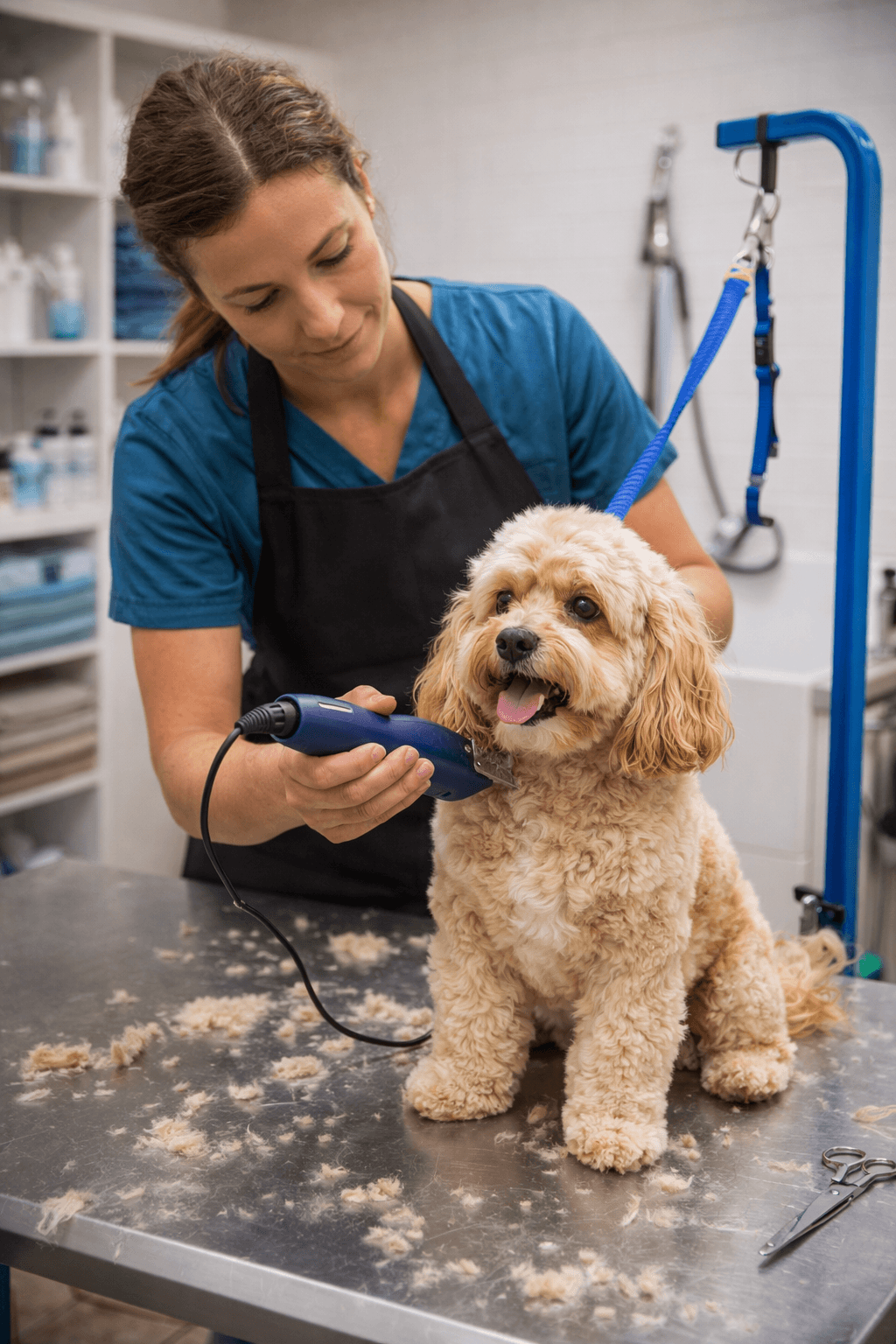
Dog Treat Business

A dog treat business can start with small-batch gourmet dog treats or natural dog treats, but the real business is built on ingredient trust, repeatable production, compliant labeling, and enough reorder behavior to support a low-ticket consumable product.

PetPetTrust-BasedRepeat Demand

This page is here to help you see the structure of the business, not make the decision for you.

Handmade Dog Treats,Gourmet Dog Treats,Natural Dog Treats

Quick Business Snapshot

Fast facts to help you grasp core traits quickly.

1

Startup Cost

Medium

A dog treat business can test small, but real costs show up in compliant labels, recipe analysis, licensing, packaging, kitchen standards, and enough working capital to survive low-ticket unit economics.

The handmade version feels light. The real dog treat business is heavier once it becomes a repeatable food product.

2

Skill Barrier

Medium to High

This is not just baking. You need safe ingredient judgment, repeatable production, packaging discipline, and enough consistency to earn trust from pet owners.

Customers are buying trust as much as treats.

3

Time to First Revenue

Fast to Moderate

A first sale can happen fairly quickly through local markets, pet communities, or a simple online shop, but building repeat demand and stable operations takes longer.

The first buyer is easier than the second order.

4

Repeat Potential

High

Treats are consumable, and dogs that like a product often come back through their owners. Repeat purchase becomes realistic when quality, freshness, and flavor acceptance stay consistent.

Reorder behavior matters more than launch excitement.

5

Local Dependency

Medium

This can start locally through markets and boutiques, but ecommerce can reduce local dependence if compliance, packaging, and shipping are strong enough.

It scales more easily than a local service, but food rules still matter.

6

Scalability

Medium

It can grow through subscriptions, wholesale, ecommerce, or broader product lines, but scaling pushes it from craft product into serious food operations.

Growth increases consistency and regulatory pressure.

7

Competition

High

You compete with mass pet-food brands, premium natural brands, boutiques, and many small makers telling a similar story around quality and ingredients.

A nice package is not enough. Buyers need a reason to come back.

8

Operational Intensity

High

Ingredient sourcing, batch consistency, labeling, packaging, spoilage risk, and fulfillment all matter more than the simple product appearance suggests.

Small-batch food products usually look easier from the outside than they are.

Market & Demand Signals

This section helps show where demand usually comes from and what signals are worth noticing.

Demand Type

Pet wellness + premium consumption + repeat treat purchasing

Customer Pattern

Dog owners seeking cleaner ingredients, premium positioning, gifting, training treats, and wellness-led purchases

Service Format

Small-batch treats + markets + ecommerce + pet boutiques + subscriptions

Pet Spending

A dog treat business sits inside a very large pet food and treats category

APPA says U.S. pet food and treats spending reached about $65.8 billion in 2024 and is projected at about $67.8 billion in 2025. That does not make every dog treat business easy to win in, but it does confirm that treat buying is part of a large and resilient category rather than a fringe craft idea.

The category is real. The harder question is whether your dog treat business earns repeat space in the customer's routine.

Premium Trend

Premium buying behavior helps gourmet dog treats and natural dog treats make sense

APPA's 2025 Dog & Cat Report coverage says premium pet food purchases rebounded in 2024, with 41% of dog owners choosing higher-quality diets. That helps explain why a dog treat business built around gourmet dog treats or natural dog treats can feel commercially believable, especially when the ingredient story is clear and the treats feel safe enough to trust.

Premium intent helps, but it does not replace proof, consistency, and a reason to reorder.

Treat Niche

Natural dog treats are a real segment, not just a branding angle

Grand View Research estimated the global natural dog treats market at about $6.99 billion in 2024, with North America holding the largest share. That is a strong signal that a dog treat business built around cleaner ingredients is not inventing demand from nothing, but it also means many buyers already have strong alternatives.

Growth is there, but a dog treat business still has to explain why this product deserves repeat purchase.

Regulation

A dog treat business is a pet-food business, not just a handmade product business

FDA and AAFCO startup guidance make clear that pet treats sold at markets, in stores, or online are treated as commercial animal food and may require registration, compliant labeling, and adherence to federal, state, and local rules. This is where many first-time founders discover that a dog treat business is more regulated than it first appears.

The product may feel handmade, but the compliance expectations are still real.

Quick Reality Check

Before you take this idea seriously, check these real-world signals first.

01

Is this dog treat business being built as a hobby product or as a real pet-food business?

Those are not the same thing. A hobby can tolerate inconsistency. A sellable dog treat business cannot.

The moment you sell dog treats, you are dealing with safety, labeling, and trust, not just craft presentation.

02

Can your dog treat business make the product consistently enough for repeat demand?

Dogs may love a treat once, but inconsistency in texture, freshness, breakage, or ingredient quality weakens reorders quickly.

A small-batch dog treat business still needs process discipline if it wants real repeat purchase.

03

Do you understand the regulatory burden before trying to scale this dog treat business online?

Selling at one small market and shipping across multiple states are not the same operationally.

Confirm labeling, registration, kitchen requirements, and the rules of every state where you plan to sell.

04

Can this dog treat business create enough product trust to stand out in a crowded premium market?

Natural, handmade, and wholesome are common claims. They do not automatically create a durable edge.

You need a clear reason for the product to be chosen again, not just tried once.

What People Often Underestimate

Parts of this idea may look simple at first but become heavy in daily delivery.

Compliance Weight

A dog treat business picks up real food-regulation weight very quickly

The treats may look handcrafted, but labeling, registration, ingredient safety, and production standards become more serious the moment the product is sold.

Shelf-Life Risk

Natural dog treats can create more stability risk than new founders expect

Shorter shelf life, moisture sensitivity, packaging problems, and shipping conditions can quietly create waste or customer dissatisfaction inside a dog treat business.

Low Ticket Economics

A dog treat business can feel premium while still fighting low-ticket economics

Small-business operators talking publicly about pet-treat brands often point out that testing, registration, shipping, and retailer margins hit harder when the average order value is still modest.

Brand Crowding

Premium positioning is attractive, but it is also crowded

A clean ingredient list and nice packaging help, but many brands are already telling a similar story around natural dog treats and better-for-you pet snacks.

Startup Cost

What you may need to spend before this idea becomes real.

Cost Pressure

Medium

Testability

Possible to test small

Cost Structure

Ingredients + kitchen + packaging + labels + testing + compliance + fulfillment

Lean Start

A dog treat business can test small, but only up to a point

A limited recipe range, simple packaging, and local feedback channels can reduce early complexity compared with trying to launch a full pet-treat brand immediately. That keeps the first version of a dog treat business manageable, but it does not remove the cost of doing the category properly.

A narrow start usually makes product learning cheaper, not fully cheap.

Compliance Cost

One of the real startup costs is not ingredients, but legitimacy

Label work, recipe analysis, product registration, kitchen standards, ingredient sourcing, production documentation, and insurance can matter more than beginners expect. This is one reason a dog treat business often lands closer to medium startup cost than to a light craft side hustle.

The food itself is only part of what makes the dog treat business real.

Ongoing Cost

Recurring costs usually come from consistency, packaging, and distribution friction

Ingredient spoilage, packaging materials, test batches, shipping damage, retailer margins, and rework all shape profit more than the recipe alone. A dog treat business can look margin-rich from a single bag price, then feel much tighter once fulfillment and wholesale realities are included.

A small food product can still become a logistics business surprisingly fast.

What This Idea Really Asks of You

Done matters more than perfect in early stage execution.

A dog treat business can become a strong niche pet brand, but it asks you to combine trust, consistency, compliance, and product discipline rather than simply make appealing treats.
1

You need to accept that this is a food business first

Even if the brand story feels handmade and personal, customers are still buying something their dog will ingest. A dog treat business lives or dies on whether that trust feels deserved.

In pet treats, trust is not an add-on. It is the product.

2

You need to build repeatability before chasing scale

One good recipe or a nice market response does not automatically turn into a stable dog treat business. You need repeatable batches, predictable packaging, and enough reorder behavior to justify the next step.

Reorder behavior matters more than launch excitement.

3

You need a sharper position than just 'natural' or 'handmade'

Those cues help, but they are now common in premium pet categories and usually need a stronger supporting reason to win. That is especially true if the dog treat business is framed around gourmet dog treats or natural dog treats.

A crowded premium space rewards clarity more than vague quality claims.

4

You need to treat operations as part of brand quality

Freshness, labeling, shipping protection, and batch consistency all affect whether the product feels premium in real life. A dog treat business that ships poorly or labels loosely damages the brand faster than it realizes.

A good brand promise can still fail through weak execution.

How This Idea Usually Grows

Many ideas do not start at scale; they stabilize first.

1

Move from first buyers to repeat purchasing

Early growth usually comes from proving that dogs accept the treats and owners reorder, not from trying to make the dog treat business look like a big brand immediately.

Reminder: Repeat buying usually comes before healthy scale.

2

Move from broad product ideas to a tighter product and channel strategy

Training treats, gifting, functional positioning, subscriptions, and boutique wholesale all sound related, but they do not behave like the same dog treat business. A narrower lane usually makes branding, pricing, and operations easier.

Reminder: A clearer lane usually makes branding, pricing, and operations easier.

3

Move from handmade hustle to controlled production systems

As demand grows, the next level usually comes from stronger SOPs, better batch control, packaging standards, compliance discipline, and more deliberate channel expansion. This is the point where a dog treat business stops feeling handmade and starts behaving like a real packaged-food operation.

Reminder: More orders without better systems usually creates inconsistency, not growth.

AI / Automation Angle

Where AI can assist and where human delivery still matters.

Can Be Assisted

Product descriptions, label drafts, inventory notes, customer messaging, and content planning

Still Needs Human

Recipe design, ingredient judgment, production control, compliance decisions, and brand trust

Overall Role

An efficiency layer around product operations and communication

Admin

AI can reduce repetitive packaging and communication work

Product descriptions, FAQ drafts, customer follow-up, and simple wholesale outreach can be created faster through structured templates. That can help a dog treat business stay more consistent in low-value but repeated admin work.

It saves time, but it does not replace safe product decisions.

Brand

AI can help keep the brand story and content more consistent

Website copy, social captions, educational posts, and seasonal launch messaging can be produced more efficiently for a small team or solo founder. That is useful when the dog treat business needs regular communication but cannot hire full creative support.

Consistency helps, but trust still depends on the product itself.

Operations

AI becomes more useful once recipes and production are already stable

Batch notes, reorder planning, customer feedback summaries, and product-variation tracking can be organized more clearly over time. In a dog treat business, that kind of support matters more after the core recipe and compliance process are already under control.

The more repeatable the production becomes, the more valuable this support gets.

Sources & Verification

This page combines pet-industry spending data, premium pet-food trend signals, natural dog treats market research, pet-food startup guidance, and editorial judgment. U.S. pet food and treats spending mainly draws from APPA; premium pet-food trend context mainly draws from APPA's 2025 Dog & Cat Report coverage; natural dog treats market growth mainly draws from Grand View Research; pet-treat regulatory and startup guidance mainly draw from FDA and AAFCO. I also used one operator discussion thread as anecdotal context for how a dog treat business feels in practice once testing, registration, kitchen rules, and low-ticket margins show up.

Data Sources

Pet industry data + market research + food-regulation sources

Case Inputs

Small-batch product patterns + premium pet-brand operating observations + operator discussion

Nature of Judgment

Editorial synthesis, not a single-source quotation

pet food treats spending

American Pet Products Association

Supports: U.S. pet food and treats category size

Key point: U.S. pet food and treats spending reached about $65.8 billion in 2024 and is projected at about $67.8 billion in 2025.

View source →
premium pet food trend

American Pet Products Association

Supports: Premium and higher-quality purchasing behavior among dog owners

Key point: APPA's 2025 Dog & Cat Report coverage says 41% of dog owners chose premium food in 2024.

View source →
natural dog treats market

Grand View Research

Supports: Growth signal for natural dog treats as a dedicated category

Key point: The global natural dog treats market was estimated at about $6.99 billion in 2024, with North America holding the largest share.

View source →
pet treat regulation

FDA

Supports: Federal regulatory reality for selling pet treats

Key point: FDA says all animal foods must be safe, produced under sanitary conditions, contain no harmful substances, and be truthfully labeled.

View source →
startup guidance

FDA

Supports: Startup compliance framework for animal food businesses

Key point: FDA says animal food businesses may need registration, licensing, food-safety compliance, safe ingredients, and compliant labeling depending on the business model.

View source →
startup guidance

AAFCO

Supports: State-level registration and labeling expectations for pet food startups

Key point: AAFCO startup guidance says pet food sold at farmers markets, in stores, or online is considered commercial feed and many states require registration or licensing.

View source →
operator discussion

Reddit - r/smallbusiness

Supports: Anecdotal founder-level friction around testing, registrations, and unit economics in a dog treat business

Key point: Small-business operators discussing pet-treat brands describe annual testing, state registration, and low-ticket margins as the reasons this category often feels heavier than beginners expect.

View source →
The parts of this page covering U.S. pet food and treats spending, premium pet-food purchasing trends, natural dog treats market growth, and pet-treat regulatory requirements are grounded in public sources. The Reddit discussion is not used as authoritative regulation or market data; it is used only as operator context for how a dog treat business feels once testing, registration, packaging, and low-ticket economics are included.
This can become a real niche brand, but a dog treat business stops being a light handmade idea once compliance, consistency, and distribution become serious. To judge whether it is worth doing, look at product differentiation, reorder behavior, kitchen and labeling requirements, and whether you want a local craft brand or a broader packaged-pet-food business.
Keep exploring at your own pace

You do not need to decide now. Save it, note it, and compare more ideas.

Explore more ideas

Share this idea