Dog Walking Services

A hyperlocal pet-care service built on trust, repeat weekday demand, and route efficiency. It may look simple from the outside, but the real business is in reliability, density, and keeping travel time from eating the margin. A dependable dog walker is usually selling consistency and peace of mind more than the walk itself.

PetPetTrust-BasedRepeat Demand

This page helps you see the real structure of dog walking services: not just walking dogs, but running a tight local route business built on trust, timing, repeat bookings, and the kind of judgment that turns a solo dog walker into a real neighborhood operator.

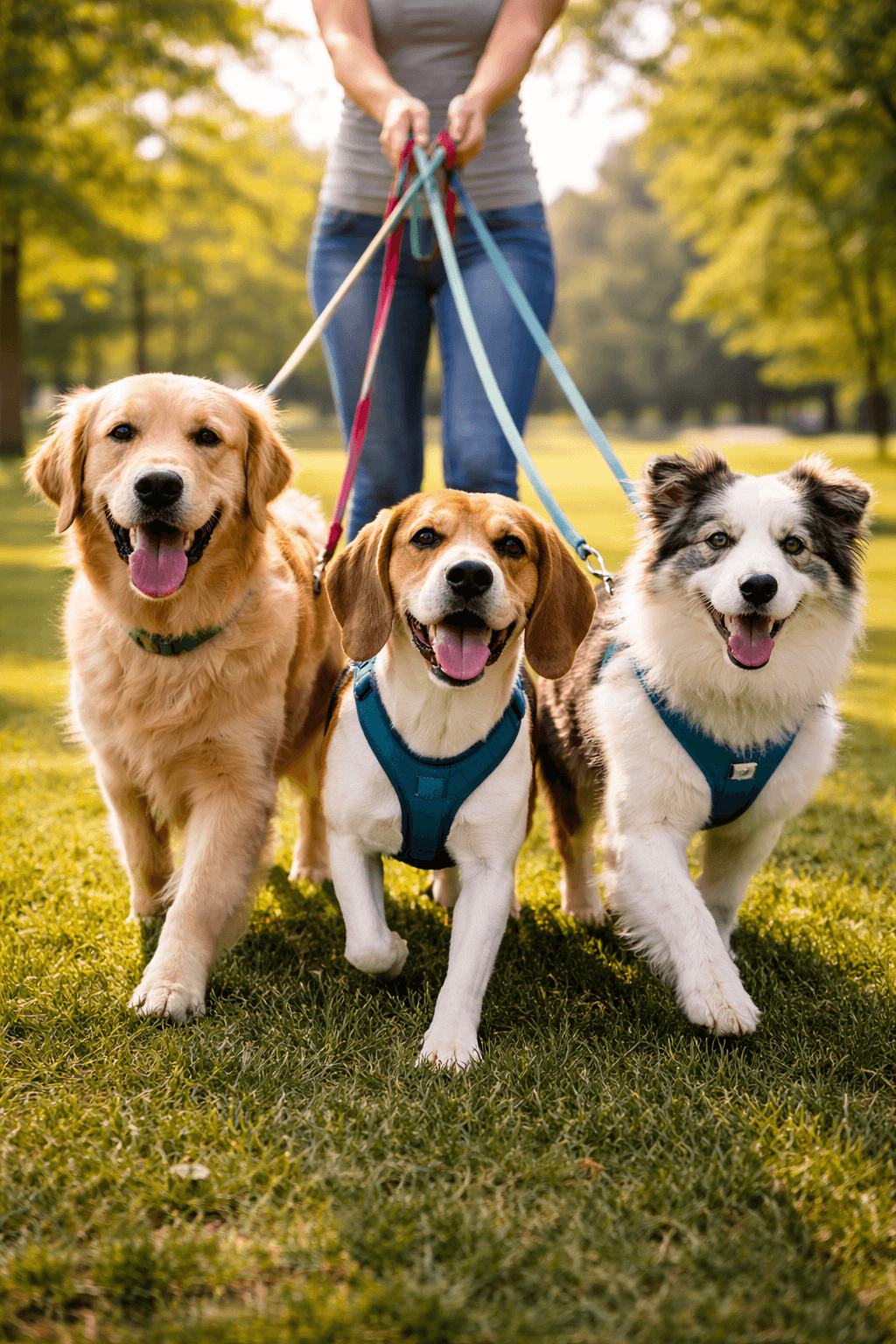
A professional dog walker leading several dogs through a clean urban neighborhood on a weekday

Quick Business Snapshot

Fast facts to help you grasp core traits quickly.

1

Startup Cost

Low

A lean solo operator can usually start with insurance, basic gear, simple software, and local marketing rather than heavy upfront investment.

The bigger risk is not equipment. It is weak pricing while your route is still too sparse.

2

Skill Barrier

Medium

The work looks straightforward, but safe dog handling, behavior judgment, time management, and client communication all matter.

In dog walking services, trust is a commercial skill.

3

Time to First Revenue

Fast

This is one of the few service businesses where first income can arrive quickly through local referrals, neighborhood groups, or marketplaces.

Getting the first booking is easier than building an efficient recurring route.

4

Repeat Potential

High

Regular weekday walks create strong repeat behavior, especially among busy professionals and dual-income households.

A small book of recurring clients is usually more valuable than a larger pile of scattered one-offs.

5

Local Dependency

Very high

This is an intensely local business. Revenue depends on neighborhood density, travel time, parking, building access, and how tightly jobs can be grouped.

Dog walking services scale block by block, not city by city.

6

Scalability

Medium

A solo walker reaches a ceiling quickly. Growth usually comes from hiring, tightening service zones, or adding adjacent pet-care services.

The first real scaling step is operational, not geographic.

7

Competition

High

Entry barriers are low, apps make comparison easy, and local reputation matters more than polished branding at the start.

You are competing with apps, side-hustlers, and local neighborhood favorites at the same time.

8

Operational Intensity

Medium to high

The work is physical, weather-exposed, and schedule-sensitive. Delays, cancellations, aggressive dogs, and access mistakes all affect trust quickly.

This is a logistics business with leashes attached.

Market & Demand Signals

This section helps show where demand usually comes from and what signals are worth noticing.

Demand Type

Routine convenience + workday coverage

Customer Pattern

Urban dog owners, busy professionals, dual-income households, and frequent travelers

Service Mode

Recurring weekday walks, ad hoc walks, and bundled pet-care visits

Pet ownership base

The customer pool is large enough to support real local businesses

In the U.S., APPA projected USD 157 billion in pet industry spending for 2025, with 94 million households owning at least one pet and 68 million households owning a dog.

That does not mean every owner buys walks, but it does confirm the top of the funnel is not small.

Industry size

This is not a tiny side category

IBISWorld places U.S. dog walking services industry revenue at about USD 1.3 billion in 2025, which is enough to treat it as a real local-service market rather than a hobby niche.

The market is real. The harder question is whether your specific neighborhood economics work.

Pricing reality

There is already a visible market price band

Rover cited a U.S. average of USD 21.45 for a 30-minute walk in March 2026, while Time To Pet cited a 2024 U.S. average of USD 29.50 for 30 minutes and a common range of USD 24 to USD 34. In plain terms, that gives you a usable frame for dog walking rates before adjusting for city, route density, and service quality.

The headline price is only useful when you compare it against travel time and schedule density.

Pet-care depth

Dog walking benefits from a broader pet-care economy, not from demand in isolation

The business sits inside a larger pet-care spending environment where owners already pay for food, grooming, vet care, boarding, and other outsourced services. That matters because a professional dog walker is not introducing people to outsourced pet care from zero.

That makes dog walking easier to understand as a paid service, but not automatically easy to win.

Local pattern

The strongest version of the business is recurring and dense, not random and wide

The healthiest route books usually come from midday weekday clients clustered in one tight zone, not from one-off bookings spread across too much geography.

This is editorial synthesis based on local service economics and operator reality.
Quick Reality Check

Before you take this idea seriously, check these real-world signals first.

01

Can you make the route dense enough to avoid dead travel time?

A day can look full on paper and still perform badly if too much of it is spent driving, parking, waiting for elevators, or crossing neighborhoods.

Measure earnings per hour including travel, not just walk time. A route that looks full can still underperform if the dog walker spends too much time moving between low-density bookings.

02

Are you pricing for a real business, or just for doing the walk?

Dog walker insurance, taxes, admin, cancellations, and unpaid transit all sit inside the real number.

Set a floor price that still works after travel, no-shows, and operating overhead.

03

Would a cautious stranger trust you with their dog and their home?

Owners are not only buying a walk. They are handing over routine, access, and peace of mind.

Look at your profile, site, and messages and ask whether they signal safety and reliability immediately. That question matters whether you are chasing private clients directly or responding to dog walking jobs on a marketplace.

04

Do you have a backup plan for illness, injury, or emergencies?

A solo route business can become fragile very quickly if the operator cannot work for even a few days.

Build backup coverage, written policies, or at least a realistic emergency plan before you need one.

What People Often Underestimate

Parts of this idea may look simple at first but become heavy in daily delivery.

Travel friction

The hidden tax of local service work

Parking, building access, short travel gaps, and client handoff messages quietly reduce margin. This is why route density matters so much, even when the calendar looks busy.

Weather exposure

The revenue is physically demanding to protect

Rain, snow, heat, and seasonal daylight all affect punctuality, stamina, and risk. In this business, the operator's body is still part of the machine.

Trust and liability

One bad incident can damage more than this week's income

Leash accidents, dog fights, lost keys, and poor communication can trigger refunds, reviews, and long-term reputation damage.

Platform price pressure

Visible marketplace pricing can shape client expectations

Apps make it easier for owners to compare prices quickly, which means local operators need a clearer reason to charge more than a generic listing. That also means dog walking jobs and dog walker jobs listed on platforms can shape how new entrants think about price, sometimes unrealistically.

Startup Cost

What you may need to spend before this idea becomes real.

Cost Pressure

Low to moderate

Testability

Very high

Cost Structure

Insurance + marketing/leads + transport + software + basic gear

Lean launch

This can be tested without a heavy burn rate

Unlike inventory businesses, a small dog walking service can begin with dog walker insurance, simple safety gear, local lead generation, and a reliable transport setup.

The key is to start small enough that repeat demand proves the route before costs expand.

Insurance and compliance

The foundation is simple, but it is not optional

Liability coverage, dog walker insurance, basic agreements, and a professional setup are part of the product, because clients are trusting you with animals, keys, and routine access.

Safety and trust systems are part of what clients are really paying for.

Software and operations

Software becomes more useful as soon as the route gets busy

Scheduling, billing, reminders, GPS logging, and client updates are manageable by hand at very small scale, but quickly become part of the operational bottleneck as recurring clients grow.

A small organized business often looks more trustworthy than a slightly larger disorganized one.

What This Idea Really Asks of You

Done matters more than perfect in early stage execution.

Running dog walking services well is less about loving dogs and more about consistency, judgment, and neighborhood-level execution. Anyone asking how to become a dog walker should think beyond liking dogs and toward route economics, trust, and repeatability.
1

You need calm operational discipline

Clients notice lateness, weak updates, messy scheduling, and forgotten instructions very quickly.

Reliability is usually the real brand before branding exists.

2

You need real dog-handling judgment

Reading leash behavior, stress signals, reactivity, and energy mismatches matters more than looking confident. That is one of the first serious differences between a casual dog lover and a reliable dog walker.

Confidence without judgment is dangerous in pet care.

3

You need tolerance for repetition

A good route book is built on repeated time slots, repeated routes, and repeated communication done well. That is also why many dog walking vacancies look simple from the outside but feel repetitive in practice.

This is a repetition business that compounds through habit.

4

You need to think like a local operator, not a broad online brand

The strongest dog walking businesses often win one small geography very well before they try to look bigger. That matters more than looking busy across too many neighborhoods or chasing every listing for dogs for walks.

Density beats reach in a business like this.

How This Idea Usually Grows

Many ideas do not start at scale; they stabilize first.

1

Own one tight service zone first

Start with one apartment cluster, one suburb pocket, or one walkable neighborhood and fill it before expanding outward. That is a better way to start than treating dog walking jobs, dog walker jobs, or scattered dog walking vacancies as the business model itself.

Reminder: A tight map is usually more profitable than a wide one.

2

Push clients into recurring weekday slots

The healthiest version of the business is not random one-offs. It is a predictable calendar of recurring midday walks, where dog walking rates make sense because the route is efficient.

Reminder: Recurring bookings turn a hustle into a route.

3

Expand through adjacent trust-based services

After walking demand stabilizes, add drop-ins, pet sitting, medication visits, puppy check-ins, or light transport.

Reminder: The second sale is usually easier than the first because trust is already there.

AI / Automation Angle

Where AI can assist and where human delivery still matters.

Can Be Assisted

route planning, reminder automation, communication drafts, review follow-ups, and demand forecasting by day or time

Still Needs Human

dog handling, emergency judgment, neighborhood trust, and service recovery

Overall Role

an efficiency layer around the business, not the core service itself

Operations

AI can help improve route and slot efficiency

Grouping clients by geography, preferred walk windows, and service duration can reduce dead time between jobs.

In dog walking services, saving 10 to 15 minutes of wasted time can matter more than adding another weak lead.

Marketing

AI can help a small local business stay more consistent online

Neighborhood pages, service FAQs, weather-policy drafts, and review-response drafts can be produced faster and updated more regularly.

That helps a small operator look organized without needing to sound corporate.

Retention

AI can help notice booking-pattern changes earlier

If a recurring client suddenly books less often, that can be an early warning sign of churn or schedule change.

Catching a shift early is often easier than replacing the client later.

Sources & Notes

This page combines public pet-industry data, platform pricing references, and dog-walking industry reporting. Some operator-side business judgments are editorial synthesis rather than single-source facts. Search intent around this category often includes dog walker, how to become a dog walker, dog walker insurance, dog walking jobs, dog walker jobs, dog walking vacancies, dogs for walks, and dog walking rates.

Core Sources

APPA + IBISWorld + Rover + Time To Pet + industry/operator materials

Best Use

pet ownership context, pricing reality, local-service economics, and route-driven operating logic

Main Reminder

A real market does not automatically mean an efficient local business.

pet ownership and spending

APPA 2025 State of the Industry Report

Supports: U.S. pet industry spending and the scale of pet-owning households

Key point: APPA says total U.S. pet industry expenditures reached about $152 billion in 2024, with 94 million U.S. households owning at least one pet.

View source →
dog ownership

APPA 2025 Dog & Cat Report release

Supports: 68 million U.S. households owning a dog

Key point: APPA says about 68 million U.S. households own a dog, equal to roughly 51% of U.S. households.

View source →
industry size

IBISWorld Dog Walking Services in the US, 2025

Supports: U.S. dog walking services industry revenue and market context

Key point: IBISWorld projects U.S. dog walking services industry revenue at about $1.3 billion in 2025, with roughly 35,349 businesses in the market.

View source →
pricing

Rover Dog Walking Rates National

Supports: U.S. average dog walker rate reference

Key point: Rover frames dog walking prices as varying meaningfully by location, with higher rates in expensive urban markets and lower rates in more rural areas.

View source →
pricing

Time To Pet Dog Walking Rate Calculator

Supports: U.S. average price reference and common range for 30-minute walks

Key point: Time To Pet says 30-minute dog walks typically cost about $24 to $34, with a U.S. average of about $29.50.

View source →
operator context

Pet Sitters International

Supports: professional pet-care business context and industry expectations

Key point: Pet Sitters International says demand for professional pet sitters continues to grow, and 70% of members in its 2024 survey expected revenue to increase that year.

View source →
Statements such as 'route density matters more than vanity revenue,' 'dog walking services scale block by block,' 'the strongest version of the business is recurring and dense,' and 'trust is a commercial skill' are editorial synthesis. They are grounded in local service economics, platform pricing visibility, and operator reality, but they are not copied from a single study.
If you are evaluating a small dog walking business, the most useful questions are not just about market size. They are about whether your route can stay dense, whether your price still works after travel and no-shows, whether clients are recurring, and whether your local trust signals are strong enough to win without racing to the bottom. For someone asking how to become a dog walker, those operational questions usually matter more than the first marketplace listing.

Keep exploring at your own pace

You do not need to decide now. Save it, note it, and compare more ideas.

Explore more ideas

Share this idea