Startup Cost
Medium
A serious launch usually means a capable camera setup, editing software, insurance, a website, and enough presentation quality to justify professional pricing.
The gear gets you in. The finished product is what gets you paid.
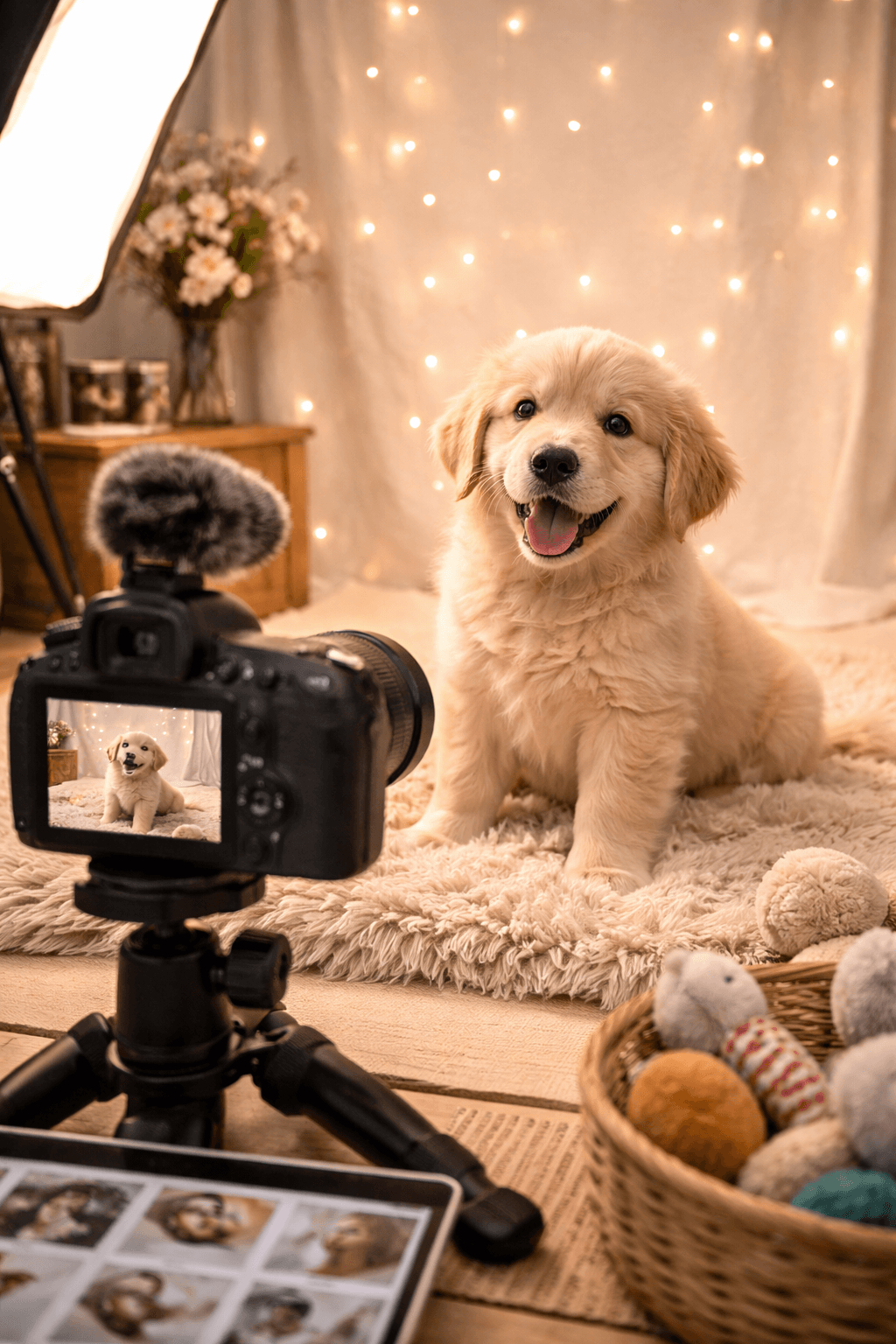
A pet photography business is a premium local creative service built on emotion, timing, and the ability to turn one session into artwork, pet portraits, referrals, and repeat trust. People may come looking for a pet photographer or dog photographer because they want cute photos, but the real business is in preserving attachment and selling something worth keeping.
This page helps you see the real structure of a pet photography business: not just taking pictures of animals, but building a premium local service around emotion, presentation, finished products, and the real work of becoming a trusted pet photographer in one local market.

Fast facts to help you grasp core traits quickly.
Startup Cost
A serious launch usually means a capable camera setup, editing software, insurance, a website, and enough presentation quality to justify professional pricing.
The gear gets you in. The finished product is what gets you paid.
Skill Barrier
You need portrait skill, animal patience, session control, and the ability to deliver images that feel emotionally stronger than what an owner could capture alone.
This is part photography, part timing, and part behavior reading.
Time to First Revenue
Mini sessions, seasonal offers, and local pet-business partnerships can bring in early bookings, but premium full sessions usually take longer to earn trust for.
Holiday minis are often the easiest first offer.
Repeat Potential
This is not a subscription business, but repeat demand exists through milestones, holiday shoots, memorial sessions, multi-pet households, and referrals.
The repeat engine is usually the relationship, not the session format itself.
Local Dependency
Most pet photography businesses still rely heavily on local visibility, local reputation, and a practical travel radius. Even strong social media usually converts locally first.
A strong local niche often beats a broad online audience with weak booking intent.
Scalability
A solo photographer hits a time ceiling quickly. Growth usually comes through pricing, product sales, commercial work, assistants, or tighter systems rather than raw session volume.
This usually scales better through average order value than through volume alone.
Competition
The niche is real, but clients compare you against general photographers, low-fee hobbyists, and their own phone camera habits.
Your competition is often not another pet photographer. It is the owner's camera roll.
Operational Intensity
The shoot itself is only part of the work. Preparation, calming the animal, culling, retouching, gallery delivery, print sales, and communication add up quickly.
Editing time often decides whether the business feels elegant or exhausting.
This section helps show where demand usually comes from and what signals are worth noticing.
Demand Type
Customer Pattern
Service Mode
The broader pet economy remains strong. APPA projected USD 157 billion in U.S. pet industry spending for 2025 and said 94 million U.S. households own at least one pet. FEDIAF reported 299 million pets across 139 million European households, and Animal Medicines Australia reported 31.6 million pets across 73% of Australian households in 2025.
Pet photography does not need all of that market. It only needs a small premium slice of it.
IBISWorld sizes the U.S. pet photography services industry at about USD 140.5 million in 2024, with 2,643 businesses in 2024 and 2,695 in 2025. It also describes the field as highly fragmented, which fits the reality that a pet photography business, dog photography business, or cat photography business usually wins locally rather than nationally.
That usually means room for local operators, but not a giant effortless market.
Thumbtack says the national average cost to hire a pet photographer in the U.S. runs around USD 115 to USD 200 per hour, with many customers paying around USD 150 per hour. Bark shows an average pet photographer price of about GBP 135 in the UK. That spread supports the idea that pet portraits can be sold either as simple sessions or as more premium finished work.
The spread between low-fee sessions and premium product-led work is where positioning matters.
People rarely book pet photography because they need images in a functional sense. They book because the pet feels like family, time feels limited, and a well-made portrait feels more permanent than everyday phone photos.
This is editorial synthesis based on the surrounding pet-care spending environment and how the service is actually bought.
Pet imagery performs well on social media, but most conversion still happens when a local owner decides they trust the photographer enough to spend money and show up for a session. That is why a pet photographer, dog photographer, or cat photographer still behaves more like a local service business than an audience-first creator business.
That is why local credibility usually matters more than broad online attention.
Before you take this idea seriously, check these real-world signals first.
A business built only on session fees often stays busy but thin. Stronger models usually include prints, albums, framed pieces, themed packages, or seasonal products.
Ask whether the client is buying a memory product or just a date on your calendar.
Good pet photography is rarely about a perfectly obedient animal. It is about drawing out personality without creating stress or chaos.
If your workflow only works on calm dogs in ideal conditions, the business is still fragile. A real animal photographer needs to handle unpredictability without losing the shot or the client.
People love their pets, but not every market supports premium creative spending equally. This is a wants-based service, not an essential one.
Study whether local buyers already spend on grooming, daycare, premium food, birthdays, or other pet-lifestyle extras.
Pet photography gets likes easily. It gets paid bookings less easily.
Look at whether your best images are tied to a clear offer, local proof, and an obvious next step to book. A pet photography business becomes stronger when the portfolio clearly signals pet portraits, dog photographer work, or cat photographer sessions to the right buyer.
Parts of this idea may look simple at first but become heavy in daily delivery.
A lively pet session can quickly turn into hours of culling, retouching, cleanup, export, and gallery prep. This is where many new photographers lose margin.
Owners already take endless pictures of their pets. The business only wins when it produces something a phone usually does not: stronger light, stronger composition, stronger storytelling, and a finished product worth displaying. That is why premium pet portraits need to feel clearly different from everyday snapshots.
Many people love pet portraits in theory, but hesitate when they have to choose a date, coordinate the pet, and pay for finished work.
Without product sales, commercial work, or stronger pricing, a photographer can become busy without becoming meaningfully secure.
What you may need to spend before this idea becomes real.
Cost Pressure
Moderate
Testability
Medium to high
Cost Structure
Gear + software + marketing + travel or props + insurance
Pet photography can start lean, but once you want clients to pay meaningful prices, lens quality, editing consistency, color control, sample products, and brand presentation begin to shape perceived value very quickly. That matters because many buyers comparing a pet photographer or dog photographer are really comparing trust, taste, and finished quality.
This framing is editorial synthesis based on common operator economics, not a single universal benchmark.
Many small pet photographers eventually discover that the session itself is not the strongest revenue unit. Packages, wall art, seasonal sets, gift vouchers, and product-led upsells often shape profitability more than the shoot alone.
In pet photography, average order value often matters more than session count.
A polished gallery, clear ordering flow, and thoughtful delivery experience can make the work feel more premium and more shareable.
The post-session experience affects whether the client refers, shares, or books again.
Done matters more than perfect in early stage execution.
Animals blink, move, shake, wander, or ignore your plan. You need to stay calm, adapt quickly, and keep the owner from feeling awkward.
Your energy affects both the pet and the client.
Strong pet photography is not just cute. It has light, texture, expression, and emotional weight. That is what separates a working pet photographer from someone who just likes animals and cameras.
Cute gets attention. Strong portraiture gets paid.
Many photographers are comfortable shooting but uncomfortable selling. In this niche, product confidence matters because emotional buyers often need help imagining prints, frames, or albums in their home.
If you hide from the sales side, the business usually stays smaller than the talent.
A beautiful but inactive portfolio does less business work than a consistently visible local portfolio with clear offers and recognizable style.
Visibility is not the whole business, but weak visibility can cap a good one.
Many ideas do not start at scale; they stabilize first.
Rather than launching as a generic pet photographer, begin with one stronger entry point such as outdoor dog portraits, cat portraits at home, senior pet sessions, or seasonal holiday minis. Specific offers make a pet photography business easier to remember and easier to refer.
Reminder: Specific work is easier to remember and easier to refer.
Groomers, trainers, breeders, rescues, pet boutiques, and veterinary-adjacent businesses often become better lead channels than broad cold advertising.
Reminder: The local pet ecosystem usually converts warmer than a generic audience.
Holiday sets, birthdays, gotcha days, puppy milestones, memorial portraits, and giftable packages create more reasons to book now instead of later.
Reminder: Occasions create urgency more naturally than generic portrait offers.
Where AI can assist and where human delivery still matters.
image culling, first-pass retouching, gallery tagging, mockups, inquiry replies, local SEO copy, and seasonal campaign planning
animal handling, emotional timing, client rapport, art direction, and final creative judgment
a workflow multiplier, not the artistic core
Culling near-duplicates, preparing proofs, and handling first-pass cleanup can move faster with AI-assisted tools.
That matters because post-production often takes longer than new photographers expect.
Landing-page copy, local service descriptions, seasonal campaign drafts, FAQ pages, and referral emails can all be created more consistently. That is useful when a pet photographer needs clearer positioning around dog photographer work, cat photographer offers, or premium pet portraits.
Useful for consistency, but it still needs a human voice to avoid sounding generic.
Mockups, basic wall previews, and organized product explanations can help clients imagine finished work more easily.
That matters because many emotional buyers need help visualizing the final outcome.
This profile combines official pet-population data, industry analysis, and visible market pricing references relevant to a pet photography business, pet photographer positioning, and adjacent pet-service demand. Some operator-side business judgments are editorial synthesis rather than single-source facts.
Core Sources
APPA + FEDIAF + Animal Medicines Australia + IBISWorld + Thumbtack + Bark
Best Use
pet ownership and spending context, niche-market size, visible pricing anchors, and premium local service economics for pet portraits
Main Reminder
The niche clearly exists, but it is not a giant easy market.
Supports: U.S. pet spending and U.S. pet-owning household scale
Key point: APPA says U.S. pet industry expenditures reached about $152 billion in 2024, with 94 million U.S. households owning at least one pet.
View source →Supports: European pet and household depth
Key point: FEDIAF says 139 million European households, or 49%, own at least one pet, with Europe home to roughly 299 million pets.
View source →Supports: Australian household and pet scale
Key point: Animal Medicines Australia says Australia had 31.6 million pets in 2025, with pets living in 73% of households.
View source →Supports: U.S. pet photography niche size and fragmentation
Key point: IBISWorld treats pet photography as a distinct U.S. niche service category, supporting the view that it is a real but highly fragmented micro-market.
View source →Supports: market-facing U.S. session pricing context
Key point: Thumbtack shows that U.S. pet photography pricing varies meaningfully by photographer, session length, and deliverables, giving a live benchmark for consumer-facing session rates.
View source →Supports: market-facing UK pricing context
Key point: Bark provides current UK pet photography marketplace listings, useful for showing that session pricing varies by region, shoot format, and photographer experience.
View source →Supports: UK pet-owning household depth as supporting context
Key point: UK Pet Food says more than half of UK households own a pet, supporting the idea that the UK is a mature pet market with meaningful demand depth for pet-related discretionary services.
View source →You do not need to decide now. Save it, note it, and compare more ideas.